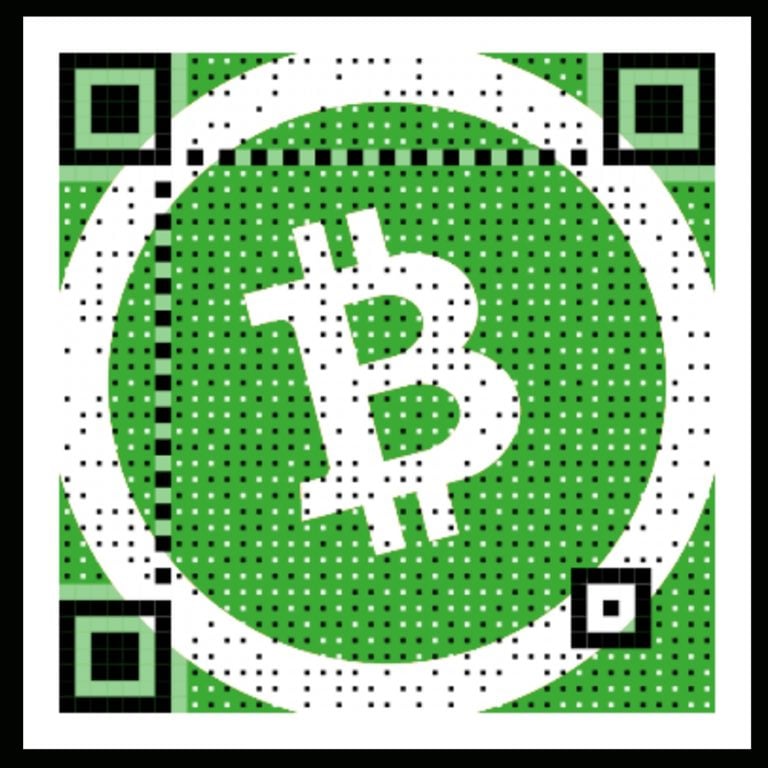
There’s a new bitcoin cash wallet under construction called Qart, a light client that provides the ability to create human-recognizable QR codes using any image. The wallet is currently available for Android devices in its beta phase, but users can experiment with the application before the official launch.
Also read:
Qart Personalizes QR Codes for bitcoin Cash
 Kim Jinyrul is a developer from South Korea who recently published the beta version of a new bitcoin cash (BCH) wallet that offers the ability to modify address QR codes. Jinyrul thinks that QR code technology used in traditional cryptocurrency wallets needs to change so they become more recognizable and personal to the owner. was created to offer this feature to bitcoin cash users and the platform’s addresses can be tied to a customized QR code with a picture of anything the user desires. In a recent with the blogger Jared Schlar, the Qart wallet developer explained that the idea was conceived so people can recognize which wallet is theirs by identifying the pictures attached to them.
“As you know, a person can not see any information by just looking at a QR code. I thought it would be more interesting and meaningful to share QR if it could show the personality of the owner,” detailed in his interview with Schlar.
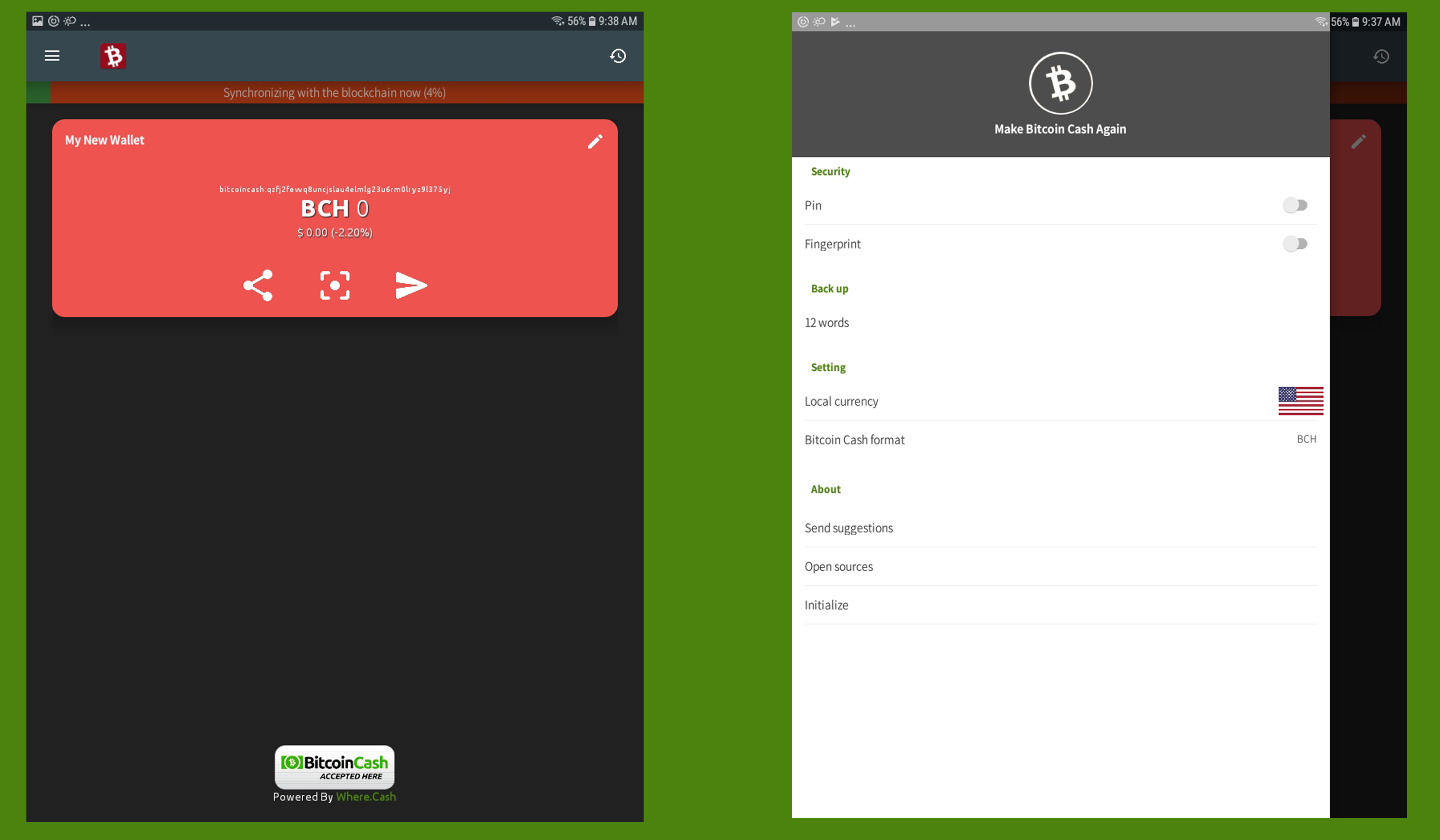 The main account and settings section on Qart wallet.
Experimenting With Qart’s Beta Software
 After reading about the Qart wallet, news.bitcoin.com decided to test the BCH client and made a few custom and recognizable QR codes. The wallet is currently available on the Google Play store for Android mobile devices and tablets, but the Google store warns the app is “unreleased.” This means the platform is still in its beta phase, but can still be downloaded and tested. After opening the platform, the user must agree to a disclaimer. The statement explains the wallet needs to be backed up as it is a non-custodial client and also details the app is still in its nascent stages.
The wallet then creates a BCH wallet, which takes about 30 seconds, and the user is granted access to the first account. Like many other wallets out there, the Qart client syncs with the bitcoin Cash chain in order to identify transactions. This process took about eight minutes to complete and subsequently less time after the first connection. The Qart wallet is very simple looking and akin to other BCH wallets like the and platforms.
After backing up the seed phrase and observing the main account, there is a little editor pencil on the top right-hand side of the screen. This pencil tab allows you to create a custom QR code for any address on the wallet and many different addresses can be generated. At first, the wallet supplies the address with a generic bitcoin cash QR code, which can also be tethered to the wallet’s addresses. If the user wants to upload a custom image, they simply press the editor pencil and upload a fresh picture. The Qart wallet needs permission to access device files and the camera in order to execute this process.
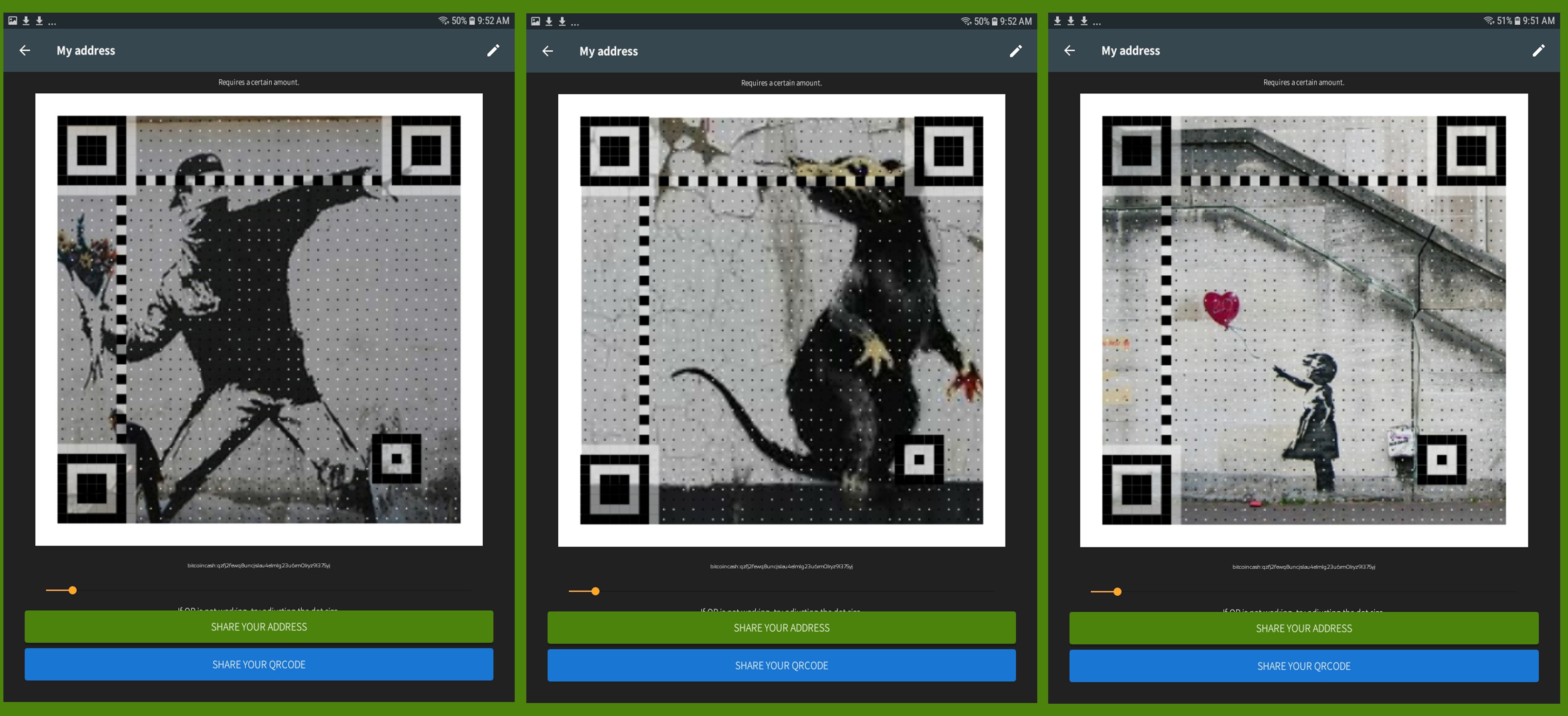 Experimenting with Qart’s beta wallet and creating a few customized QR codes.
BCH Developers Are Using Handles and Recognizable QR Codes to Entice the Masses
Pictures can be cropped and the amount of QR code pixels can be chosen as well for a variety of different looks. After saving the custom QR codes, the user can share them online through the wallet or save the image for another use case. After making a few Banksy-esque QR codes, the images were tested with the and the codes scanned without error.
There’s been a lot of innovation in this regard, with BCH wallets using unique ways to make the software more friendly to mainstream users. Many of these concepts are using handles or names tied to a wallet’s protocol instead of using long alphanumeric addresses. Human recognizable QR codes definitely add a personal touch and provide a unique way of identifying BCH addresses.
What do you think about the Qart wallet? Let us know what you think about this subject in the comments section below.
Disclaimer: bitcoin.com does not endorse this product/service. This application is in beta and not the official launch. Review editorials are intended for informational purposes only. Readers should do their own due diligence before taking any actions related to the mentioned company or any of its affiliates or services. bitcoin.com or the author is not responsible, directly or indirectly, for any damage or loss caused or alleged to be caused by or in connection with the use of or reliance on any content, goods or services mentioned in this article.
Images via , , and Jamie Redman.
Verify and track bitcoin cash transactions on our , the best of its kind anywhere in the world. Also, keep up with your holdings, BCH and other coins, on our market charts at , another original and free service from bitcoin.com
The post appeared first on .
As it became publicly known on Wednesday, October 17, the Bill and Melinda Gates Foundation has collaborated with cryptocurrency platform Ripple and Coil, San Francisco-based startup leveraging Web Monetization to pay sites in real-time. The partnership is a part of the Gates Foundation’s mission to provide payment services for the unbanked.
The news came from Miller Abel’s Twitter, indicating that all three companies are going to work together aiming to implement the Interledger Protocol and find new ways of supporting “pro-poor payment systems”. Abel is the Foundation’s Deputy Director and Principal Technologist. Although no official announcement has been made by the Foundation itself yet, Abel wrote the following:
We are partnering w/ and to implement the Protocol & explore ways can support pro-poor payment systems.
— Miller Abel (@MillerAbel_)
The Intelgedger Protocol represents itself an interoperability protocol allowing for payments across various crypto networks. It was developed by the Former Ripple CTO Stefan Thomas. The same technology is now being utilized by Coin as the basis for its operations.
Mojaloop is an open-source mobile payment platform for financial organizations, government regulators and other fintech industry players geared to promote mobile payments in the developing world and provide financial services for unbanked people around the world. The platform was launched by the Foundation in October 2017.
Talking about Mojaloop, Abel tweeted that “payments are in national currency of the given country, so that the system helps include and integrate the people (usually poor) who have historically been left out”.
According to the Foundation’s last year announcement, the organization was going to use Ripple’s cross-border payments system to send funds to the poorer nations of the world, with the intention of driving financial capital to countries where large populations lack basic financial services. Besides Ripple other firms which were involved in developing the pro-poor payment system included Crosslake Technologies, Software Group, ModusBox and Dwolla.
As Stefan Thomas commented to the project:
“Enabling the poor to make payments to anyone, anywhere, using a mobile wallet has implications beyond increased access to their domestic economies. It has the potential to bring millions into the fold of the global digital economy. We are honored to have been a part of this project.”
According to the statistics obtained from the World Bank in 2017, close to two billion people in developing countries lacked access to bank accounts and were thus unable to enjoy the security and benefits offered by basic financial services.
The Gate Foundation sees its main goal in expanding the availability of affordable and reliable financial services that serve the needs of all, including the poorest. One of the most important priorities for the Foundation is the development of pro-poor, digital payment systems – the mechanisms by which individuals and businesses actually buy and sell.
The post appeared first on .