Understanding bitcoin as a Digital Currency for Everyday Transactions
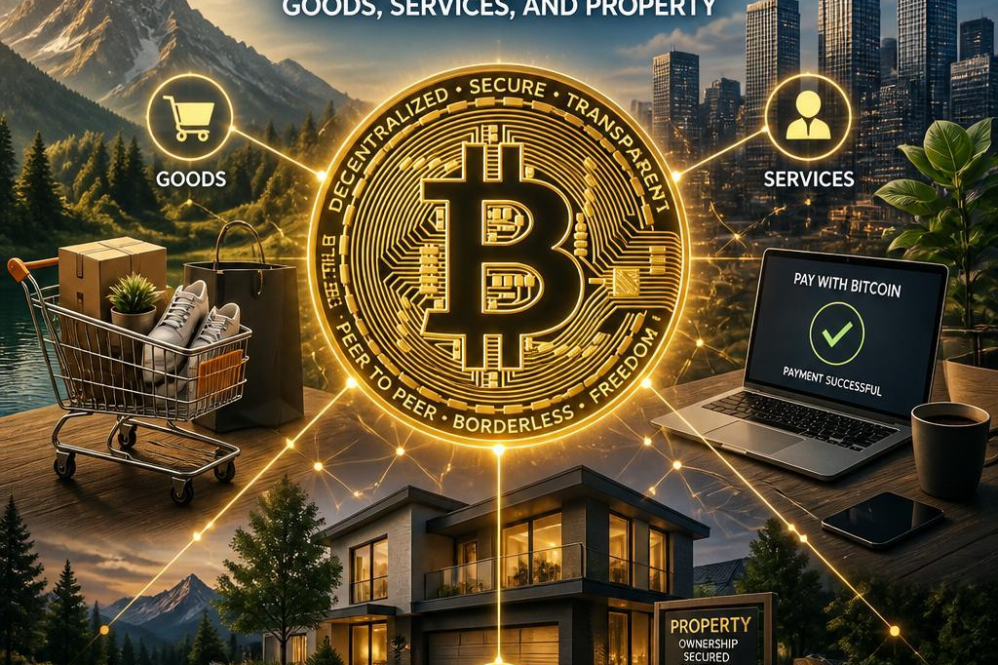
bitcoin in its essence, operates as a decentralized form of money, allowing seamless transfer of value between parties without intermediaries. This peer-to-peer approach enables users to buy goods,services,and even property directly,cutting out conventional banking fees and delays. merchants are increasingly integrating bitcoin payment systems, appreciating the benefits of near-instant settlements and reduced chargeback risks. As wallets and payment processors become more user-friendly, adopting bitcoin for everyday transactions continues to grow accessibility and trust among consumers and vendors alike.
With bitcoin transactions recorded on a public blockchain,both transparency and security are paramount.Buyers can verify the authenticity of the transaction, while sellers enjoy cryptographic guarantees against fraud. This infrastructure supports a global marketplace where currency conversion barriers fade, enabling:
- Cross-border purchases without costly exchange fees
- Instant micropayments suitable for digital content and services
- direct ownership transfer, critical in property deals and high-value transactions
| Transaction Type | Benefit of Using bitcoin | Common Use Case |
|---|---|---|
| Goods | Lower transaction fees | Electronics, clothing, groceries |
| Services | Faster settlement | Freelance work, subscriptions, consulting |
| Property | Immutable record of ownership | Real estate sales, land parcels |
Evaluating the Technology Behind Secure bitcoin Payments
Behind the seamless experiance of bitcoin transactions lies a refined fusion of cryptographic principles and decentralized network protocols. At its core, bitcoin leverages blockchain technology-a distributed ledger that records every transaction, ensuring transparency and immutability without depending on a central authority. This distributed trust system is secured by proof-of-work, an algorithmic challenge miners solve to validate transactions, which substantially reduces the risk of fraud or double-spending.
The security framework supporting bitcoin payments is strengthened by asymmetric cryptography. Each user possesses a private key and a public address. When a purchase is made, the transaction is signed with the private key, confirming ownership and authorization, while the public key allows verification without exposing sensitive information. This mechanism guarantees that only the rightful owner can authorize payments, thus enabling secure peer-to-peer exchanges of goods, servicesand even real estate.
| Security Component | Function | Benefit |
|---|---|---|
| Blockchain Ledger | Records all transactions | Prevents tampering,offers transparency |
| Proof-of-Work | Validates transactions | secures network consensus,deters attacks |
| Asymmetric encryption | Authenticates users | Protects against unauthorized access |
Exploring the Use of bitcoin in E-Commerce and Retail Environments
bitcoin has revolutionized the way consumers engage in transactions by offering a decentralized payment system that eliminates the need for traditional banking intermediaries. this digital currency facilitates direct peer-to-peer exchanges, making it possible to purchase a diverse array of goods, from everyday items to high-value assets like property. Its inherent design ensures enhanced security through blockchain technology, which verifies and records every transaction transparently while maintaining user anonymity. This trustless surroundings reduces fraud risks often associated with credit card payments and other conventional methods.
In e-commerce, bitcoin’s integration has expanded rapidly due to its low transaction fees and quick settlement times, which significantly improve merchant cash flow and customer experience. Online retailers and service providers can accept bitcoin alongside traditional currencies, allowing customers worldwide to buy without currency conversion hassles or exorbitant bank fees. Additionally, loyalty programs and discounts can be seamlessly integrated with crypto wallets, incentivizing repeat purchases and fostering customer retention in a cutting-edge digital economy.
Understanding the practical applications of bitcoin payments in retail:
- Instant checkouts: crypto payments reduce cart abandonment rates by enabling rapid confirmations.
- Cross-border accessibility: No restrictions or currency exchange delays for international shoppers.
- Ownership transfers: Smart contracts enable automatic and obvious conveyance of property and services.
| Industry | bitcoin Usage | Key Benefit |
|---|---|---|
| Real Estate | Property purchases and escrow | Secure value transfer without intermediaries |
| Retail | Product sales and flash promotions | Lower fees and enhanced customer loyalty |
| services | Consulting and digital content subscriptions | Instant international payments |
Navigating Legal and Regulatory Considerations for bitcoin Purchases
When acquiring bitcoin for purchasing goods, servicesor property, it is indeed crucial to understand the legal frameworks that regulate its ownership and use. Different countries adopt varied stances on bitcoin,from full legal acceptance to outright restrictions. Buyers must ensure compliance with local anti-money laundering (AML) regulations and know your customer (KYC) requirements, which are generally enforced by exchanges and platforms facilitating bitcoin transactions. Staying informed about these policies safeguards users against inadvertent violations that could result in fines or transaction reversals.
Regulatory clarity is also essential for taxation purposes.bitcoin is frequently enough treated as property or an investment asset, meaning purchases paid with bitcoin may trigger capital gains tax events. Users should track transaction histories meticulously and consult tax professionals to accurately report gains or losses. Below is a simplified overview of typical regulatory considerations relevant to bitcoin transactions:
| Category | Consideration | Impact |
|---|---|---|
| Legal Status | Is bitcoin recognized as legal tender or property? | Determines the legality of transactions and rights as a buyer. |
| AML/KYC | are identity verification rules enforced? | Ensures prevention of illegal activities; mandatory in most jurisdictions. |
| Taxation | How are bitcoin gains and payments taxed? | Affects recordkeeping and reporting requirements. |
due diligence extends to the platforms and vendors accepting bitcoin. Confirming their regulatory compliance and understanding dispute resolution protocols enhances security and trustworthiness. Engaging with reputable entities reduces the risk of fraud and legal complications, allowing the user to confidently leverage bitcoin’s potential in diverse purchasing scenarios.
Strategies for Safely buying Goods and Services with bitcoin
When engaging in transactions with bitcoin, ensuring security starts with using reputable platforms. Opt for well-known and reviewed cryptocurrency exchanges and payment processors that implement robust security measures like two-factor authentication (2FA), cold storage of fundsand encryption protocols. Equally important is verifying the legitimacy of merchants accepting bitcoin by researching their reputation through customer reviews and trusted cryptocurrency communities to avoid scams or fraudulent operations.
another crucial aspect is safeguarding your personal wallet:
- Use hardware wallets or secure software wallets with backup options.
- never share private keys or seed phrases with anyone.
- Regularly update wallet software to protect against vulnerabilities.
- Be cautious when transacting on public Wi-Fi networks to prevent interception.
| Strategy | Benefit | Example |
|---|---|---|
| Use Escrow Services | Protects buyer and seller until conditions are met | Bitrated, Escrow.com |
| Confirm bitcoin Payment Confirmations | Reduces risk of double-spending | Wait for 3-6 Confirmations |
| Verify Merchant Identity | Ensures transaction legitimacy | Check reviews, ratingsand physical address |
Leveraging bitcoin for Real Estate Transactions and Property Investments
bitcoin is revolutionizing how transactions are conducted across various sectors by offering a decentralized, secureand transparent medium of exchange.when it comes to large-scale purchases, such as real estate or property investments, bitcoin allows buyers and sellers to bypass traditional banking systems and reduce transaction times and costs. Its immutable ledger verifies ownership and payment authenticity instantaneously, creating a reliable framework for high-value exchanges without the delays of conventional financial institutions.
Investors and property buyers appreciate the ability of bitcoin to facilitate cross-border transactions effortlessly. The cryptocurrency’s global accessibility eliminates currency exchange complexities and fluctuating rates, providing a more predictable investment environment. Moreover, the pseudonymous nature of bitcoin payments enhances privacy for both parties while maintaining a public transaction record that ensures traceability and accountability, critical factors in real estate dealings.
Some advantages of using bitcoin in property transactions include:
- Lower transaction fees compared to wire transfers and escrow services
- Faster settlement times, often within minutes to hours
- Enhanced security through blockchain technology
- Greater accessibility for international buyers
- Reduced risk of fraud due to transparent and verifiable ownership history
| Feature | Traditional Real Estate | bitcoin Transactions |
|---|---|---|
| Transaction Speed | Days to weeks | Minutes to hours |
| Fees | High (bank, escrow, legal) | Low (network fees only) |
| Global Accessibility | Limited by currency & regulations | Borderless and pseudonymous |
| Ownership Verification | Complex paperwork | Transparent blockchain record |