For many people, the first step into the world of cryptocurrency still begins with physical cash. bitcoin ATMs bridge the gap between traditional money and digital assets by allowing users to buy and sometimes sell cryptocurrencies using banknotes or debit cards.Unlike online exchanges, thes machines are often found in familiar locations such as shopping centers, convenience stores, and transportation hubs, making them accessible to users who prefer face-to-face transactions or who may not have access to conventional banking services. This article explains how bitcoin ATMs work, what types of transactions they support, and the costs, risks, and practical considerations involved in trading cash for crypto through these devices.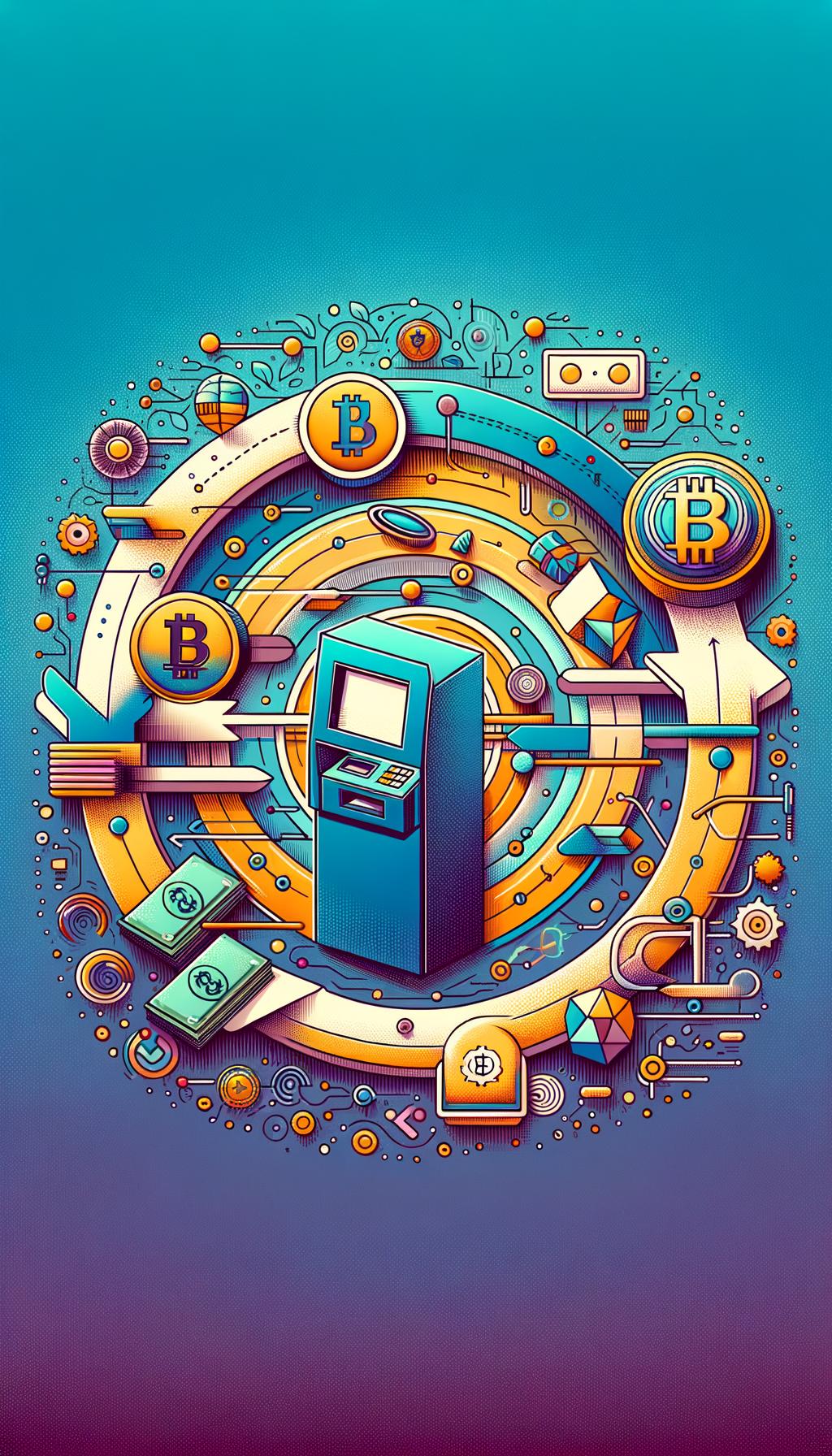
Understanding How bitcoin ATMs Work From Cash Deposit to crypto Delivery
From the moment you walk up to a bitcoin ATM, the machine guides you through a streamlined flow that transforms physical cash into digital value. After selecting a language and agreeing to basic terms, you typically scan your bitcoin wallet address-either from a mobile app QR code or a paper wallet.Some machines offer the option to generate a new paper wallet on the spot, but moast users prefer scanning an existing address to keep their crypto in a trusted wallet app. Once the address is confirmed on-screen, the ATM is ready to accept your cash and lock in a live exchange rate that refreshes every few seconds.
The cash deposit phase is where the machine’s internal logic and compliance systems go to work. As you insert bills, the ATM verifies authenticity, counts the total, and displays the corresponding BTC (or other crypto) amount at the current rate, including fees. At this point, users can either proceed or cancel the transaction before final confirmation. Behind the scenes, the operator’s software checks for:
- transaction limits based on KYC/AML rules
- Verification level (phone number, ID scan, selfie)
- Real-time liquidity from connected exchanges or reserves
- Network conditions such as blockchain congestion and fees
| Step | User Action | ATM Process |
|---|---|---|
| 1 | Scan wallet QR | Validate address format |
| 2 | insert cash | Count and verify bills |
| 3 | Confirm trade | Broadcast blockchain transaction |
Once you hit confirm, the ATM instructs its backend system to create and broadcast a crypto transaction to the wallet address you provided. In most setups, the operator either pulls coins from a hot wallet or executes a buy order on a connected exchange in real time, then sends the purchased amount to your address.A printed or digital receipt will usually show the transaction ID (TXID), the amount of crypto sent, fees applied, and the exact timestamp. From there, the delivery is a matter of blockchain speed: within a few confirmations, your wallet reflects the deposit, turning your original cash into verifiable on-chain funds that can be held, spent, or moved worldwide.
evaluating Fees Limits and Exchange Rates Before Using a bitcoin ATM
Before you feed banknotes into the machine, it’s essential to understand how much you’re really paying for the convenience. Every kiosk applies a spread between the market price of bitcoin and the rate it offers you, and that difference can be larger then on online exchanges. On top of that, there might potentially be flat or percentage-based service charges.Always check the on-screen quote and compare it-on your phone-to the live market price so you can see the effective markup. Look for clear,itemized information on: exchange rate,service fee,and any network or miner fees deducted from your purchase.
Most kiosks also enforce transaction caps to comply with regulations and manage risk, which can substantially shape how you plan your purchase or sale. Limits can vary widely between operators, and sometimes even between machines from the same brand in different locations. Be prepared for thresholds such as:
- Per-transaction caps that restrict how much cash you can swap in a single operation.
- Daily or weekly limits tied to your ID verification level.
- Minimum amounts below which a transaction isn’t allowed, often due to fixed network fees.
| Factor | What to Check | Why It Matters |
|---|---|---|
| Exchange Rate | Compare ATM quote to live BTC price | Reveals hidden markup |
| Fees | Service + network fees shown on screen | Impacts final crypto received |
| Limits | Per-tx and daily caps for your ID level | Affects how much you can buy or sell |
| Payment Method | Cash only or card-supported | May change pricing and eligibility |
Verifying Identity and Staying Compliant With Local Regulations
Before any cash ever hits the machine, most modern kiosks quietly walk users through a quick identity check. This can range from entering a mobile phone number for a one-time code to scanning a government-issued ID directly into the terminal. Some operators also use a built-in camera to capture a short video or selfie, matching it against the uploaded document. These steps may feel like a small hurdle, but they help prevent stolen funds from being laundered and protect honest customers if a transaction is ever disputed.
As regulations differ from country to country-and sometimes city to city-operators have to carefully tune how their machines work in each location. Many set tiered limits, where small trades require only minimal information, while larger cash-for-crypto exchanges trigger stricter checks and extra verification. The goal is to balance privacy and convenience with legal obligations, so that users can still enjoy a simple, walk-up experience while the operator collects just enough data to satisfy oversight agencies and banking partners.
Behind the screen, every transaction is logged, monitored and screened using automated tools that look for suspicious behavior. These systems help the operator comply with anti-money laundering (AML) and know your customer (KYC) rules without slowing down everyday users. Typical safeguards include:
- transaction limits that reset daily or weekly to reduce risk
- Blacklist checks for known fraudulent wallets or phone numbers
- Geolocation rules that adapt to local licensing requirements
- Audit-ready records that regulators can review if needed
| Limit Tier | Required Info | Typical Use |
|---|---|---|
| Low | Phone number | First-time, small test buys |
| Medium | ID scan | Regular cash-to-crypto trades |
| High | ID + proof of address | Frequent or large-volume users |
Choosing a Secure Location and Protecting Your Wallet During Transactions
before you even pull out your cash, take a moment to scan your surroundings. Look for well-lit areas, visible security cameras, and steady foot traffic – these are subtle but strong indicators that the machine is placed in a safer habitat. ATMs located inside supermarkets, bank branches, or 24/7 convenience stores generally offer more protection than those in dimly lit parking lots or side entrances.If anything feels off, trust your instincts and find another machine, even if it means walking a little farther.
While you’re at the machine, treat your wallet and phone like they’re part of the transaction’s security system. Keep them close to your body, and avoid laying them on counters or window ledges where they can be easily grabbed. When counting cash, position your body to create a barrier from people behind or beside you. You can also use simple WordPress styling like bold red warnings in your own guides or notes to remind yourself of risky behaviors to avoid, such as flashing large amounts of money or sharing your screen with strangers.
Small, purposeful habits greatly reduce your exposure to opportunistic theft. Consider the following practices while handling your wallet and cash at a crypto ATM:
- Carry only what you need - bring just enough cash for the transaction.
- Use a slim, front-pocket wallet – harder for pickpockets to target.
- Secure your bag or backpack – keep zippers closed and in front of you.
- Avoid public displays of cash - count and organize bills before you arrive.
- leave quickly once finished – don’t linger checking balances at the machine.
| Location Type | Risk Level | Wallet Safety Tip |
|---|---|---|
| Inside bank lobby | Low | Keep wallet in front pocket |
| Busy retail store | Medium | Zip bags and stay alert in queues |
| Street corner ATM | High | Avoid at night; bring a friend |
Avoiding Common Pitfalls and Scams Associated With bitcoin ATMs
Because these machines connect the worlds of cash and crypto, they’ve also attracted fraudsters looking to exploit new users.The most common red flag is any situation where a stranger tells you to withdraw cash and send bitcoin to a QR code they provide-this is almost always a scam, whether the person claims to be from “tech support,” “law enforcement,” or a “prize department.” Legitimate companies and government agencies do not demand crypto payments via these kiosks. Before completing a transaction, pause and ask yourself who requested it, why it must be in bitcoin, and whether you can verify the story through an official website or phone number you look up yourself.
- Never share your wallet’s private keys or seed phrase at the machine or with anyone helping you.
- Avoid “helpers” who hang around kiosks offering to walk you through a trade for a fee.
- Double‑check the wallet address on the screen before confirming; one wrong character sends funds to a stranger.
- Use machines from well‑known operators that clearly display fees,support contacts,and compliance notices.
| Situation | Risk Level | Smart Move |
|---|---|---|
| “Tech support” tells you to pay a fee in BTC | Very High | Hang up, call official support from the website |
| Stranger offers to “double your crypto” at the ATM | Extreme | Walk away and use a different location |
| Fees are hidden or not shown clearly | medium | Cancel the transaction and choose another operator |
| Machine is in a poorly lit or isolated area | Medium | Visit during business hours or use a safer spot |
On the technical side, treat these kiosks with the same caution as an online exchange. Use a secure, reputable wallet app on your own device, and avoid entering sensitive login credentials directly on the machine when possible.If the screen looks tampered with, the QR scanner is loose, or the interface asks for unusual permissions, cancel the session immediately. After using the kiosk, keep your receipt, verify that the transaction appears in your wallet or on a blockchain explorer, and contact the operator’s support channel-listed on the machine or their website-if anything seems off. A few extra checks protect not only your cash and crypto, but also your privacy and long‑term confidence in using these services.
When To Use a bitcoin ATM Versus Online Exchanges for Buying and Selling Crypto
Choosing between a physical kiosk and a web-based platform often comes down to how quickly you need funds, how comfortable you are with technology, and your privacy expectations. bitcoin ATMs shine when you want to turn cash into crypto (or vice versa) on the spot, without waiting for bank transfers or card approvals. They’re especially helpful for unbanked users or travelers dealing with foreign bank limitations, because all you typically need is cash, your wallet address, and, depending on the amount, some basic identity verification.
In contrast, online exchanges are built for users who prioritize lower fees, advanced trading tools, and access to a wider range of digital assets. Once your account is verified and funded, you can buy and sell crypto in larger volumes, set limit orders, and integrate various wallets and DeFi services. While this comes with more steps-such as KYC checks, linking bank accounts, and learning order types-it’s usually the better fit for regular traders and long-term investors.
To decide which option fits your specific situation, weigh your needs using the quick comparison below.
- Use a physical kiosk if: you need cash or crypto fast, in person, with simple steps.
- Use a web-based platform if: you want lower fees, more coins, and advanced trading features.
- Consider both if: you value on-the-go access but still manage a larger portfolio online.
| Scenario | Best option | Main benefit |
|---|---|---|
| Instant small cash-to-crypto | bitcoin ATM | Speed & simplicity |
| Frequent trading | Online exchange | Lower ongoing fees |
| No bank account | bitcoin ATM | Cash-based access |
| Diverse altcoin portfolio | Online exchange | More asset choices |
bitcoin ATMs bridge the gap between the traditional cash economy and the digital asset world by offering a familiar, straightforward way to buy and sell cryptocurrency. They give users the ability to convert physical currency into bitcoin and other digital assets, often within minutes and without needing a bank account or extensive technical knowledge.
Though, convenience comes with trade-offs. Fees are typically higher than on online exchanges, transaction limits can apply, and regulatory requirements such as identity verification vary by jurisdiction and provider. understanding how these machines work-their fee structures, verification processes, supported coins, and security measures-is essential before committing any funds.
As the crypto ecosystem matures and regulations evolve, bitcoin ATMs are likely to become more refined and widespread. For now, they remain a useful tool for those who value accessibility and immediacy, provided users approach them with clear information, realistic expectations, and appropriate caution.