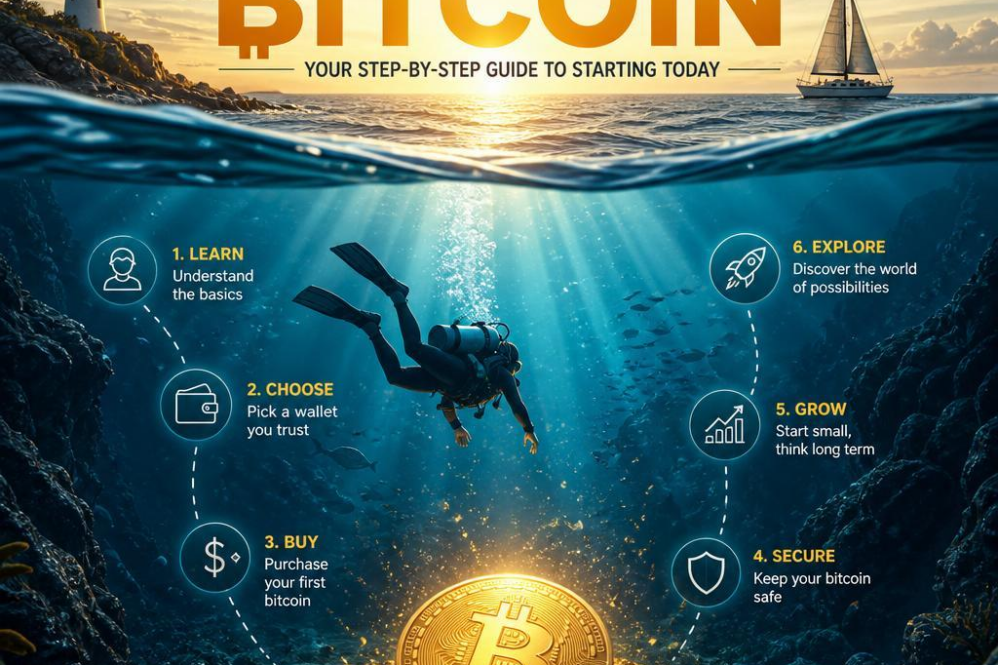
Understanding bitcoin Basics Before You Begin
Understanding the basics of bitcoin is crucial before diving into the digital currency world. bitcoin, the brainchild of an anonymous creator named Satoshi Nakamoto, emerged in 2009 as a groundbreaking concept in finance and technology. It operates on a decentralized network, called the blockchain, which ensures secure and transparent transactions. This network allows users to exchange bitcoin without the need for customary intermediary systems such as banks or payment processors. Each transaction is verified and recorded in a public ledger, enhancing the trust and integrity of the network. Decentralization is key here,as it ensures that no single entity has control over the system,promoting fairness and openness for all participants.
Before you start using bitcoin, it’s important to familiarize yourself with the concept of a cryptocurrency wallet. These digital wallets are where your bitcoin will be stored. There are various types of wallets to choose from, each with its own pros and cons depending on your needs. Software wallets, such as desktop or mobile apps, provide ease of use and accessibility on the go, but you need to ensure they are from reputable sources and are updated regularly. Alternatively, hardware wallets are physical devices designed to keep cryptocurrencies safe offline, offering enhanced security. Each wallet type also offers varying levels of privacy and control over your funds. Here’s a fast rundown:
| Wallet Type | Pros | Cons |
|---|---|---|
| Software Wallet | Convenient and easy to use | More susceptible to hacking |
| Hardware Wallet | High security and offline storage | Less accessible for everyday use, more expensive |
Another fundamental aspect of bitcoin is the process for acquiring it. You can purchase bitcoin on cryptocurrency exchanges, which function much like traditional stock exchanges but for digital currencies. These exchanges offer a straightforward way to buy and sell bitcoin using fiat money (e.g., USD, EUR, etc.) or other cryptocurrencies. Though, it’s critically important to choose a reputable exchange with strong security measures to protect your funds.Another method, known as bitcoin mining, involves using powerful computing resources to solve complex mathematical problems and add new blocks to the blockchain. While this can yield new bitcoin, it requires notable investment in specialized equipment and consumes a lot of energy. Understanding these methods will help you decide which route is best for you to begin your bitcoin journey.
Setting Up Your bitcoin Wallet Securely And Efficiently
Creating a bitcoin wallet is the first step in your cryptocurrency journey.To begin,you have several wallet types to choose from,including hardware wallets,software wallets,and paper wallets. Each type serves a unique purpose, but it’s crucial to understand the benefits and potential downsides before making your selection.For security, a hardware wallet is recommended for most users since it keeps your private keys offline and out of harm’s way. Software wallets like those provided by exchanges or standalone apps offer convenience but come with the risk of being compromised by hackers. Consider your security needs and lifestyle preferences before picking the right wallet for you.
Once you’ve chosen your wallet type, setup is usually straightforward. Start by downloading the wallet software if you’re using a software wallet like MetaMask or Exodus.For hardware wallets like Trezor or Ledger,you’ll need to complete the setup process by following the instructions provided with the device. This typically involves downloading the required software, plugging in the deviceand confirming your security settings.Remember to create a strong and unique 12-word seed phrase during setup. This seed is your golden ticket to accessing your bitcoin,and losing it means losing your funds permanently. Take extreme care in safeguarding your seed, ideally by writing it down on tamper-evident paper and keeping it in a secure location, like a fireproof safe or a safety deposit box.
To ensure your bitcoin remains secure, adopt best practices like enabling two-factor authentication (2FA) if available, keeping your wallet software updatedand regularly checking your account activity. It’s also wise to set up regular backups, which should include safely storing your 12-word seed and any necessary recovery codes. For an extra layer of security, consider using a hot wallet for daily transactions while keeping your main stash in a cold wallet, which is not connected to the internet.By following these steps,you can enjoy the benefits of bitcoin with added peace of mind.
Navigating bitcoin Exchanges For Smart Investments
Navigating the vast and frequently enough complex world of bitcoin exchanges requires a thorough understanding of their mechanics and a discerning eye for reliability. When you choose an exchange, you’re not just selecting a platform; you’re positioning yourself as a sophisticated investor in the digital currency ecosystem. It’s crucial to evaluate several key factors, such as security measures, transaction feesand available trading pairs. Security, particularly, is paramount. Any breach can result in the loss of your investment, making it essential to opt for exchanges with robust security protocols like two-factor authentication, cold storage solutionsand regular security audits.
Beyond security, look for exchanges that offer a user-friendly interface and a variety of trading options. A good exchange will support multiple cryptocurrencies and have a straightforward trading platform where you can easily place buy or sell orders. For beginners, platforms with built-in educational resources and tutorials are particularly valuable. These features not only enhance the learning curve but also provide essential support for making informed decisions. To illustrate,a table comparing the features of two popular bitcoin exchanges can help identify which one might better suit your needs.
| Features | Exchange A | Exchange B |
|---|---|---|
| Transaction Fees (Taker) | 0.2% | 0.1% |
| Security Measures | 2FA, Cold Storage, API Key | 2FA, Cold Wallets, IP Logging |
| User Interface | Advanced, Multi-Crypto | Simple, Focused on bitcoin |
| Client Support | 24/7 Chat, Email | FAQ, Community Forums |
| Educational Resources | Webinars, Guides, Tutorials | Articles, Blog Posts |
Lastly, always consider the liquidity of the exchange. A well-liquidity exchange allows for smoother transactions and more consistent price movements. You can typically find this information through reviewing market depth or reaching out to the support team.By doing your due diligence and understanding the nuances of each platform,you can position yourself to make smarter and safer investments in bitcoin.
Leveraging bitcoin For Everyday Transactions And Beyond
bitcoin, frequently enough viewed as the gold standard of cryptocurrencies, offers more than just a way to speculate on digital assets. It can be used in everyday transactions, whether you’re shopping online, buying a cup of coffeeor sending money across borders. While adoption rates vary by region,the ecosystem is growing,and using bitcoin for day-to-day activities is becoming increasingly convenient. One of the key benefits of using bitcoin for transactions is its potential for lower fees compared to traditional banking systems, especially for international transfers.
To start using bitcoin in your everyday life, the first step is to choose a reliable bitcoin wallet.There are several options available, including hardware wallets like Ledger or Trezor, which offer enhanced security for storing larger amounts of bitcoin. For more basic needs,software wallets such as bitcoin Core or mobile wallets like BlueWallet can be sufficient. These wallets are the digital equivalent of your physical wallet, allowing you to store, sendand receive bitcoin safely and securely. It’s also wise to keep an eye on security best practices, especially when dealing with hardware and software wallets.
Once you have your wallet set up, the next step is to find places that accept bitcoin. Many e-commerce platforms like Overstock and Newegg already support bitcoin payments, making it easy to purchase goods online. some brick-and-mortar stores and cafes are starting to accept bitcoin as well. A quick web search or a check of the bitcoin payment processing platforms like BitPay can provide you with a list of local and online businesses that welcome bitcoin.To make the transition as seamless as possible, many platforms now offer tools to convert bitcoin to local currency automatically at the point of sale, ensuring a smooth transaction experience. Here’s a simple breakdown of what you can expect:
| Transaction Type | Recommended Wallet | Example Usage |
|---|---|---|
| Online Shopping | BlueWallet, Blockchain.com Wallet | Purchasing from Overstock or Newegg |
| Cashier Payments | Trezor, Ledger | Visiting a café that accepts bitcoin |
| International Transfers | Coinbase, BitPay | Sending money to a friend overseas |
By integrating bitcoin into your daily financial routines, you can enjoy the convenience and security it offers.With the right tools and knowledge,embracing bitcoin can be as straightforward as using any other form of digital currency.