July 8, 2026

Capitalizations Index – B ∞/21M

Crypto Tax Support Is Coming Slowly to India

Crypto tax support is coming slowly to india

Crypto Tax Support Is Coming Slowly to India

Crypto tax support is coming slowly to india

While the focus may be on the U.S. of late, cryptocurrency tax issues are becoming a global problem.

India, for example, has responded by sending tax notices to crypto traders and investors after a survey found $3.5 billion in transactions may have been performed by citizens over the past 17 months. The country’s income tax department has even gone so far as to raid exchanges over suspicions that their customers were evading taxes.

In the midst of all this, local startups are proving proactive, offering services that can help crypto users determine what they owe.

One example comes from tax software startup Cleartax, which recently introduced a crypto tax advisory service in partnership with bitcoin wallet Zebpay, a move that echoes those by other global startups like Coinbase (which recently issued its own cryptocurrency tax calculating tool.)

Demand for the product so far has been strong, according to representatives at Cleartax.

“The surge in crypto pricing saw a lot of interest from India,” the representative told CoinDesk. “We started to receive hundreds of queries about tax implications of these transactions.”

And it’s easy to see why. With cryptocurrencies neither legalized nor regulated in the country, taxpayers are struggling to report their crypto profits.

Cleartax continued:

“There is lack of clarity and anxiety, and several views are floating about how gains from [cryptocurrencies] must be reported in tax returns.”

But Nischint Sanghavi, head of exchange at Zebpay, believes the new tool will help resolve concerns.

ClearTax will make taxation related to cryptocurrencies simpler for people so that they can plan their taxes in a better manner,” Sanghavi said.

Indeed, the advisory service is designed to solve any query related to the taxation on trading and sale of cryptocurrencies, as well as those that might be asked by salaried financial traders and freelancers. Plus, Cleartax has launched certified accountant-assisted tax filing services for investors, helping them report their short- and long-term capital gains from the sale of cryptocurrency.

Answers ahead?

That said, both companies will be limited by India’s ongoing regulatory uncertainty over the technology.

The nation’s central bank, the Reserve Bank of India (RBI), has been repeatedly issuing warnings to users, holders and traders of cryptocurrencies, stating that it has not given any license to any entity or company to operate or deal with bitcoin or any cryptocurrency, potentially putting a damper on tax disclosures.

“[With this], the possibility of any formal details on how to tax and report these remains low,” Archit Gupta, CEO of Cleartax, told CoinDesk.

Yet, bitcoin exchanges in India including Unocoin, Zebpay and CoinSecure are seeking clarifications over tax liabilities for their operations.

Still, Gupta said, even with “no clear directive” from the country’s income tax department on how cryptocurrency holdings must be reported, users, at least, should pursue paying some form of tax on them.

In the absence of such rules, he said, “it would be wiser to report these as ‘income from other sources’ and pay a 30 percent tax on gains from them as opposed to reporting them as capital gains, which would mean these are capital assets.”

And summarizing Gupta’s view, a Cleartax representative concluded:

“While the law is unclear – it is certain that this [cryptocurrency] income must be offered to tax.”

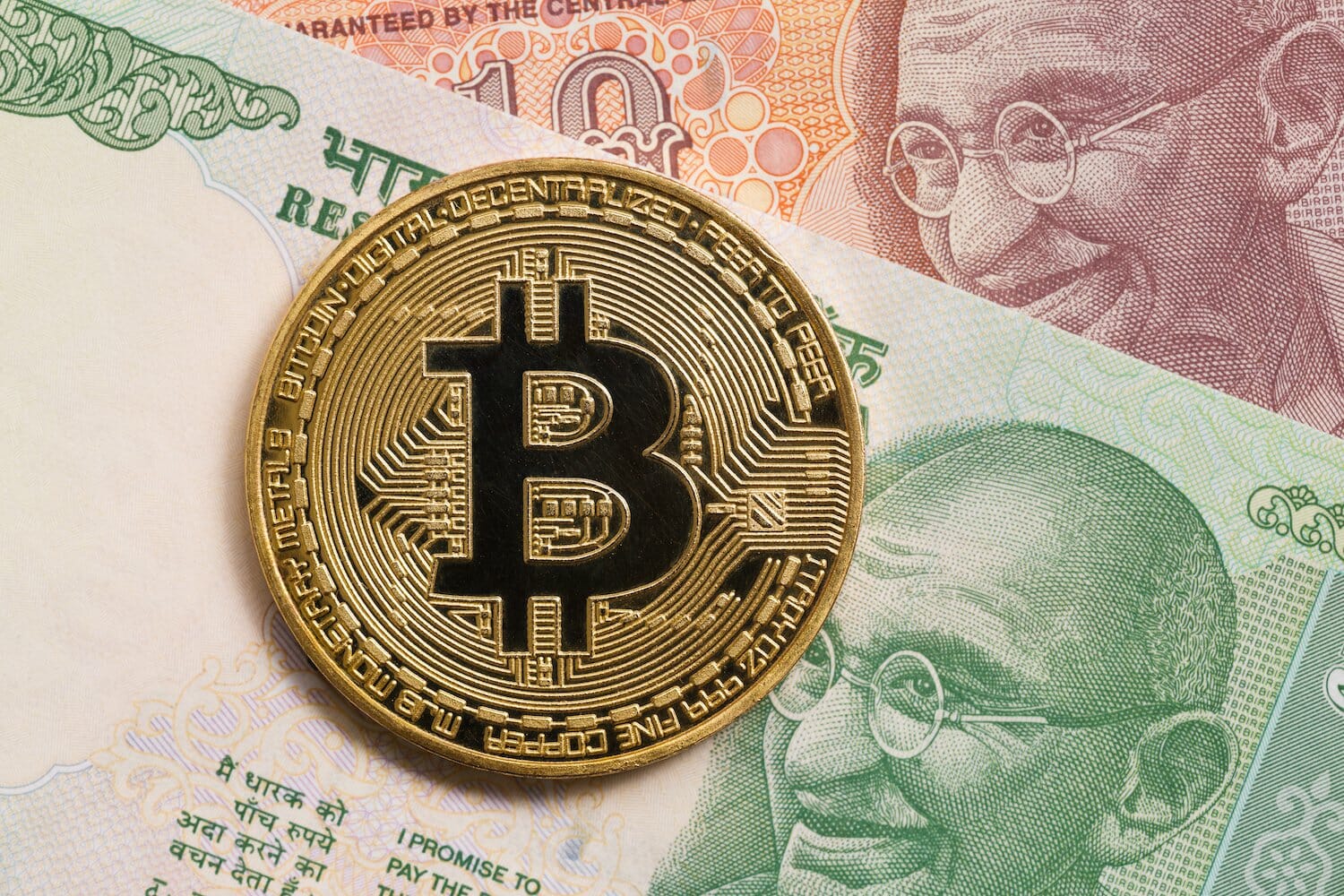
India money image via Shutterstock

The leader in blockchain news, CoinDesk is a media outlet that strives for the highest journalistic standards and abides by a strict set of editorial policies. CoinDesk is an independent operating subsidiary of Digital Currency Group, which invests in cryptocurrencies and blockchain startups.

Published at Wed, 11 Apr 2018 23:59:37 +0000

2018 Tax
Previous Article

Crypto Tax Support Is Coming Slowly to India

Next Article

How to Earn Gridcoin with Pool Research via grcpool.com

You might be interested in …

Why The Bitcoin Miners Are Destined To Lose The Hard Fork Wars

Excuse me for indulging myself, but there are many points of view towards what may be an impending hard fork for bitcoin. This may come across as a loosely coherent ramble, but at least it is short and sweet. There is enough here to put it on wax, so here’s what I see, in the big picture.


This is in response to the Medium post created by Peter Rizun yesterday, outlining how this hard fork may play out, and essentially showing a way BTU wins, in the long run. (Roger Ver tweeted his support for this post, so I read it and posted most of these thoughts in the comments section, and here we are.)

//platform.twitter.com/widgets.js

In my humble opinion, the problem I see coming is if BCU breaks off, it will become an altcoin, as has been established by the bitcoin exchange establishment. These miners can mine all the blocks they want, if the greater community doesn’t trust their developers, doesn’t want an altcoin, and isn’t buying BCU, it is irrelevant by design.

The market will decide who wins, and anybody who is not a miner wants to stick with Core and their chain. The miners are one thing, the market is something else. The miners might win a battle, but they would lose that war. They should keep that in mind.

Without those miners, BTC would definitely take a hit, but the Core developers could then quickly move to a 2MB upgrade and get SegWit and The Lightning Network approved, creating greater bitcoin functionality, from a trusted group of developers, and an incredible upside in off-chain scalability that an on-chain approach would be hard pressed to match. All without the centralization and control of the miners.

segwit-logo

Users will follow anyone who is going to implement SegWit. The market is sold on this concept as a boon to bitcoin functionality. BTU has not done a very good sales job at all regarding their position. Scaling away from miners will hurt mining, but it will let bitcoin reach its full potential.

BTU needs to sell their mined Bitcoins to a market. I’m not seeing much of a market for BTU, outside of the miners and BTU investors, themselves. The miners do not control bitcoin, and even Core does not control bitcoin. Maybe, just maybe, The People control bitcoin’s future growth? Anyone who thinks the market doesn’t have a handle on who each side is looking out for here is fooling themselves.

Just seeing how the community is responding, keeping my ear to the ground, the greater community will not follow the miners, who are primarily looking to turn a digital buck in bitcoin. They will follow Core, who is looking after the greater good. Miners will lose that tug of war.

Bitcoin miners vs Bitcoin core

It has become clear that BTU developers cannot replace BTC developers, as the recent bugs have shown the world, but BTC miners can be replaced. There are plenty of people around the world who want that job, and can do it just as well.

This power struggle is really temporary in nature. People will not follow miners looking for profit first, and who want to hijack the entire system, from now on, in order to get it. That is not leadership.

At the end of the day, The People will decide to back Core. The only question is when will the dissenting miners, clouded by visions of endless bitcoin profiteering, figure this fact out?

If the miners didn’t get the memo, that the vast majority of the market will stick with Core and not dump BTC for any BTU altcoin, use this. Like bitcoin itself, it’s far from perfect, but it’ll do just fine.

How do you think a hard fork would play out? Should there be an increase in block size? Let us know what you think below!


Images courtesy of bitcoin Core, AdobeStock

The post Why The Bitcoin Miners Are Destined To Lose The Hard Fork Wars appeared first on Bitcoinist.com.