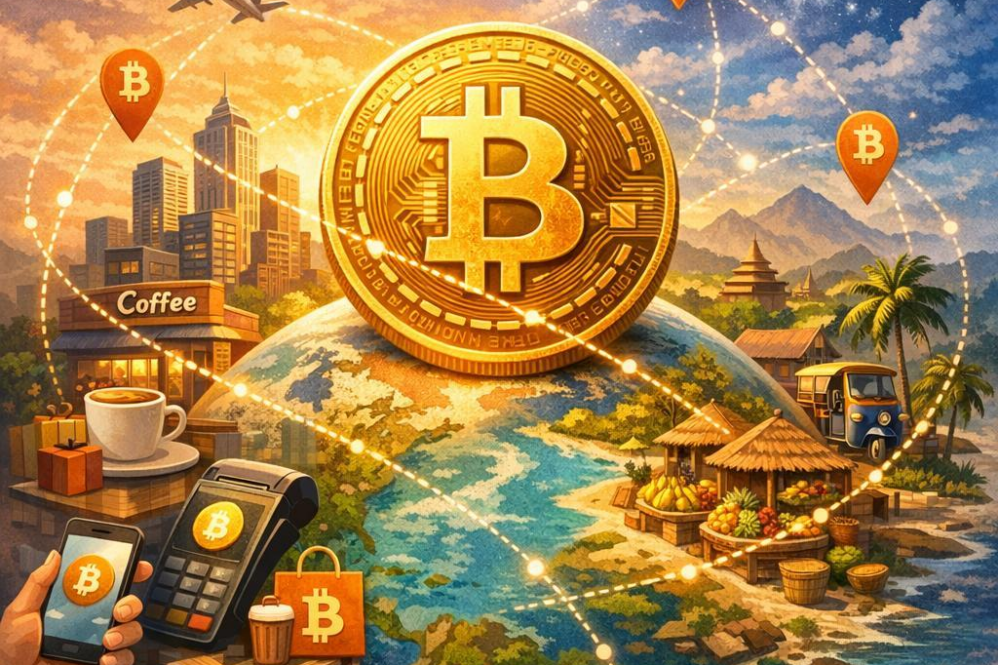
– Understanding bitcoin’s Practicality as a Daily Transaction Medium
bitcoin’s viability for everyday purchases hinges largely on the evolving ecosystem of merchants and specific regional conditions. While the cryptocurrency offers undeniable benefits such as decentralization, reduced intermediaries, and potential for low transaction fees, its adoption varies widely. Some retailers embrace bitcoin enthusiastically, offering an alternative to traditional payment methods, while others remain hesitant due to volatility concerns and technical barriers.
Key factors influencing practical daily use include:
- Merchant Infrastructure: availability of point-of-sale systems supporting cryptocurrency payments.
- Transaction Speed and Fees: The efficiency of bitcoin’s network plays a critical role in its suitability for small or frequent transactions.
- regional Regulatory Climate: Legal acceptance and clarity help foster merchant confidence and consumer usage.
| Region | Merchant Adoption | Average Transaction Speed | Regulatory Environment |
|---|---|---|---|
| North America | Moderate to High | ~10 minutes | Supportive, evolving frameworks |
| Europe | Growing | ~10 minutes | Generally positive |
| Asia | Varies widely | ~10 minutes | Mixed, some restrictive |
– Examining merchant Adoption and Acceptance Across Different Sectors
bitcoin’s acceptance fluctuates substantially depending on the sector. Retail businesses such as electronics, luxury goods, and specialty food stores have shown a higher willingness to adopt bitcoin payments. This trend is largely driven by the tech-savvy clientele these sectors attract and the potential for lower transaction fees compared to traditional card payments. Conversely, everyday services like groceries and gas stations generally exhibit slower adoption rates, often due to thin margins and higher volume transaction structures that demand stability and predictability in payment processing.
Several key factors influence merchant adoption:
- Transaction speed and fees: Retailers in sectors with lower margin tolerance prioritize fast, low-cost transactions, which bitcoin networks occasionally struggle to guarantee during peak times.
- Customer demand: Businesses in urban and tech-forward regions often see more interest from customers wanting to pay with cryptocurrencies.
- Regulatory clarity: Merchants operating in regions with clear digital currency regulations show higher adoption rates due to reduced legal risk.
| Sector | bitcoin Acceptance Level | Primary Adoption Drivers |
|---|---|---|
| luxury Goods | High | High customer tech-savvy, exclusivity appeal |
| Electronics | Moderate to High | Innovative products, younger demographic |
| Food & Beverage | Moderate | Urban locations, frequent small transactions |
| Fuel Stations | Low | High volume, low margin, transaction speed concerns |
– Regional Variations in bitcoin usage and Infrastructure Development
bitcoin adoption as a medium of daily transactions varies significantly depending on the region, heavily influenced by local economic conditions, regulatory environments, and technological infrastructure. In countries with unstable fiat currencies or high inflation rates, such as Venezuela or Zimbabwe, bitcoin serves as a critical tool for preserving wealth and enabling everyday purchases. Conversely, in developed nations with stable financial systems, bitcoin is often treated more as an investment asset rather than a day-to-day currency.
Merchant acceptance differs widely around the globe, largely reflecting market demand and familiarity with cryptocurrency. Urban centers and tech hubs tend to have a higher concentration of businesses that accept bitcoin payments, ranging from cafes and restaurants to online retailers. rural or less technologically developed areas frequently enough lag behind due to limited internet access, lower digital literacy, and the cost of implementing crypto payment solutions.
| Region | Primary Use | Merchant Density | Infrastructure Highlights |
|---|---|---|---|
| North America | investment & Select Daily Use | Moderate to High in Cities | Advanced payment gateways, regulatory clarity in certain states |
| Latin America | Daily Transactions & Remittances | High in Urban Areas | Growing network of ATMs, peer-to-peer exchanges |
| Sub-Saharan Africa | Remittances & Inflation Hedge | Low to Moderate | mobile wallets integration, expanding mobile internet |
| Europe | Investment & Emerging Retail Use | Moderate | Legal frameworks evolving, retail payment pilots |
- Regulatory support: Regions with clearer legal guidelines tend to foster more robust bitcoin ecosystems.
- Technological adoption: The presence of crypto-amiable apps and mobile wallets significantly boosts everyday bitcoin usage.
- Economic necessity: Countries facing currency devaluation adopt bitcoin more rapidly as a transactional and store of value tool.
- Strategic Recommendations for Increasing bitcoin’s Everyday Usability
To enhance bitcoin’s integration into daily transactions, it is crucial for merchants and payment platforms to prioritize user-friendly interfaces. Simplified payment gateways that allow instant conversions between bitcoin and local currencies can minimize volatility concerns and encourage merchant adoption. offering educational resources about bitcoin’s benefits and transaction clarity can also empower both vendors and consumers, fostering wider acceptance across diverse demographic groups.
Partnerships between fintech companies and local businesses can drive bitcoin’s practical usage by developing tailored solutions adapted to regional economic contexts. For instance, integrating bitcoin payments with point-of-sale systems in high-tourist areas can attract international customers seeking cryptocurrency options. In regions with limited banking infrastructure, merchants can benefit from simplified onboarding processes and mobile wallet integration that bypass traditional hurdles, making day-to-day bitcoin spending more viable.
| Strategic Focus | Example Initiative | Expected Benefit |
|---|---|---|
| Infrastructure | Instant bitcoin-to-fiat conversion tools | Reduced volatility risk for merchants |
| Education | Workshops for small businesses | Increased confidence in bitcoin transactions |
| Partnerships | Collaboration with regional payment processors | Expanded acceptance and ease of use |
| Incentives | Discounts for bitcoin payments | Customer attraction and loyalty growth |
lastly, creating financial incentives such as discounts or loyalty programs exclusive to bitcoin users can accelerate everyday usage. Governments and regulators can support this evolution by clarifying legal frameworks and offering tax advantages for cryptocurrency payments. Through collaborative ecosystem efforts and smart policy-making, bitcoin can transition from niche investment to a widely accepted medium of exchange.