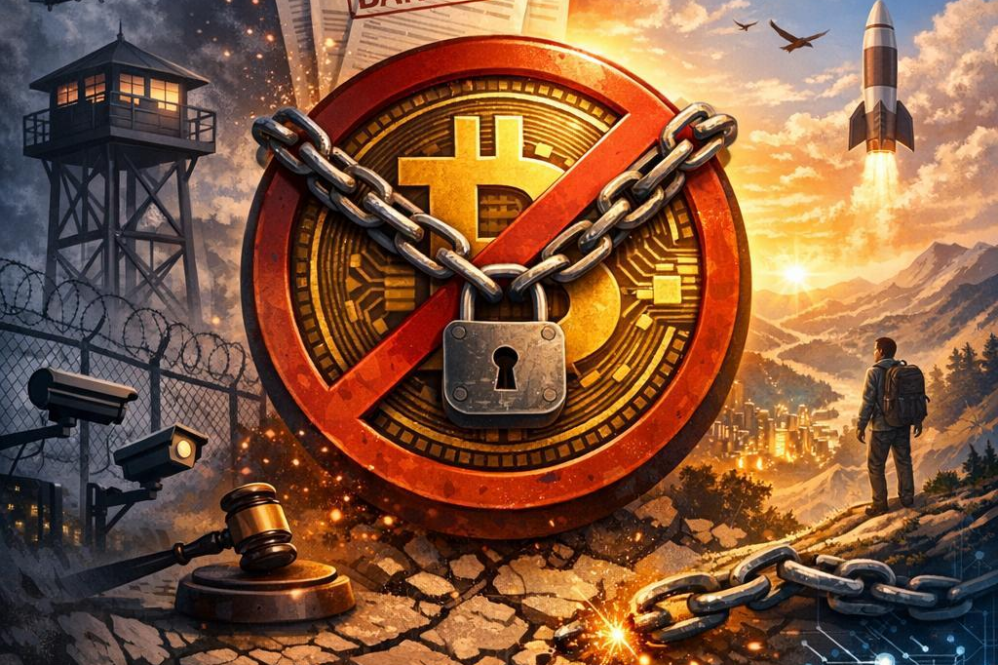
The Legal Landscape of bitcoin Regulation Across Major jurisdictions
bitcoin occupies a complex position within global regulatory frameworks, shaped by diverse political, economic, and social contexts. While outright bans are rare, many countries impose stringent regulations aimed at curbing illicit activities and protecting consumers. In jurisdictions like China and Algeria, bitcoin faces near-total prohibition, driven by concerns over financial stability and the circumvention of capital controls. Conversely,other nations adopt a more permissive approach,regulating bitcoin as a form of digital asset or commodity while emphasizing transparency and anti-money laundering (AML) compliance.
Regulatory approaches can broadly be categorized into several frameworks:
- Prohibition: Complete or near-complete bans on bitcoin trading, mining, and usage.
- Database and Taxation Regulation: Legal recognition coupled with strict monitoring and tax obligations.
- Licensing and Compliance: Mandating exchanges and wallet providers too register and operate under specified rules.
- Encouragement and innovation: Governments fostering blockchain advancement, with regulatory sandboxes to experiment with cryptocurrencies.
Below is an illustrative overview of contrasting stances and regulatory measures applied by select major jurisdictions:
| Jurisdiction | Regulatory Status | Key Restrictions | Enforcement Focus |
|---|---|---|---|
| United States | Regulated | AML/KYC mandates, Securities oversight | Compliance & investor protection |
| china | Banned | mining & trading prohibited | Financial control & fraud prevention |
| European Union | Regulated | Market transparency, Anti-money laundering | Consumer protection & market integrity |
| El Salvador | Legal Tender | bitcoin approved for payments | Financial inclusion & innovation |
Mechanisms and challenges in Enforcing bitcoin Bans
Governments seeking to enforce bans on bitcoin face a complex web of technological and regulatory challenges. Unlike traditional currencies, bitcoin operates on a decentralized blockchain, making it nearly impossible to control through conventional means. Authorities may attempt to restrict access by targeting cryptocurrency exchanges, banning crypto wallet providers, or blocking websites related to bitcoin trading.However, these measures are often circumvented by users employing virtual Private Networks (VPNs), decentralized exchanges, or peer-to-peer platforms, which complicate the enforcement landscape substantially.
Key challenges in enforcing bitcoin bans include:
- Decentralization: No central point of failure makes complete shutdown unfeasible.
- Cross-border transactions: bitcoin transcends national jurisdictions, limiting the effectiveness of local bans.
- Privacy features: Complex encryption and anonymization hinder identification and tracking of users.
| Enforcement Strategy | Effectiveness | Primary Challenge |
|---|---|---|
| Exchange regulation | moderate | Offshore platforms and P2P trading |
| Internet censorship | Low | VPN and decentralized network resilience |
| Legal Penalties | Variable | Difficulty proving individual user violations |
Moreover, the underground nature of banned cryptocurrencies fosters resilient black markets that thrive despite official prohibitions. Enforcement agencies are also tasked with balancing the suppression of illicit activities against stifling innovation and legitimate financial freedom. Thus,while regulatory frameworks can deter casual users,the inherent properties of bitcoin mean that a total ban remains a formidable challenge to impose and maintain in practice.
Economic and Technological Impacts of Restricting Cryptocurrency Use
Restricting cryptocurrency use inevitably reshapes economic landscapes. Governments aiming to impose bans or stringent regulations risk stifling innovation in a sector that thrives on decentralized finance (DeFi) and blockchain technology.Such restrictions can deter investments, limiting the influx of venture capital into promising startups and technologies. Moreover, economies that embrace cryptocurrencies often benefit from increased financial inclusion, allowing unbanked populations access to global markets-a crucial advantage that limitations would undermine.
Technological development also faces significant hurdles when cryptocurrency use is curtailed. Blockchain technology underpins a broad range of innovations beyond digital currency, including supply chain transparency, secure voting systems, and decentralized data storage. Bans might discourage developers and researchers by increasing operational risks or elevating costs due to compliance burdens. This slowdown not only affects the crypto industry but reverberates across sectors adopting related technologies,hindering overall technological advancement.
| Impact Area | Potential Consequence | Resulting Challenge |
|---|---|---|
| Financial Inclusion | Restricted access for unbanked populations | Widening economic inequality |
| Investment Climate | Reduced venture capital inflow | Innovation bottlenecks |
| Technological Research | Higher compliance and legal risks | Slower development of blockchain-based solutions |
Enforcement complexities further complicate the effectiveness of bans. cryptocurrencies operate on decentralized networks, often resistant to centralized control measures.Attempts to curb their use typically lead to increased underground activity or migration to less regulated jurisdictions,which can weaken a country’s economic sovereignty. Instead of full prohibition, many experts argue for balanced regulation frameworks that harness the benefits of cryptocurrencies while mitigating associated risks such as fraud, money laundering, and financial instability.
Strategic Recommendations for Policymakers Addressing bitcoin Regulation
To effectively navigate the complexities of bitcoin regulation, policymakers must adopt a balanced strategy that acknowledges the cryptocurrency’s decentralized nature while minimizing its risks. Blanket bans often drive activity underground, reducing regulatory oversight and possibly increasing illicit use. Instead, targeted measures such as mandating transparency standards for exchanges and imposing robust anti-money laundering (AML) protocols represent more pragmatic approaches. Enhancing cooperation between international regulatory bodies is also critical to ensure uniform enforcement and curb regulatory arbitrage.
Central to any regulatory framework is a nuanced understanding of bitcoin’s technical underpinnings and market dynamics. Policymakers should invest in ongoing education and partnerships with blockchain experts to stay ahead of evolving technologies. Facilitating innovation-friendly sandbox environments can provide a controlled space for experimentation, allowing regulators to observe new financial products and services without stifling innovation. Such adaptive regulation proves essential as the digital asset ecosystem rapidly evolves.
| Key Focus Area | Recommended Policy Action | intended Outcome |
|---|---|---|
| Transparency | Mandatory exchange audits and KYC | Reduce fraud and illicit transactions |
| International Collaboration | Cross-border regulatory frameworks | Prevent regulatory arbitrage |
| Innovation Support | Regulatory sandboxes and pilot programs | Encourage responsible growth |
policymakers should emphasize public education campaigns to demystify bitcoin’s uses and risks. By equipping citizens with accurate information, governments can promote informed decisions and foster a safer financial surroundings. Combining education, technology-aware regulation, and strategic international coordination builds a resilient policy ecosystem capable of managing bitcoin’s global impact without resorting to outright prohibition.