Can bitcoin’s blockchain Technology Be Compromised Explaining the Network’s Security Foundations
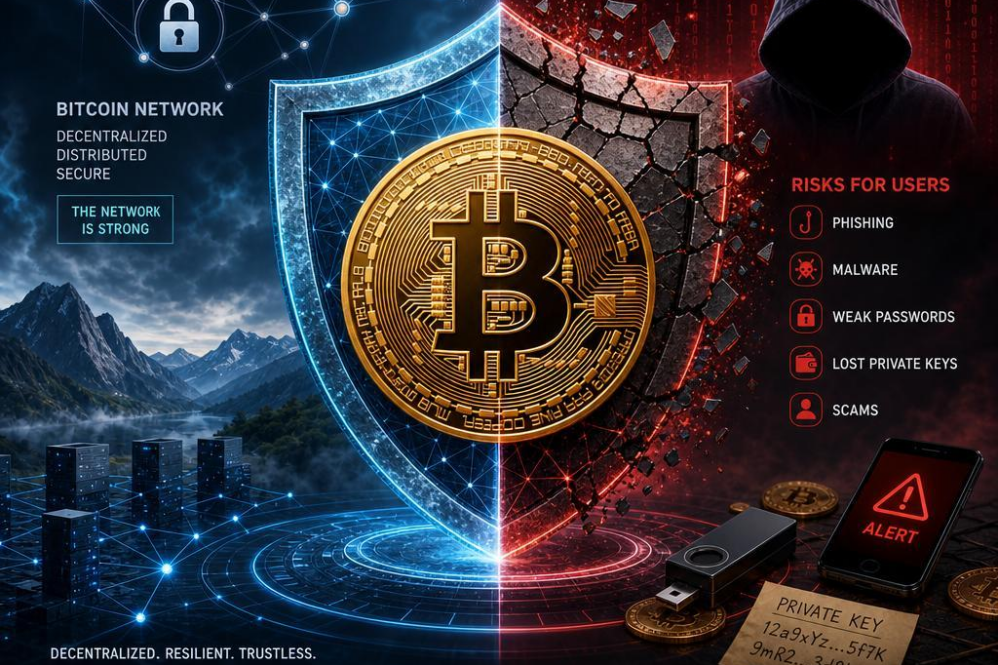
bitcoin’s blockchain is fundamentally designed to be tamper-resistant, leveraging a combination of cryptographic principles, decentralized consensusand economic incentives. Each transaction is grouped into blocks, which are then linked cryptographically to previous blocks, creating an immutable chain. Altering any block would require re-mining not only the targeted block but all subsequent ones with the same consensus rules, an endeavor that demands overwhelming computational power exceeding half of the entire network’s combined hash rate, a feat considered virtually unfeasible with today’s technology.
Several key mechanisms fortify bitcoin’s network security:
- Proof of Work (PoW): this mining process requires solving complex mathematical puzzles, making attacks cost-prohibitive.
- Decentralization: With thousands of nodes distributed worldwide, no single point of failure exists.
- network Transparency: All transactions are publicly verifiable, enabling participants to detect anomalies immediately.
Though, while the blockchain itself is robust, risks persist for users mostly through external factors. these include phishing attacks, wallet vulnerabilitiesor key mismanagement.Protecting private keys and using reputable, secure wallets remain essential safeguards. Below is a brief overview summarizing where security strengths lie and where user caution is paramount:
| Layer | Security Strength | Potential User Risks |
|---|---|---|
| Blockchain Protocol | Immutable, tamper-resistant, decentralized | Extremely low risk |
| Cryptographic Keys | strong encryption algorithms | Loss or theft of private keys |
| Wallets & Exchanges | Varies by provider security | Phishing, hacking, insider fraud |
Common Vulnerabilities for bitcoin Users and How to Mitigate Them
While the bitcoin network itself benefits from robust cryptographic protocols and decentralized architecture that offer strong security against hacking attempts, users remain vulnerable to several common risks.One of the moast frequent threats is phishing attacks, where malicious actors impersonate trusted sources to trick users into revealing private keys or passwords.Another significant concern is the use of weak or reused passwords across exchanges and wallets, which can be exploited by attackers using brute force or credential stuffing techniques.
To protect your bitcoin holdings, consider implementing multiple layers of defenses. Employing hardware wallets that store private keys offline dramatically reduces exposure to online threats. Always ensure you enable two-factor authentication (2FA) on your accounts, preferably through an authenticator app rather than SMS, which is vulnerable to SIM swapping.When managing transactions, double-check URLs and email sources to avoid phishingand keep wallet software updated to benefit from the latest security patches and improvements.
| Vulnerability | Risk | Mitigation |
|---|---|---|
| Phishing | Credential Theft | Verify URLs, Use 2FA |
| Weak Passwords | Account Compromise | Use Strong, Unique Passwords |
| Malware | Keyloggers, Trojan Attacks | Regular Antivirus, Hardware Wallets |
| SIM Swapping | 2FA Bypass | Authenticator Apps, Carrier Alerts |
Analyzing Historical bitcoin Security Breaches and Lessons Learned
Despite bitcoin’s underlying blockchain technology being remarkably resilient, its ecosystem has encountered several high-profile security breaches. these incidents rarely stem from flaws in bitcoin’s core protocol, but rather arise from vulnerabilities in third-party platforms such as exchanges, wallets, and custodial services. For instance, breaches like the Mt.Gox collapse in 2014 involved massive theft due to flawed security practices and internal mismanagement rather than a fundamental network compromise. Such historical events cast light on the crucial trust vectors outside the blockchain itself.
Key vulnerabilities consistently exploited include:
- Weaknesses in private key storage and management
- Targeted phishing attacks that trick users into revealing sensitive information
- Security lapses in hot wallets used by exchanges and online services
- Insider threats and poor operational controls within custodial platforms
To mitigate risks, the bitcoin community has emphasized best practices and improved protocols around user security. hardware wallets and multisignature schemes have gained widespread adoption, providing layers of protection beyond standard password-based controls. Educational campaigns also focus on securing private keys offline and recognizing social engineering tactics. The ongoing evolution shows that while bitcoin’s network itself remains mathematically secure, safeguarding the user environment and associated infrastructure is essential to preventing losses and maintaining trust.
Best Practices for Ensuring Personal bitcoin Wallet Security and Preventing Hacks
Maintaining the security of a personal bitcoin wallet requires vigilant and proactive measures against potential threats. Primarily,users must employ strong,unique passwords and leverage two-factor authentication (2FA) to add additional layers of protection. Never reuse credentials from other platformsand consider hardware wallets for high-value bitcoin holdings as they keep private keys offline, considerably reducing exposure to online hacks.
Equally vital is securing your digital environment. Regularly update your wallet software to patch known vulnerabilities and use reputable antivirus or anti-malware solutions to shield your device from malicious software. Be especially cautious with phishing attempts-never click on suspicious links or download unsolicited attachments claiming to be from wallet providers or exchanges. Emails and messages purporting to require immediate action are classic tactics to trick users into revealing sensitive information.
| Common Threat | Preventive Measure |
|---|---|
| Phishing and Social Engineering | Verify sources; avoid suspicious links |
| Weak Passwords | use password managers; strong unique passwords |
| Malware and Keyloggers | Keep software updated; install antimalware |
| Device Theft | Encrypt wallets; enable remote wipe |
Lastly, it’s essential to back up your wallet data securely. Store backup phrases or seed keys offline in a safe location, as losing access to these irreversibly compromises your bitcoin assets. Consider using fireproof and waterproof containers for physical backups. By integrating these practices into your bitcoin management routine, you greatly reduce the likelihood of falling victim to hacking attempts and preserve control over your digital wealth.