bitcoin Wallets Explained The Role of Private and Public Keys in bitcoin Storage Understanding Different Types of bitcoin Wallets Software Wallets Hardware Wallets Best Practices for securing Your bitcoin Wallet
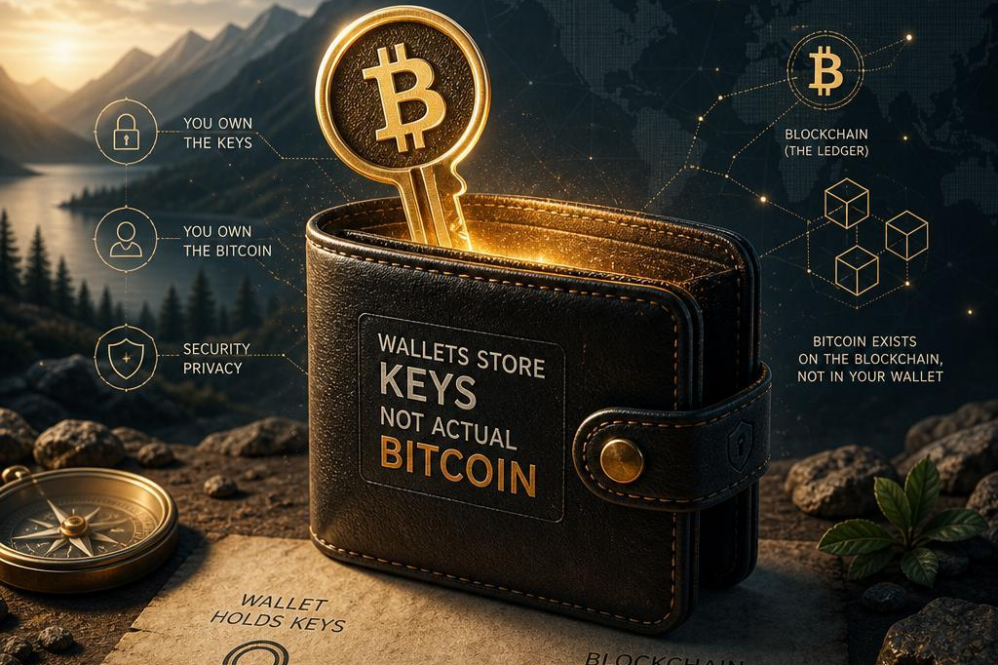
At the heart of bitcoin storage lie private and public keys, cryptographic codes that control ownership and access rather than the bitcoins themselves. A public key acts as an address visible to the network, much like an email address where funds can be sent, while the private key is akin to a password-strictly confidential and necessary for authorizing transactions. This system ensures that bitcoins are, in reality, entries on a decentralized ledger (the blockchain)and what the wallet stores is simply the keys allowing users to manage and transfer their digital currency securely.
There are various types of wallets designed to cater to different security needs and user preferences. Software wallets can be desktop, mobileor web-based, offering convenience and ease of access but generally being more vulnerable to hacking risks.On the other hand, hardware wallets provide an added layer of security by storing private keys offline on a physical device, insulating them from malware and cyber threats. The choice of wallet depends largely on whether usability or high security is the priority for the user.
| Wallet Type | Security Level | Best Use Case |
|---|---|---|
| Software Wallet | Medium | Daily transactions |
| Hardware Wallet | High | Long-term storage of large sums |
| Paper Wallet | High (Offline) | Cold storage / backup |
To safeguard the digital assets effectively, users must follow strict best practices. Thes include using strong, unique passwords, enabling two-factor authentication, regularly updating wallet softwareand keeping backups of private keys in secure, offline locations. Additionally, splitting private keys in different secret storage facilities can prevent a total loss in case of theft or damage. Understanding these roles and precautions empowers users to protect their cryptocurrency assets confidently and independently.