bitcoin Storage Fundamentals and the Role of Wallets
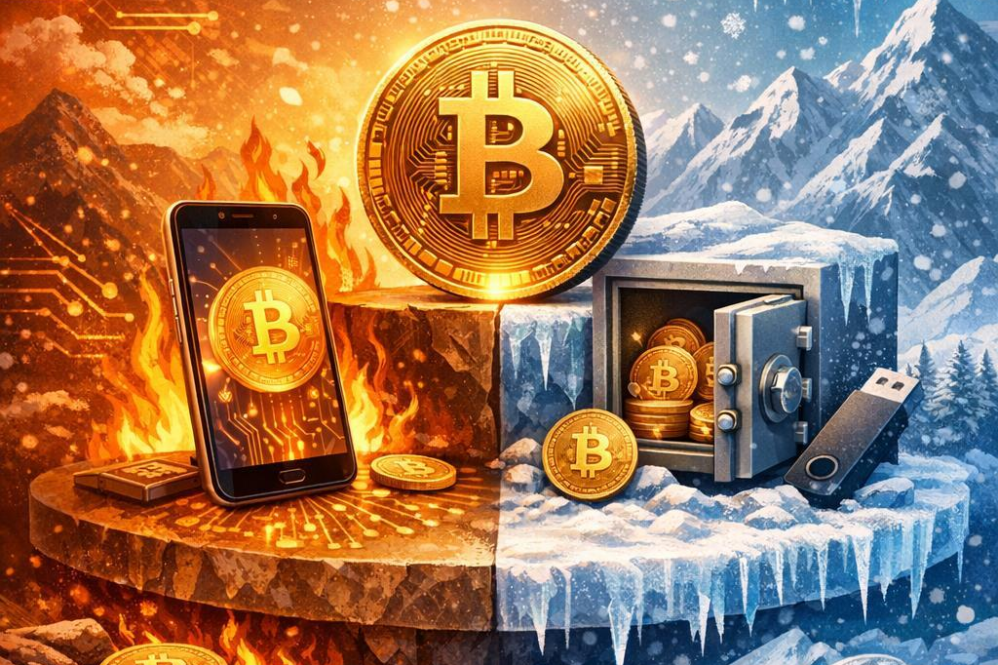
Safeguarding bitcoin requires keen attention to the method of storage, as it is fundamentally different from traditional currency handling. Wallets serve as the bridge between you and your digital assets, storing the cryptographic keys necessary to authorize transactions.The two primary types of wallets-hot wallets and cold wallets-cater to different user needs and risk tolerances. Hot wallets are connected to the internet, offering convenience and speedy access, ideal for frequent trading or spending. Conversely, cold wallets operate offline, emphasizing security and protection from cyber threats, making them the preferred choice for long-term holding.
Each wallet type comes with distinct advantages and vulnerabilities. Hot wallets provide ease of use with immediate transaction capabilities, suitable for small amounts and regular use. However, this connectivity also exposes them to hacking risks and malware. Cold wallets, conversely, like hardware devices or paper-based keys, eliminate online exposure but require physical safeguarding and can be less user-kind. The choice between the two frequently enough hinges on the user’s balance between security and accessibility, alongside their intended bitcoin use case.
| Feature | Hot Wallet | Cold Wallet |
|---|---|---|
| Internet Connectivity | Connected | Disconnected |
| Security Level | Moderate to Low | High |
| Accessibility | Immediate | Delayed |
| Ideal Use | Active trading, daily spending | Long-term storage |
- Hot wallets include mobile apps, desktop software, and web-based interfaces;
- Cold wallets include hardware devices, USB drives kept offline, and physical paper wallets;
- Combining both storage types, often called a hybrid approach, optimizes security without sacrificing usability.
Comparing Security Features of Hot Wallets and Cold Wallets
Hot wallets are designed for convenience, enabling frequent and easy access to bitcoin funds. Their primary security feature revolves around encryption and password protection, which guard against unauthorized access. Though, as hot wallets are continuously connected to the internet, they inherently carry a higher risk of hacking, phishing attacks, and malware infiltration. Many users supplement security by enabling two-factor authentication (2FA), but this does not eliminate the exposure to online threats.
On the other hand, cold wallets provide enhanced security by storing private keys offline, making them immune to remote hacking attempts. Common forms include hardware wallets and paper wallets, both of which isolate the bitcoin keys from internet-connected devices.This air-gapped approach drastically reduces vulnerabilities but demands rigorous physical security measures, such as safeguarding against loss, theft, or physical damage. Cold wallets are ideal for long-term holders who prioritize security over immediacy in transactions.
| feature | Hot Wallet | Cold Wallet |
|---|---|---|
| Connectivity | Online | Offline |
| Risk Level | Higher (cyber threats) | Lower (physical risks) |
| Access Speed | Instant | Delayed (manual connection) |
| Best Use Case | Everyday transactions | Long-term storage |
| Security Features |
|
|
usability and Accessibility Considerations for Different Wallet Types
Hot wallets are designed with convenience in mind, often featuring intuitive interfaces that allow users to quickly send and receive bitcoin. Their accessibility from mobile devices and desktop apps means transactions are seamless, but this ease of use can sometimes come at the expense of security. For many, the user experiance is centered around minimalist design and speedy authentication methods such as biometrics or PIN codes, which makes them ideal for daily spending but less suitable for long-term storage.
Conversely, cold wallets prioritize security over convenience, often requiring physical interaction to access funds. This can involve hardware devices with complex setup processes or paper wallets that demand careful handling and storage. While not as immediately accessible, cold wallets cater to users who value protection from digital threats and are comfortable managing slightly steeper learning curves. For beginners, the lack of integrated software can pose barriers, demanding more advanced understanding or assistance for safe usage.
| Wallet Type | Accessibility Features | Security Implications |
|---|---|---|
| Hot Wallet |
|
More exposure to online threats, reliant on device security |
| Cold Wallet |
|
Resistant to hacking, but risks from physical loss or damage |
Risk Management Strategies When Using Hot and Cold wallets
Effectively managing risks when storing bitcoin requires a clear understanding of the vulnerabilities unique to both hot and cold wallets. Hot wallets,being connected to the internet,are inherently more susceptible to cyberattacks such as phishing schemes,malware,and hacking attempts. To mitigate these risks, employ multi-factor authentication (MFA) and regularly update wallet software to patch security flaws. It’s also crucial to use reputable wallet providers and avoid storing large amounts of bitcoin in a single hot wallet, thereby limiting potential exposure if compromised.
Cold wallets, by contrast, offer enhanced security through offline storage, but they come with their own set of risks-primarily related to physical security and accessibility. Protect cold wallets with strong encryption and keep access keys in secure, separate locations. Employing a reliable backup strategy, such as distributing seed phrases across multiple trusted locations, can prevent permanent loss due to theft or damage. Utilizing hardware wallets with tamper-resistant features can further strengthen security while maintaining usability.
| Risk Type | Hot Wallet | Cold Wallet |
|---|---|---|
| Exposure | High due to internet connection | Low, offline storage |
| Accessibility | Immediate and convenient | Slower, requires physical access |
| Mitigation | MFA, regular updates, reputable providers | Encryption, physical security, backups |
- Combine wallets for diversified risk management.
- Implement strict access controls for both wallet types.
- Regularly review and update security protocols.
Best practices for Safely Storing bitcoin Assets
Prioritizing Security Over Convenience: When managing bitcoin assets, the foundation of secure storage lies in assessing the risk associated with each type of wallet. Hot wallets provide user-friendly access but are inherently connected to the internet, exposing holdings to potential cyber threats. Conversely, cold wallets operate offline, significantly reducing vulnerability. the safest approach combines both: small,readily available amounts in hot wallets for everyday transactions and the majority stored in cold wallets away from online hazards. This layered strategy helps users balance ease of use with ironclad protection.
Implementing Multi-Factor and Multi-Signature Controls: Enhanced security configurations can dramatically reduce the risk of unauthorized access. Multi-factor authentication (MFA) involves using multiple verification methods,such as passwords,biometrics,or one-time codes,adding an additional barrier even if one credential is compromised. Multi-signature (multi-sig) wallets require multiple private keys to authorize a transaction, ensuring no single party can move funds independently. Employing these protects against both external hacking attempts and internal errors or fraud.
practical Storage Recommendations: Below is a comparison table summarizing critical attributes to consider for each wallet type and their best use cases:
| Feature | Hot Wallet | Cold Wallet |
|---|---|---|
| Connectivity | Internet-connected | Offline |
| Security Level | Moderate | High |
| Recommended Use | daily transactions & trading | Long-term savings & large holdings |
| examples | Mobile wallets, desktop wallets | Hardware wallets, paper wallets |
Expert Recommendations for Choosing the Right Wallet Based on Investment Goals
Choosing the right wallet hinges on clearly defined investment objectives. For frequent traders and short-term holders, a hot wallet offers unparalleled convenience with rapid access to assets and seamless transaction capabilities. These wallets are connected to the internet, which facilitates real-time trading but inherently comes with a higher security risk. Thus, they are ideal for those looking to capitalize on market volatility or manage smaller portfolios where accessibility outweighs risk exposure.
Conversely, investors aiming for long-term asset security should gravitate toward cold wallets. These devices store bitcoin offline, significantly reducing the chances of cyber theft or hacking attempts. For portfolios exceeding average sizes or for those who prioritize asset preservation over liquidity, cold wallets represent a strategic choice. Notably, they also help safeguard assets from potential platform failures or regulatory disruptions affecting online services.
consider the following comparison to align wallet type with investment goals:
| Investment goal | Recommended Wallet | Rationale |
|---|---|---|
| day Trading / Active Use | Hot Wallet | Immediate access & high liquidity |
| Long-Term Holding | Cold Wallet | Maximum security & offline storage |
| Moderate Activity / Medium Sized Portfolio | Combination (Hybrid Approach) | Balance of security and convenience |
- Risk tolerance: Wallet choice must reflect how much risk you are prepared to accept.
- Portfolio size: Larger holdings demand more stringent security measures.
- Access needs: Assess the frequency and speed with which you need to move funds.