—
The Perils of Private Key Exposure
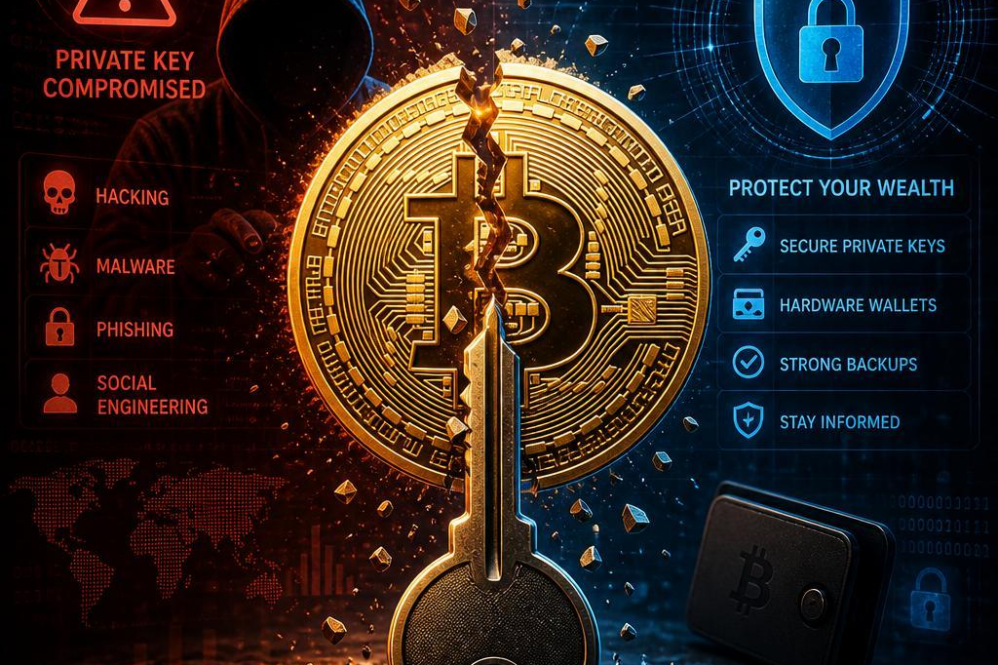
Imagine your bitcoin wallet is like a safe house with a single key-your private key. If that key falls into the wrong hands, it’s game over for your digital assets. Hackers can exploit compromised keys to make unauthorized transactions or steal your funds outright.
To understand how hackers manage to get hold of these precious keys, let’s look at some common tactics they use: phishing emails, malware-infected software downloadsand social engineering tricks designed to trick you into giving up sensitive facts. Once a hacker has access to your private key, the damage can be severe and hard to reverse.
So how do you protect yourself? The answer lies in adopting strong security practices. Start by storing your bitcoin in hardware wallets or cold storage solutions instead of online platforms where they’re more vulnerable to attacks. Keep your passwords robust and update them regularly. Encrypt any sensitive data when transferring it over the internet, and never underestimate the importance of vigilance.
Best Practices for Safeguarding Your bitcoin Private Keys
Securing your private keys is not just a good idea-it’s essential. Here are some key steps to take:
- Use hardware wallets.
- Encrypt all sensitive data transfers.
- Update security protocols regularly.
- Never reuse passwords across different accounts.
Essential Measures to Recover from a Private Key Breach
In the unfortunate event that your private key is compromised, swift action can help minimize damage. Start by revoking the compromised key and securing all points of entry again. It’s also wise to monitor for any unauthorized activity on your accounts.
By staying informed about potential threats and taking proactive measures, you can keep your bitcoin safe from prying eyes and malicious actors.
—