—
The Role of Scarcity in bitcoin’s Value
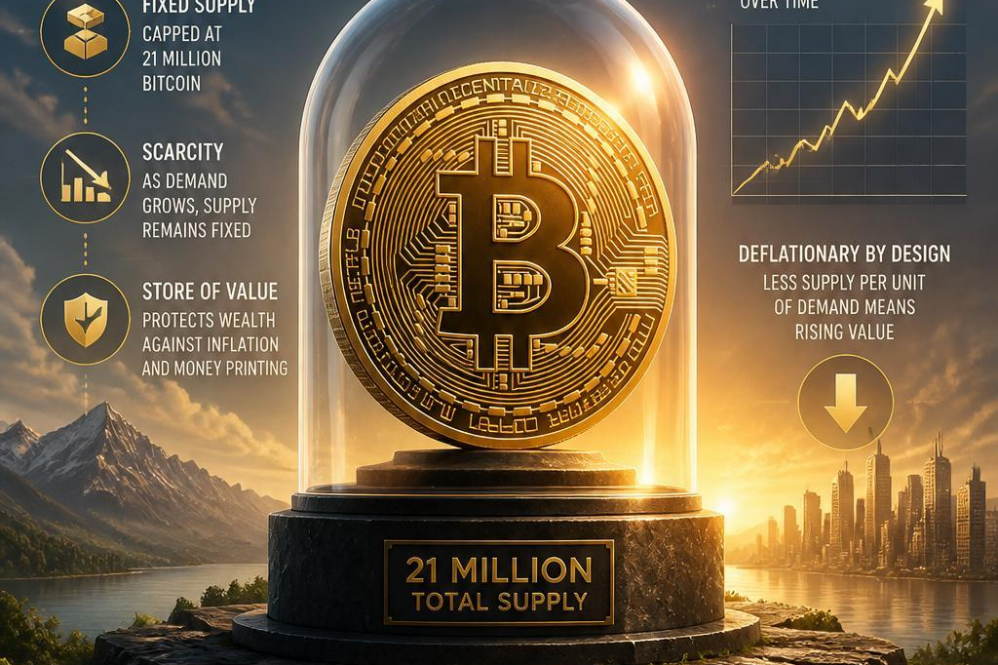
When discussing the economics of assets, scarcity is a key factor in determining both their immediate market value and their long-term appreciation potential. In the digital world, bitcoin stands out for its unique approach to scarcity. Unlike customary commodities,bitcoin’s supply is capped at 21 million coins,and this finite nature sets it apart from other assets.
The scarcity of bitcoin is enforced by its underlying algorithm, which includes a process called the Halving. Every four years, the reward for mining new bitcoin is cut in half, reducing the rate at which new coins enter circulation. This mechanism directly contributes to the deflationary nature of bitcoin, as it limits the supply even as demand grows. Over time, this scarcity can lead to notable price increases, aligning with the economic principle that decreasing supply enhances an asset’s value.
Understanding bitcoin’s mechanics goes beyond just supply and demand. As more bitcoin is lost or destroyed,the effective supply shrinks even before the next Halving occurs. This ongoing reduction in available bitcoin can further drive up its value, making it an appealing option for those looking to preserve wealth over the long term.
the scarcity of bitcoin, enforced by its capped supply and the Halving process, aligns with traditional economic principles that scarcity frequently enough correlates with value.This makes bitcoin an captivating asset for long-term investors who are looking for stable conditions that ensure their investments will appreciate over time.—