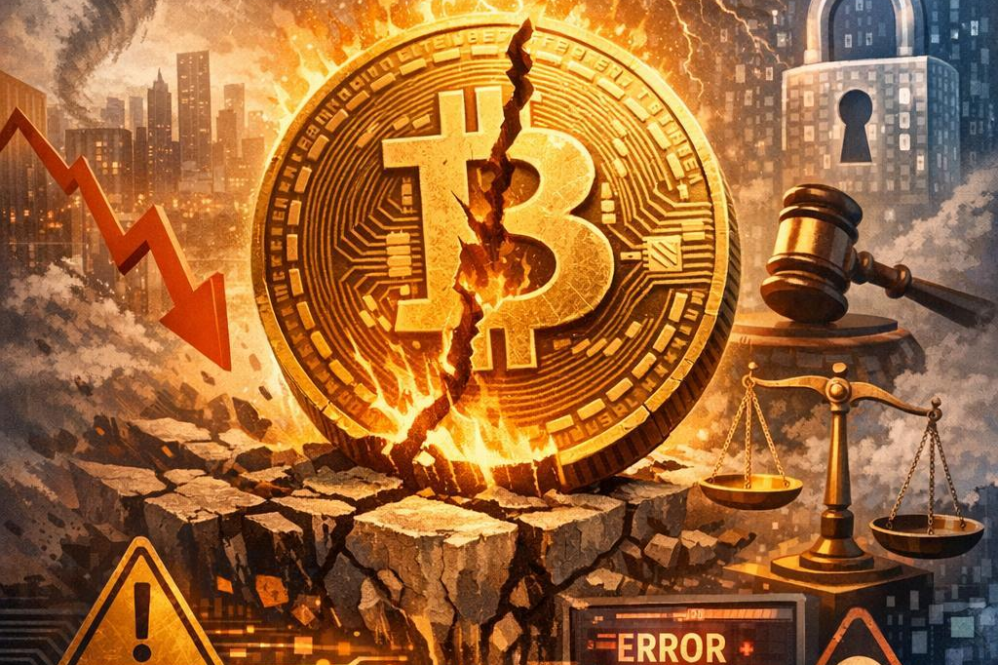
bitcoin Price Volatility and Its Impact on Investors
The highly erratic nature of bitcoin’s price stands as one of its moast defining characteristics and key sources of risk for investors. Sharp price swings can happen within minutes, driven by factors such as speculative trading, market sentiment shifts, and macroeconomic events. This unpredictability imposes notable challenges for portfolio management, often requiring investors to adopt robust risk mitigation strategies such as diversification or setting strict stop-loss orders to protect capital.
Investors also face psychological stress due to bitcoin’s volatility.Profits can surge rapidly, but so can losses, resulting in emotional decision-making that sometimes exacerbates market movements. Understanding the impact of this volatility on investor behavior is crucial. It often leads to a “fear and greed” cycle, causing impulsive buying or selling that detracts from long-term value accumulation goals. For those with lower risk tolerance, this habitat may prove unsuitable, emphasizing the importance of aligning bitcoin investments with personal financial capacity and risk appetite.
Key factors amplifying volatility include:
- Low market liquidity compared to conventional assets
- Heavy influence of news events and regulatory announcements
- Technological vulnerabilities and platform outages affecting trading confidence
| Volatility Driver | Impact on Investors | Mitigation Strategy |
|---|---|---|
| Speculative Trading | Sudden price spikes or drops | Use limit orders and avoid emotional trades |
| Regulatory News | Market uncertainty and speedy sell-offs | Stay informed and diversify holdings |
| technical Issues | Temporary exchange downtimes | choose reliable platforms and keep backups |
Navigating Regulatory Challenges in the bitcoin Ecosystem
As bitcoin continues to integrate into mainstream finance,understanding the regulatory landscape becomes critical for users and investors alike. Governments around the world adopt varied stances-ranging from outright bans to full embracement-frequently enough influenced by concerns over money laundering, taxation, and consumer protection. Navigating these complexities demands staying informed about jurisdiction-specific laws, which can shift rapidly as regulators strive to catch up with the fast-evolving cryptocurrency ecosystem.
Key regulatory challenges include:
- Unclear or inconsistent legislation across borders
- Intense scrutiny on exchange operators and wallet providers
- Obligations related to Know Your Customer (KYC) and Anti-Money Laundering (AML) compliance
To illustrate, here is a comparative snapshot of bitcoin regulatory approaches in different regions:
| Region | Regulatory Stance | Compliance Focus |
|---|---|---|
| United States | Moderate regulation with focus on securities laws | KYC/AML, taxation reporting |
| European union | Comprehensive framework under MiCA (markets in Crypto-Assets) | Licensing, consumer protections |
| China | Strict ban on cryptocurrency transactions | prohibition of exchanges and mining |
Effective navigation requires recognizing that regulators aim to balance innovation with risk mitigation. Engaging with legal experts, monitoring policy updates, and adopting compliant practices can definitely help safeguard investments against sudden regulatory shifts while supporting lasting growth within the bitcoin landscape.
Technical Vulnerabilities in bitcoin Network and Security Measures
Despite bitcoin’s robust cryptographic foundations, its network is not immune to technical vulnerabilities. The underlying protocol relies heavily on consensus mechanisms like Proof-of-Work, which can be targeted through attacks such as the 51% attack. In this scenario, a malicious actor controlling the majority of the network’s mining power can double-spend coins or censor transactions, challenging the integrity of the blockchain. Additionally, issues with software bugs and network forks may lead to chain splits, causing temporary confusion and uncertainty in transaction finality.
Another layer of risk stems from the wallet infrastructure, where private keys are stored. Vulnerabilities in wallet software, including inadequate encryption or susceptibility to malware, increase the risk of theft and loss of funds. Cold wallets, hardware wallets, and multi-signature solutions provide enhanced security but require users to maintain diligence against phishing and human error. Consequently, the safety of bitcoin holdings often depends as much on user practices as on the network’s intrinsic security features.
To mitigate these challenges,multiple security measures have been implemented or proposed:
- network decentralization: Encouraging a diverse mining ecosystem to reduce centralized control.
- Regular software audits: Ensuring the integrity and robustness of bitcoin client software.
- Layer 2 solutions: Utilizing off-chain protocols like Lightning Network to reduce transaction pressure and enhance security.
| Vulnerability | Security Measure | Effectiveness |
|---|---|---|
| 51% Attack | Mining Decentralization | High |
| Software bugs | Code audits & Updates | Moderate |
| wallet Compromise | Multi-Sig & Cold Storage | High |
Strategic Recommendations for managing Risks in bitcoin Investments
Effective management of bitcoin investment risks requires a diversified approach that balances potential rewards with inherent uncertainties. Investors should consider setting strict limits on the portion of their portfolio allocated to bitcoin to minimize exposure to sudden market swings.Employing stop-loss orders and regularly reviewing position sizes are practical measures that help contain losses during periods of extreme volatility. Additionally, combining bitcoin investments with more stable asset classes can cushion the impact of sharp price fluctuations.
Staying informed about the evolving regulatory landscape is equally crucial. Governments worldwide frequently update their stance on cryptocurrencies, which can dramatically affect bitcoin’s market dynamics. To navigate this, investors should:
- Follow credible legal sources and financial news to track regulatory changes.
- Consider jurisdictions with clearer or more favorable cryptocurrency policies.
- Seek professional advice to ensure compliance and optimize tax strategies.
This vigilance not only helps avoid legal pitfalls but also allows investors to anticipate market reactions to regulatory shifts.
technical risks inherent in bitcoin demand robust security practices. Utilization of hardware wallets, two-factor authentication, and keeping private keys offline are indispensable safeguards against hacking and theft. Moreover, knowing how to verify transaction authenticity and understanding blockchain fundamentals strengthen an investor’s confidence and operational security. The table below summarizes key protective measures against technical vulnerabilities:
| Risk type | Recommended Actions |
|---|---|
| Hacking | Use hardware wallets and 2FA |
| Phishing | Verify all transaction details carefully |
| Data Loss | Backup private keys offline securely |
| Software Bugs | Keep wallet software updated |

![Urgent: bitcoin crashing! Should i sell? [cryptocurrency perspective]](https://ohiobitcoin.com/wp-content/uploads/2018/12/XdpyiM.jpg "Urgent: bitcoin crashing! Should i sell? [cryptocurrency perspective]")