bitcoin Wallets explained The True Nature of private Keys The Misconception of Storing Actual Bitcoins How Wallet Types Impact Security Best Practices for Safeguarding Private Keys Choosing the Right Wallet for Your bitcoin Needs
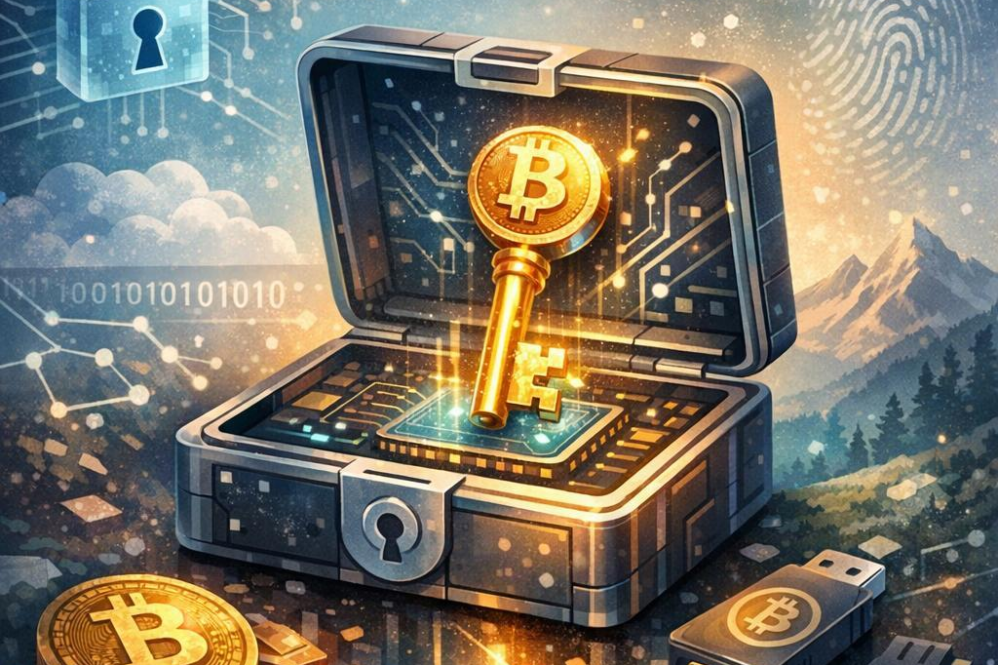
At the core of understanding bitcoin wallets lies the crucial differentiation between owning bitcoins adn controlling their access. bitcoin wallets do not actually store coins; instead, they securely hold private keys, cryptographic secrets that grant the authority too move those bitcoins on the blockchain. Possessing a private key essentially proves ownership, allowing you to sign transactions and manage your bitcoin holdings. The public blockchain remains the immutable ledger of transactions, while wallets act as personal vaults protecting access.
Not all wallets offer the same level of security and convenience – the landscape ranges from hardware wallets and software wallets to mobile apps and paper backups. Each type affects how your private keys are stored and protected. For instance, hardware wallets keep keys offline, considerably reducing exposure to hacking risks, while software wallets prioritize ease of access but demand more diligent digital hygiene. Understanding these distinctions is vital to matching wallet choice with your security needs and usage habits.
Best practices for safeguarding private keys include never sharing them, using multi-factor authentication when supported, and maintaining multiple secure backups disconnected from the internet. Consider the following table for wallet types and their security implications:
| wallet Type | Key Storage | Security Level | Ideal For |
|---|---|---|---|
| Hardware | Offline device | High | Long-term holders,high-value storage |
| software (Desktop/Mobile) | Encrypted local storage | Medium | Daily transactions,convenience seekers |
| paper | Physical printout of keys | High (if kept secure) | cold storage enthusiasts |
| web/Cloud | Online servers | Low to medium | Quick access users,small amounts |