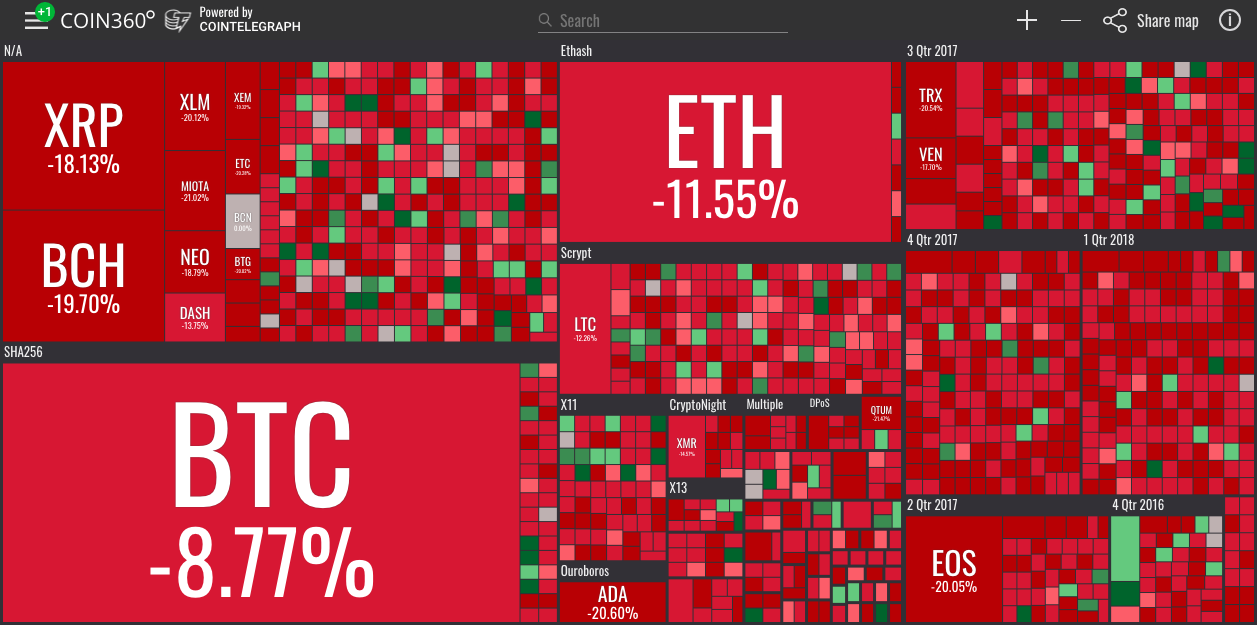
The bitcoin winter of 2018 saw many investors’ portfolios bounce back once the market stabilized. This experience taught many to adopt a long-term view,focusing on the fundamentals rather than daily market swings. Investors are learning to tune out short-term noise and instead follow macro trends that historically drive sustained growth.
One of the biggest takeaways from watching bitcoin weather market storms is the importance of diversifying your holdings.A portfolio that includes a mix of customary assets, option coinsand stablecoins can act as a buffer against extreme volatility. This approach allows for strategic asset allocation, reducing the risk of total loss while capturing the upside potential of bitcoin and other high-growth cryptocurrencies. Below is a basic example of how one might diversify, balancing risk with reward.
Another critical lesson is the value of continuous education and staying informed through reliable sources. A lack of understanding can lead to impulsive decisions during sudden market downturns. Engaging with community discussions, following industry newsand studying the technology behind bitcoin helps build a solid foundation of knowledge. This informed approach helps in making more rational decisions based on facts rather than reacting to speculative hype. In essence, bitcoin’s resilience is not just a test of market strength but also a call to arms for investors to arm themselves with knowledge and patience.
| Asset Type | Percentage Allocation | Key Considerations |
|---|---|---|
| bitcoin | 70% | Long-term outlook,high potential returns |
| Altcoins | 20% | Innovation,diversification benefits |
| Stablecoins | 10% | Stability,liquidity during volatility |
Building Resilient Portfolios with bitcoin Assets
bitcoin’s reputation as a store of value has grown over the years,notably as its proponents have weathered volatile market conditions. Critics often question the asset’s stability during downturns, but bitcoin has demonstrated durability through repeated market crashes and bear markets.This resilience is a testament to bitcoin’s fundamental principles and its unique place in the global economy.
In times of economic turbulence, bitcoin serves as a hedge against inflation and currency devaluation, factors that can devastate traditional investment portfolios. Its decentralized nature and limited supply make it an attractive alternative to fiat currencies that suffer from central bank manipulations and political uncertainty. When major economies face financial stress, such as during the 2008 financial crisis and the subsequent years, bitcoin’s value frequently enough stabilizes or even increases, providing a solid foundation for diversified investment strategies. This characteristic makes it a valuable addition for both seasoned and novice investors seeking to safeguard their assets.
Consider building a resilient portfolio by integrating bitcoin alongside traditional assets. As an example, a balanced portfolio might include stocks, bonds, real estateand a small percentage of bitcoin. A well-diversified strategy mitigates the risks associated with any single asset category. Below is a simple example to illustrate how bitcoin can complement other investments:
| Asset Type | Percentage Allocation | Role in Portfolio |
|---|---|---|
| Stocks | 50% | Growth |
| Bonds | 30% | Stability |
| Real Estate | 10% | Investment/Income |
| bitcoin | 5% | Hedge Against Inflation |
By thoughtfully assessing your risk tolerance and investment goals,you can craft a robust portfolio that benefits from the volatility-resistant nature of bitcoin.
Navigating Bear Markets: Insights for Long-term Investors
Navigating through bear markets is like steering a ship through rough seas-demanding and uncertain, but if managed well, it can chart a course for long-term gains. During periods of important price declines and high market volatility, it’s crucial for investors to remain steadfast and avoid panicking. As long-term holders, they should view bear markets as opportunities to rebalance their portfolios, rather than as threats to their investment strategies. One of the key lessons during bear markets is not to abandon a well-thought-out plan based on short-term market movements. Instead, focus on research, understanding the market dynamicsand using downturns to add to positions at lower, more favorable prices.
bitcoin, in particular, has shown a remarkable ability to recover and thrive despite multiple bear markets since its inception. Over several years, the digital currency has proven its resilience, bouncing back stronger after each downturn. Its decentralized nature and finite supply create a unique investment dynamic, distinct from traditional assets. For investors looking to ride out the stormy periods, the history of bitcoin provides valuable insight. During each bear market,some early investors have patiently accumulated more bitcoin at lower prices,setting the stage for significant gains once the market turns. This strategy underscores the importance of holding through downturns rather than selling off during panic.
To stay ahead in bear markets, long-term investors can adopt several strategies. Focus on thorough research and diversification. While bitcoin frequently enough dominates conversations during high volatility, it’s crucial not to overlook the broader cryptocurrency ecosystem and other investment opportunities. Establish and stick to a stable investment plan, which minimizes emotions and maximizes rational decision-making.Staying informed about market trends through trusted sources can definitely help in understanding the market better and spotting recovery signals.
| Action | Benefit |
|---|---|
| Holding Through Downturns | Increases buying power when prices are low |
| Diversifying Investments | Safeguards against broad sector risks |
| Investing at Lower Prices | Lowers overall asset cost |