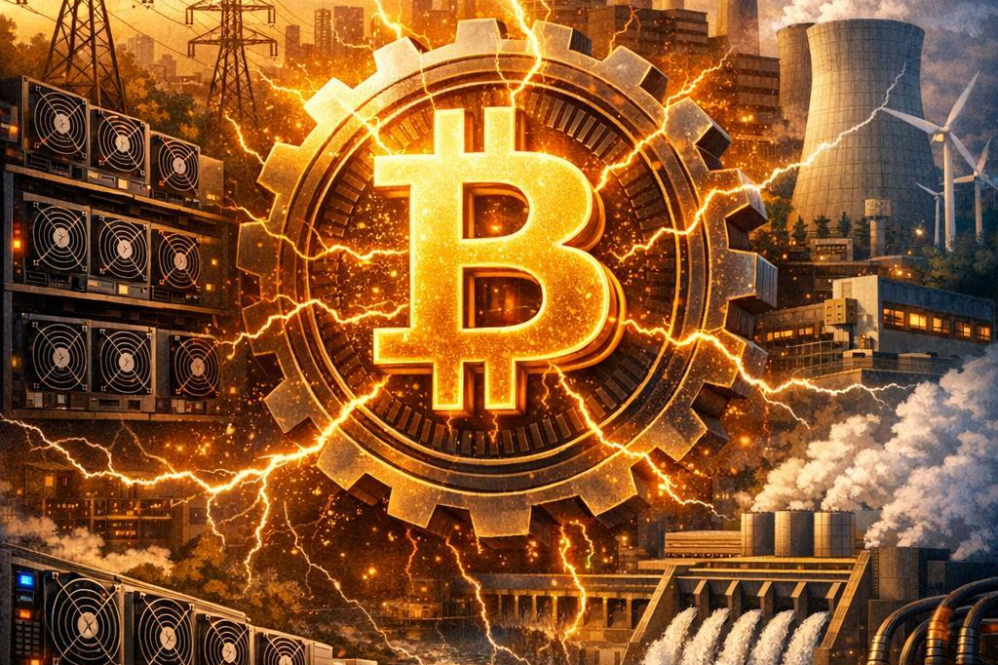
bitcoin Mining Fundamentals and Energy Use
bitcoin mining relies on a decentralized network of computers solving complex cryptographic puzzles to validate transactions and secure the blockchain. This process, known as proof-of-work, demands immense computational power, which translates directly into huge energy requirements. Each miner competes to solve these puzzles first, and the reward system incentivizes continuous operation of powerful mining rigs, driving electricity consumption upward. The higher the network difficulty, the more energy miners must expend to maintain competitive efficiency.
Key factors driving energy consumption include:
- Mining hardware intensity: Modern ASIC (Application-Specific Integrated Circuit) miners operate at peak performance but consume significant power compared to earlier setups.
- Operational scale: Large-scale mining farms, often spread across multiple locations, maintain thousands of machines running 24/7.
- Cooling requirements: Intense heat generation necessitates active cooling solutions, which add to the overall electricity demand.
| Component | Electricity Use (kWh) | Impact |
|---|---|---|
| ASIC Miner (per unit) | 1.5 | High consumption |
| Cooling Systems | 0.5 | Moderate consumption |
| Network Operations | 0.2 | Low consumption |
Each component collectively contributes to the vast electricity footprint that characterizes bitcoin mining today, posing ongoing challenges to sustainability and energy resource management.
Technical Drivers Behind bitcoin’s Electricity Demand
bitcoin mining operates on a process called Proof of Work (PoW), which fundamentally drives its significant electricity consumption. Miners compete to solve complex cryptographic puzzles, requiring powerful computing hardware that operates continuously. The difficulty of these puzzles adjusts dynamically to maintain a consistent block creation time of approximately 10 minutes, ensuring network security but also escalating computational effort-and consequently, energy use. This relentless demand for processing power underpins why mining rigs must run 24/7 at full capacity.
Hardware efficiency and scale serve as key technical components shaping electricity demand. Early mining was done with ordinary CPUs, but as competition intensified, mining hardware evolved to specialized Application-Specific Integrated Circuits (ASICs). These devices are optimized for hashing operations but consume significant electricity. additionally, miners cluster vast quantities of ASICs into data centers, amplifying energy draw. This scale economy pushes energy use higher while continuously striving to maximize hash rates per watt.
Another critical factor is the blockchain design itself, which incentivizes sustained energy inputs to secure network integrity and resist attacks. The reward system grants newly minted bitcoins to miners who successfully add validated blocks, fostering a competitive surroundings where energy-hungry machines persistently aim to outpace peers. Below is a simplified comparison of how different mining setups impact electricity consumption and hashing power:
| Mining setup | estimated Power (Watts) | Hash Rate (TH/s) |
|---|---|---|
| CPU mining | 65 | 0.0001 |
| GPU Rig | 1500 | 0.5 |
| ASIC Miner (Modern) | 3250 | 100 |
Environmental Impacts of Intensive bitcoin Mining
bitcoin mining’s demand for electricity is staggering, largely driven by the computational power required to solve complex cryptographic puzzles. This process, known as proof-of-work, results in continuous operation of specialized hardware called ASICs, which consume massive amounts of energy.Globally, bitcoin mining farms often rely on electricity generated from fossil fuels, contributing to increased carbon emissions and exacerbating climate change concerns.
The industry’s environmental footprint extends beyond just power consumption.Mining operations can lead to significant electronic waste due to the rapid obsolescence of mining rigs, which become inefficient within a short timeframe. Additionally, the concentration of mining farms in regions with lax environmental regulations often leads to overlooked ecological disturbances, including air pollution and water resource strain. these factors combine to pose critical challenges to sustainable technology practices.
| Impact | Description | Estimated contribution |
|---|---|---|
| Electricity Usage | Operational power for mining hardware | Over 90 TWh annually |
| Carbon emissions | From coal and natural gas electricity | 40+ million tons CO₂/year |
| E-waste Generation | Discarded ASIC mining devices | Estimated 30,000+ tons/year |
- High energy intensity drives up environmental costs drastically compared to conventional financial systems.
- Mining’s geographical concentration can worsen local ecological degradation and pollution levels.
- Transitioning to renewable energy sources remains critical but faces technical, economic, and regulatory hurdles.
Economic Trade-offs in bitcoin Energy Consumption
bitcoin mining’s energy consumption presents a complex economic puzzle. On one side, the vast electricity usage drives up operational costs, pushing miners to seek the most affordable power sources to maintain profitability. This dynamic can stimulate innovation in energy procurement, encouraging investments in renewable energy or energy-efficient technologies to reduce overhead. Though, the rising demand for cheap electricity occasionally redirects resources from other productive sectors, creating regional distortions in energy availability and pricing.
Economic trade-offs become evident when balancing the benefits and costs of mining:
- Mining generates substantial revenue streams for early adopters and hardware producers.
- Excessive energy consumption can provoke regulatory scrutiny and potential restrictions.
- Prices influence market entry barriers, potentially centralizing mining power among large players.
| Factor | Economic Impact | Energy Implication |
|---|---|---|
| Electricity Cost | Determines profit margins | Drives search for low-cost sources |
| Mining Difficulty | Increases hardware investment needs | Requires more computational power |
| Regulatory Environment | Can impose operational constraints | May limit energy access or usage |
Innovations in Sustainable bitcoin Mining Practices
To tackle the environmental impact of bitcoin mining, innovators are turning toward disrupting the traditional energy consumption model. A key approach involves integrating renewable energy sources such as solar,wind,and hydropower into mining operations. This shift significantly reduces carbon footprints and aligns mining with global sustainability goals.Facilities located near natural renewable resources can drastically cut electricity costs while boosting mining efficiency, establishing an eco-friendly framework for crypto mining.
moreover, there is the rise of energy reuse strategies where excess heat generated by mining rigs is captured and repurposed.some miners channel this thermal energy into heating buildings, greenhouses, or even aquaculture farms, converting what was once waste into a valuable resource. this circular approach not only minimizes environmental damage but also improves overall operational economics through diversified utility.
Innovative hardware and algorithmic improvements are another frontier. Modern mining equipment now prioritizes energy efficiency by incorporating advanced chips that perform computations with less power. Coupled with software that optimizes processing loads based on energy availability, these upgrades enable miners to balance performance with sustainability. Below is an overview of the key sustainable innovations currently shaping the future of bitcoin mining:
- Renewable energy integration: Transitioning operations to solar, wind, hydroelectric sources.
- Heat recovery systems: Capturing and repurposing thermal waste from mining rigs.
- Energy-efficient mining hardware: using advanced processors designed to lower power consumption.
- Smart load balancing: Algorithmic management to optimize power use during peak and off-peak times.
| Innovation | Impact | Adoption Rate |
|---|---|---|
| Renewable Energy Use | Significant carbon footprint reduction | Growing rapidly in regions with rich renewables |
| Heat Recovery Systems | Reduced energy waste,improved efficiency | emerging,with pilot projects worldwide |
| energy-Efficient Hardware | Lower power consumption per hash | Mainstream among new mining setups |
Policy Recommendations for Regulating bitcoin Energy Use
Mitigating bitcoin’s environmental footprint demands a forward-thinking regulatory framework that balances innovation with sustainability. First, policymakers should implement enforceable energy consumption caps for mining operations, prioritizing permits for miners who utilize renewable energy sources. This can be achieved through mandatory reporting mechanisms that require miners to disclose their energy sources and consumption levels, thereby promoting transparency and accountability within the industry.
Secondly, incentivizing cleaner mining technologies via tax credits or subsidies can accelerate the shift away from fossil fuel-dependent operations. Governments might also consider establishing a tiered fee system where mining activities with higher carbon footprints bear increased operational costs. This economic disincentive would inherently favor greener alternatives and stimulate investments in energy-efficient mining hardware and infrastructure.
Lastly, international cooperation is crucial given the globalized nature of bitcoin mining. Standardized regulations and shared environmental benchmarks can prevent regulatory arbitrage, where miners relocate to regions with lax policies. A collaborative approach can be summarized in the following table:
| Policy Action | Objective | Expected Outcome |
|---|---|---|
| Energy Consumption Caps | Limit excessive electricity use | Reduced carbon emissions |
| Renewable Energy Incentives | Promote sustainable power sources | Increase in green mining |
| international Regulatory Standards | Prevent mining migration to lax regions | Global environmental compliance |