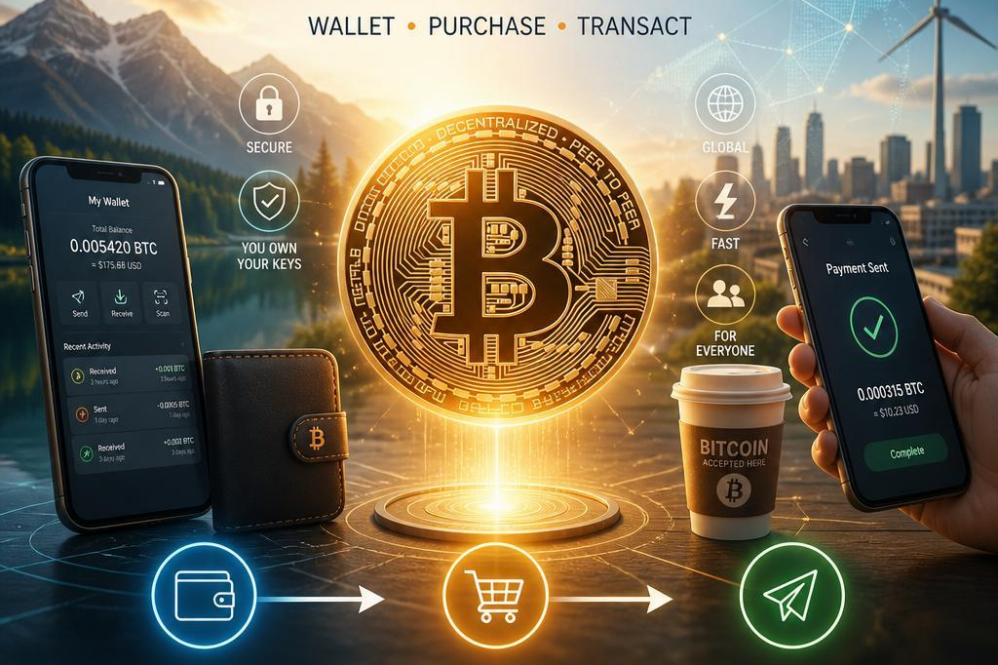
How to Choose the Right bitcoin Wallet for Secure Storage Understanding the Process of Purchasing bitcoin Safely and Efficiently Best Practices for Making bitcoin Transactions with Confidence Managing bitcoin Risks and Ensuring Compliance in Everyday Use
Selecting the right bitcoin wallet is fundamental for securing your digital assets. Wallets vary primarily in their storage methods: hot wallets provide fast, online access but present higher vulnerability to hacking, while cold wallets keep your keys offline, enhancing security at the cost of convenience.When choosing,consider your balance between accessibility and protection.Additionally, look for wallets with multi-factor authentication, backup options, and compatibility with your preferred devices. Prioritize reputable providers that offer clear security protocols and regular updates, safeguarding your investment against evolving threats.
Purchasing bitcoin safely requires a thorough understanding of the available platforms and procedures. Reputable exchanges frequently enough implement strict verification methods and provide strong buyer protections.When buying, it’s crucial to:
- Verify the platform’s regulatory compliance and reputation.
- Use secure payment methods such as bank transfers or credit cards with fraud protection.
- Enable all available security features including 2FA (two-factor authentication).
Staying informed about current market prices and transaction fees helps avoid overpayment and ensures efficient trading.
Confident bitcoin transactions depend on best practices and awareness of risks. Always confirm recipient addresses meticulously and use transaction memos where applicable to prevent errors. Risk management extends to regular monitoring of transaction confirmations and wallet activity. Compliance with local regulations and tax obligations is essential to avoid legal issues. Below is a quick reference table summarizing critical transaction best practices:
| Practice | Purpose | Tip |
|---|---|---|
| Address Verification | Prevent funds sent to wrong recipient | Double-check QR codes and copied addresses |
| Transaction Confirmation | Ensure completion and security of transfer | Monitor blockchain explorers for status |
| Regulatory Compliance | Stay legally compliant with local laws | Keep updated on tax reporting and KYC rules |