bitcoin Integration in Retail environments Transforming Consumer Transactions
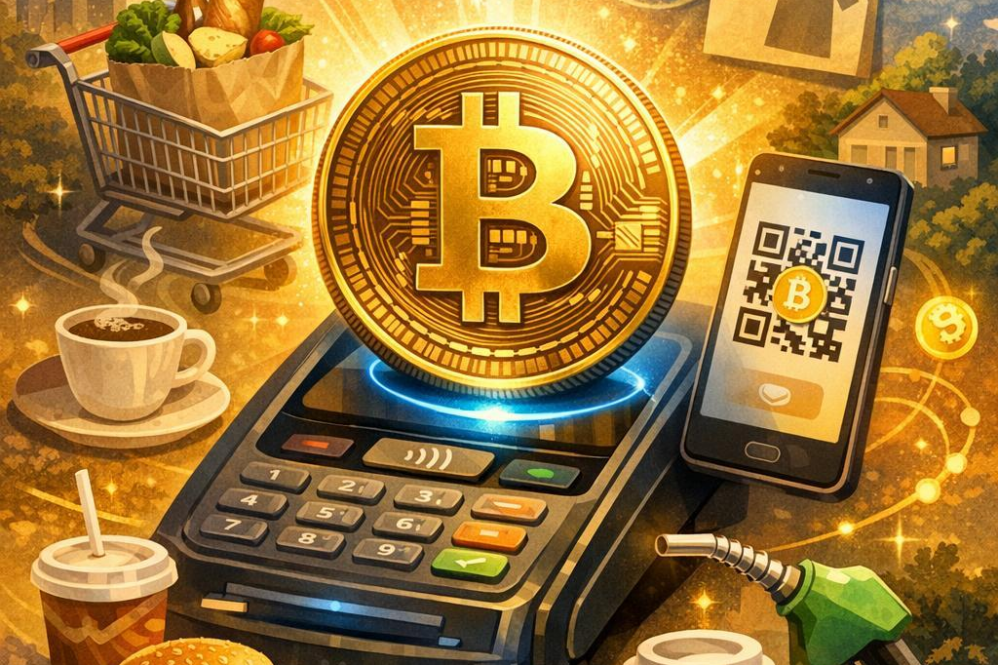
As digital currencies continue to evolve, bitcoin’s footprint in everyday retail transactions is rapidly expanding. Retailers worldwide are embracing this decentralized payment option to cater to a tech-savvy clientele seeking faster and more secure payment alternatives. From convenience stores to major retail chains, the integration of bitcoin is not just a trend but a transformative movement reshaping how consumers approach daily purchases.
Retail adoption varies greatly across regions and industries, influenced by regulatory environments, technological infrastructure, and consumer demand. While some sectors like electronics and specialty goods have enthusiastically adopted bitcoin payments, others remain cautious or slower to integrate due to volatility concerns and legacy payment systems. This diversity underscores the evolving nature of bitcoin’s acceptance, reflecting a landscape were innovation meets practicality.
| Retail Sector | bitcoin Acceptance Level | Common Payment Methods Integrated |
|---|---|---|
| Electronics | High | bitcoin, Credit Cards, Mobile Pay |
| Food & Beverage | Medium | bitcoin, Cash, Mobile Pay |
| Clothing & Apparel | Low | Credit Cards, bitcoin (select stores) |
Consumers benefit from enhanced transaction speed, reduced fees, and improved privacy when using bitcoin, which encourages further use and retailer adoption. As more wallets and payment gateways simplify the bitcoin checkout process, the friction of using cryptocurrency at the point of sale diminishes, making this payment method increasingly accessible and practical for everyday purchases.
Analyzing Compatibility and Limitations of bitcoin Payment Systems
The evolution of bitcoin payment systems has brought forward a diverse ecosystem of wallets, payment processors, and merchant tools, each presenting unique features tailored for consumer convenience and security. Though, the market is fragmented, and not all solutions ensure seamless interoperability. For merchants and consumers, this presents challenges in transaction speed, fee structures, and user experience, leading to varied acceptance rates in everyday purchases.Understanding the compatibility of these systems with existing financial infrastructures remains a critical step towards broader adoption.
A meaningful limitation lies in the scalability and transaction throughput of bitcoin’s underlying network. While layer-two solutions like the Lightning Network address these constraints by enabling faster and cheaper micropayments, not all payment systems fully integrate these technologies. Consequently, some platforms struggle with higher confirmation times and costs during peak network usage, which can deter both merchants and buyers. Additionally, volatility in bitcoin’s price adds complexity to pricing goods and services accurately, requiring dynamic exchange rate tools that vary in sophistication.
Key factors influencing the practical use of bitcoin payments can be summarized as follows:
- Transaction Speed: Instant vs. delayed confirmation mechanisms.
- Fee Structures: Fixed, variable, and zero fees in different wallets.
- Integration Ease: Plug-and-play solutions versus custom API work.
- Volatility Mitigation: Real-time fiat conversion tools embedded in the system.
- Regulatory Compliance: KYC and AML adherence affecting accessibility.
| Aspect | Strength | Limitation |
|---|---|---|
| Transaction Speed | Lightning Network enables near-instant payments | Main chain confirmations can take 10+ minutes |
| Fees | Micropayment-friendly with layer-two | High during network congestion |
| Integration | Plug-ins available for major e-commerce platforms | Smaller merchants need custom setup |
| Volatility | Real-time conversion tools stabilize prices | Price swings create uncertainty for sellers |
Strategies for expanding merchant Adoption and Consumer Usage
To broaden the embrace of bitcoin among merchants, businesses must emphasize seamless integration and clear benefits. Offering easy-to-implement payment gateways that are compatible with existing e-commerce platforms can considerably reduce the technical barrier. Additionally, promoting incentives such as lower transaction fees compared to conventional credit card payments encourages merchants to consider bitcoin as a viable option. Educational campaigns targeting business owners that focus on security,transparency,and the global reach of bitcoin payment systems are also pivotal in building trust and interest.
On the consumer side, convenience and trust are key drivers in expanding bitcoin usage. Introducing user-friendly wallets and mobile payment apps that simplify the transaction process fosters day-to-day adoption. Reward programs that offer cashback or discounts when using bitcoin for purchases encourage habitual use. Moreover, educating consumers on the security measures and irreversible nature of bitcoin payments can demystify the technology and reassure users hesitant about digital currencies.
| Strategy | Target Group | Key Benefit |
|---|---|---|
| Integration Tools | Merchants | Easy adoption with existing systems |
| Incentive Programs | Merchants & Consumers | Lower fees & consumer rewards |
| Educational Campaigns | general Public | Builds trust and awareness |
Practical Guidelines for Using bitcoin Confidently in Daily Purchases
When integrating bitcoin into your daily spending habits, it’s essential to start with merchants and platforms known for reliably accepting cryptocurrency payments. Prioritize vendors who offer clear pricing in bitcoin or who convert amounts at competitive exchange rates without hidden fees. To minimize risks related to price volatility, consider using wallets or payment processors that support instant bitcoin-to-fiat conversion. this practice ensures that you pay the agreed fiat value at the moment of purchase, protecting you from sudden fluctuations in bitcoin’s market value.
It’s crucial to maintain security and privacy:
- Use hardware wallets or trusted multi-signature wallets to safeguard your funds.
- Regularly update your payment apps to stay protected against vulnerabilities.
- Opt for pseudonymous transactions where possible to increase privacy without compromising compliance.
By adopting sound wallet management and cautious transaction practices, users can confidently navigate the growing ecosystem of bitcoin-accepting retailers.
| Spend Type | bitcoin Acceptance | Recommended Wallet |
|---|---|---|
| Online Retail | Widespread | Mobile Wallets with Instant Conversion |
| In-Person Shops | Limited, Growing | Hardware Wallet or NFC-Enabled App |
| Services & Subscriptions | Moderate | Multi-Sig Wallets for Security |
Lastly, stay informed about the evolving regulatory landscape in your region. Government policies can impact your ability to use bitcoin for everyday purchases, including reporting obligations or tax implications. Keep compliant by maintaining clear records of transactions and using services that facilitate tax reporting. Adopting these practical measures enables a smoother and more confident experience when spending bitcoin in your day-to-day life.