October 5, 2026

Capitalizations Index – B ∞/21M

Bitcoin Beats Gold as New Flight Capital

Bitcoin beats gold as new flight capital

Bitcoin Beats Gold as New Flight Capital

Adam James · May 10, 2018 · 8:00 am

The bitcoin-versus-gold debate is certainly nothing new, but there’s one aspect in which the gold standard of cryptocurrency beats out the gold standard of historical currency hands down.


bitcoin Beats Gold

In the battle between bitcoin and gold, the former certainly comes out the winner in a variety of categories.

As noted by Forbes, gold doesn’t function well as currency, is insecure, experiences price volatility not too far removed from digital assets, and cannot easily be digitized. Meanwhile, bitcoin is steadily moving towards mainstream adoption as a viable currency, is highly secure, and allows for cross-border transfers of value in a matter of hours at most. Furthermore, mining real gold uses a tremendous amount of energy and has an environmental impact vastly more significant than bitcoin mining.

However, there’s one category in which bitcoin trounces gold that has largely gone overlooked — it’s become the dominant form of flight capital.

Bitcoin versus gold

What Is Flight Capital?

Flight capital, generally speaking, is money transferred abroad to either avoid taxes and/or inflation or provide for possible emigration — particularly in times of war.

To put it simply, if the brown stuff hits the fan and you’ve got to pack up and move, it’s a lot easier to take your Bitcoin with you than it is to lug around a bag of gold. As noted by Clem Chambers, CEO of ADVFN.com and author of Be Rich, The Game in Wall Street and Trading Cryptocurrencies: A Beginner’s Guide:

When Little Rocket Man was wrestling Big Rocket Man, gold didn’t react, but bitcoin went off the dial every night. You can’t head for the airport with gold bars these days, and opening a foreign bank account is a thankless task that can take months or never get done. A normal person sweating a war isn’t a billionaire with a private office, but in the old days they might have stashed a few thousand or even hundreds of thousands in gold if they thought the balloon was going up.

Today you’d stash it in bitcoin and be safe in the knowledge that you could fly away on holiday somewhere safe for a few months and your stash would be as safe as the place your hid you private keys.
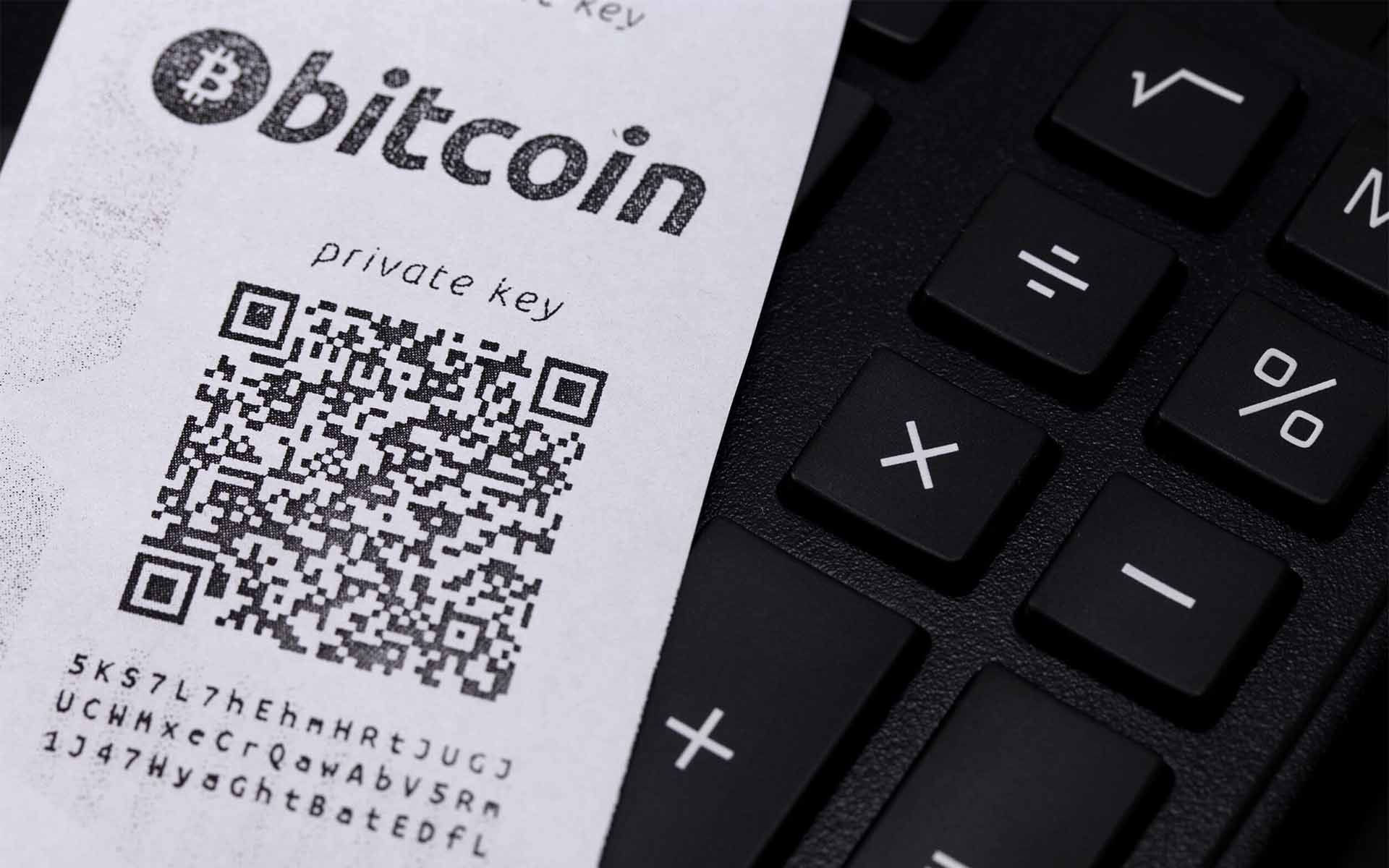
Bitcoin

Of course, nobody wants a war — but should one happen, cryptocurrency investors and early adopters will be the ones set to remain most secure in their wealth. Concludes Chambers:

Now Etherium, bitcoin, Ripple, Litecoin and a myriad of crypto will get the attention that gold once enjoyed.

Its bad news for grumpy old men but good news for crypto-believers and a new trading opportunity for us.

What do you think about bitcoin and other cryptocurrencies as the new form of flight capital? Do you think conflict and war only increase the demand for digital currencies and assets? Let us know in the comments below!


Images courtesy of Bitcoinist archives and Shutterstock.

bitcoinFlight CapitalgoldInvestmentwar Show comments

Published at Thu, 10 May 2018 12:00:23 +0000

bitcoin

Previous Article

What is BitcoinZ? How Does Bitcoin 2.0 Work?

Next Article

Interview: NANO Lead Dev Talks Zero-Fee Transactions, $170 Million BitGrail Theft

You might be interested in …

Morgan Stanley Analyst: True Price of Bitcoin Could Be Zero

In a recent report sent out to clients, Morgan Stanley analyst James Faucette cautioned that the “true” value of bitcoin might actually be zero.


Zero. Zip. Nada.

The report, titled bitcoin Decrypted, discussed the difficulty in ascribing value to the digital currency, noting that it behaves like neither a currency nor a store-of-value commodity like gold, silver, etc… Examining several key factors, Faucette points out:

  • bitcoin can’t be valued as a currency because it has no associated interest rate;
  • It may be likened to digital gold but, unlike gold itself, which is used in electronics, jewelry, etc.., bitcoin has no inherent use*;
  • While it is technically a payment network, bitcoin is difficult to scale and charges no transaction fee*;
  • bitcoin’s average daily trade volume over the last 30 days is only $3 billion* compared to $5.4 trillion in the FX market;
  • The estimated daily purchase volume for bitcoin is less than $300 million compared to Visa’s $17 billion

Bitcoin acceptance among Top 500 eCommerce Retailers

All of these facts, according to Faucette, underscore the fact that the digital currency has “virtually no acceptance, and shrinking.” In fact, he provides a handy chart (above) to illustrate his statement. Because of this, he maintains that “If nobody accepts the technology for payment then the value would be 0.”

Hold On There, Speed…

I hate to burst your bubble, Mr. Faucette, but some of your facts are…shall we say…less than factual. Mind you, I am no financial analyst, but then you don’t need to be to pick out these errors.

FACT 1 – bitcoin has no inherent use

This one is a little tricky to refute, but I’ll give it a go. Playing devil’s advocate, let’s say that bitcoin as a cryptocurrency has no inherent use. It’s underlying architecture, the blockchain, has a wide range of applications. I know…”But blockchain and bitcoin are two separate things…” True, but without the blockchain, we wouldn’t have bitcoin to begin with, so one could conceivably argue that – in this instance – they are two sides of the same coin.

bitcoin has other uses too – especially in a socioeconomic sense. Consider the current economic conditions in Venezuela and Zimbabwe. These people have been utterly failed by their respective governments. Inflation is through the roof, their native currency has about as much value as one-ply toilet paper, and people – families – are starving. So where are they turning? bitcoin. People are mining bitcoin and other cryptocurrencies so that they can survive. That’s pretty useful if you ask me.

Starving Venezuelans Turn to Bitcoin Mining in Desperation

FACT 2 – bitcoin charges no transaction fee

Um…hello? There is absolutely a transaction fee, and right now, we’re paying it out the wazoo. It’s part of those “scalability issues” you mention in your research report. Now, if by transaction fee, you mean a centralized service provider collecting a fee that goes into its own coffers, then I guess maybe you’re technically correct, but you’ve still missed the point. Kind of like tech support at a software company whose name will not be mentioned here.

FACT 3 – bitcoin’s average trade volume over the last 30 days is only $3 billion

What rock have you been living under? Go look at the historical data for the last 30 days on CoinMarketCap. It’s okay. I’ll wait. Second column from the right. The one labeled Volume. If you take the average of all 30 days, as of this writing, it works out to $11.8 billion – just a wee bit more than your $3 billion estimate.

Bitcoin average 24hr trade volume

I respect your experience and your financial acumen, Mr. Faucette, and it even looks like we both believe in the same old adage, “Forewarned is forearmed,” but if you’re arming your clients with inaccurate information, what purpose does it serve?

What do you think of Faucette’s claims? Could the true value of bitcoin actually be zero or is this just more wharrgarbl? Let us know in the comments below.


Images courtesy of Morgan Stanley, Reuters

The post Morgan Stanley Analyst: True Price of Bitcoin Could Be Zero appeared first on Bitcoinist.com.