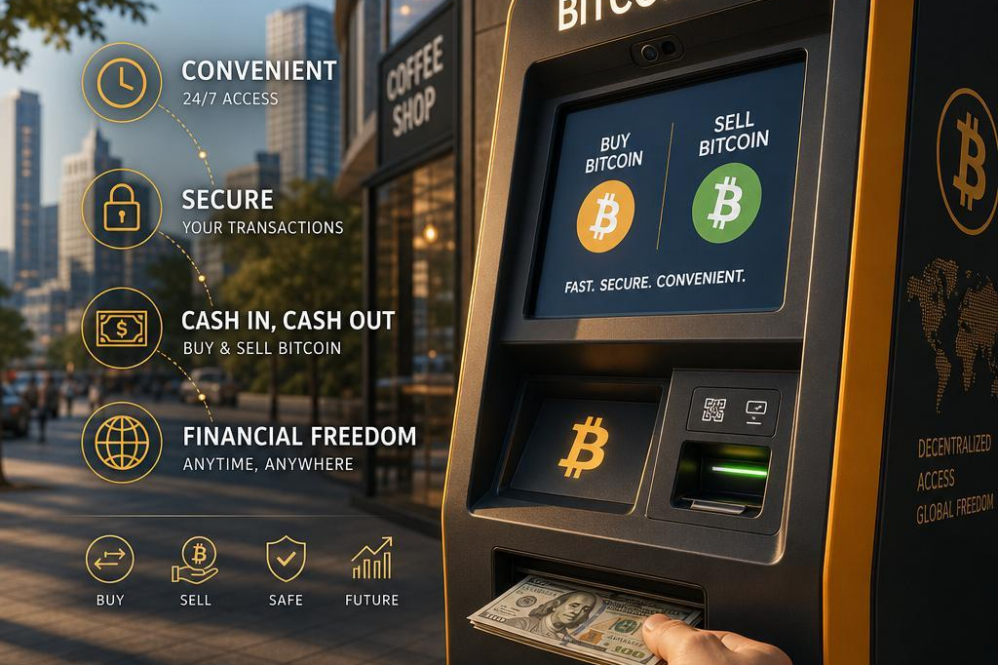
bitcoin ATMs Overview and Their Role in Cryptocurrency transactions
Digital currency users often face challenges when converting cryptocurrencies to cash or vice versa. bitcoin ATMs serve as crucial intermediaries, enabling streamlined buying and selling processes. These machines bridge the gap between traditional banking systems and digital finance by allowing users to conduct transactions without needing a bank account or lengthy verification procedures. With user-pleasant interfaces and quick processing times, bitcoin ATMs elevate convenience for both novice and experienced users in managing their crypto assets.
Key functionalities of bitcoin ATMs include:
- Instant conversion between bitcoin and local currency.
- Secure transaction protocols ensuring the safety of funds.
- Minimal documentation requirements compared to online exchanges.
- Availability in high-traffic areas, providing easy physical access.
| Transaction Type | Average Processing Time | Fees Range |
|---|---|---|
| bitcoin Purchase | 3-5 minutes | 6% - 12% |
| bitcoin Sale | 5-10 minutes | 7% – 15% |
| Balance Inquiry | Instant | Free |
By integrating bitcoin ATMs into everyday environments such as shopping centers and airports,the adoption of cryptocurrency receives a practical boost,making digital currencies increasingly tangible and accessible. This physical point of interaction encourages broader acceptance and use,particularly in regions where traditional banking infrastructure is limited or cumbersome. As a result, bitcoin ATMs play an indispensable role in the expanding ecosystem of cryptocurrency transactions worldwide.
Understanding the Process of Buying and Selling bitcoin at ATMs
When approaching a bitcoin ATM to purchase or sell cryptocurrency, the process is streamlined for user convenience but involves several critical steps. First, users must verify their identity, which often includes scanning an ID or entering a phone number to comply with regulatory requirements. Following verification, buyers can deposit cash directly into the machine to exchange for bitcoin, which will then be transferred to their digital wallet after entering a wallet address or scanning a QR code. For sellers, the process works in reverse: they send bitcoin from their wallet to the ATM’s addressand after confirmation, the ATM dispenses the equivalent cash amount.
Key considerations during these transactions include:
- Transaction fees: bitcoin ATMs typically charge higher fees compared to online exchanges, which vary by location and operator.
- Limits and speeds: There are daily or per-transaction limits on many bitcoin ATMsand network confirmation times can affect the speed of cash disbursement.
- Wallet compatibility: Users must ensure their digital wallet supports QR code scanning or address copying for efficient transactions.
| Step | Buying bitcoin | Selling bitcoin |
|---|---|---|
| verification | ID scan / Phone verification | ID scan / Phone verification |
| Payment | Insert cash into ATM | Send bitcoin from wallet |
| Confirmation | receive bitcoin in wallet | Receive cash from ATM |
Security Measures and Best Practices for Using bitcoin ATMs
When transacting at bitcoin ATMs,it is crucial to prioritize personal security. Always use machines located in well-lit, public areas to reduce the risk of theft or fraud. Carry out transactions discreetly,and avoid sharing sensitive information such as pin codes or wallet addresses within earshot of others. Verifying the legitimacy of the ATM operator prior to use can protect against scams and phishing attempts, as unauthorized machines may record your data or manipulate transactions.
Protecting your digital wallet is equally significant. Make sure your wallet software is up-to-date with the latest security patchesand never save your private keys or seed phrases on devices that are prone to malware or hacking attempts. Enable two-factor authentication (2FA) wherever possible to add an additional layer of defense against unauthorized access. If using a mobile wallet, ensure your phone is secured with a strong password or biometrics, minimizing the risk of compromise in case your device gets lost or stolen.
Understanding the transaction limits and fees imposed by bitcoin ATMs can definitely help users avoid unexpected costs and delays. The table below outlines typical thresholds and fee ranges for common bitcoin ATM providers,illustrating the importance of planning your transactions accordingly:
| Provider | Transaction Limit | Fee Range |
|---|---|---|
| BitAccess | $500 – $2,500 | 6% – 12% |
| CoinFlip | $1,000 - $3,000 | 4% – 8% |
| Genesis Coin | $200 – $1,000 | 7% – 10% |
- Confirm transaction details before finalizing,including wallet address and amount
- Keep transaction receipts for future reference and dispute resolution
- Report any suspicious activity or technical issues to the ATM operator immediately
Comparing bitcoin atms with Online Cryptocurrency Exchanges
bitcoin ATMs and online cryptocurrency exchanges serve distinct but complementary roles in the digital currency ecosystem. While ATMs provide an immediate physical interface for users to convert cash into bitcoin or vice versa, exchanges offer a comprehensive digital platform for a wider array of trading activities. ATMs typically support quick transactions with limited options-mostly buying or selling bitcoin on the spot-making them ideal for users who prioritize convenience and face-to-face cash dealings.
Key differences include:
- Accessibility: bitcoin ATMs are found in physical locations such as shopping centers or convenience stores, enabling in-person transactions without the need for a bank account or internet connection.
- Transaction Speed: Transactions via ATMs are almost instantaneous, providing immediate access to funds, whereas exchanges might take longer due to order matching and withdrawal processing times.
- Range of Cryptocurrencies: Online exchanges generally support a broad spectrum of cryptocurrencies, while bitcoin ATMs mostly focus solely on bitcoin, sometimes supporting a small number of altcoins.
| Feature | bitcoin ATM | Online Exchange |
|---|---|---|
| Transaction Type | Instant Buy/Sell | multiple Trading Options |
| Payment Method | Cash | Bank Transfer, Crypto, Cards |
| Fees | Typically Higher | Usually Lower |
| User Experience | Simplified, Physical | Advanced, Digital |
Geographical Distribution and Accessibility of bitcoin ATMs
bitcoin ATMs have rapidly expanded across continents, carving a niche in urban and suburban landscapes alike. their presence is predominantly concentrated in North America and Europe, where the digital currency ecosystem enjoys advanced adoption and regulatory clarity.however, emerging markets in Asia, Latin Americaand Africa are showing promising growth, fueled by increasing smartphone penetration and a rising curiosity about decentralized finance.
Accessibility is a critical factor driving the functionality and utility of bitcoin ATMs. These machines are strategically placed in high-traffic areas such as shopping malls, convenience stores, airportsand major transit hubs, making it easier for users to swiftly convert cash into cryptocurrency or vice versa. Many operators have adopted location-based services and interactive maps to help users find the closest machines, enhancing convenience and user experience.
Key considerations in geographical distribution and accessibility include:
- Urban Density: Machines cluster in metropolitan areas due to higher demand and foot traffic.
- Legal Environment: Regions with clear cryptocurrency regulations tend to have greater ATM availability.
- Connectivity: reliable internet infrastructure is essential for real-time transaction verification.
| Region | Approximate ATM Count | Notable Hub Cities |
|---|---|---|
| North America | 14,000+ | New York, Toronto, Los Angeles |
| Europe | 4,000+ | London, Berlin, amsterdam |
| Asia | 1,200+ | Singapore, Tokyo, Mumbai |
| Latin America | 500+ | Mexico City, Buenos Aires |
| Africa | 300+ | Johannesburg, Nairobi |
Recommendations for Choosing Reliable bitcoin ATM Locations and Operators
When selecting a bitcoin ATM location, prioritize areas with high foot traffic such as shopping centers, convenience storesand busy transportation hubs. These places improve accessibility and reduce waiting times,making the experience seamless for users. Additionally, look for operators that clearly display customer support contacts and maintain visible, up-to-date information about transaction fees and limits. This transparency signals a commitment to user trust and satisfaction.
Security measures employed by the operator should also be a critical consideration. Trusted providers implement strong encryption, user verification protocolsand comply with local regulations to prevent fraud and ensure the legality of transactions. An operator with regularly updated software and visible security certifications is more likely to deliver safe and reliable services.
Below is a simple comparison table highlighting key factors when choosing between bitcoin ATM operators:
| Factor | Top Operators | Considerations |
|---|---|---|
| Fee Transparency | Clear Fee Schedules | Avoid hidden charges |
| Customer Support | 24/7 Responsive Service | Quick issue resolution |
| Security | KYC & Encryption | Regulatory compliance |
In addition to these factors, user reviews and ratings offer invaluable insights into the reliability of both locations and operators. Platforms where users share their firsthand experiences can help you gauge potential wait times, machine reliabilityand operator responsiveness before committing to a transaction.