The Evolution of Store of Value Assets and the rise of bitcoin
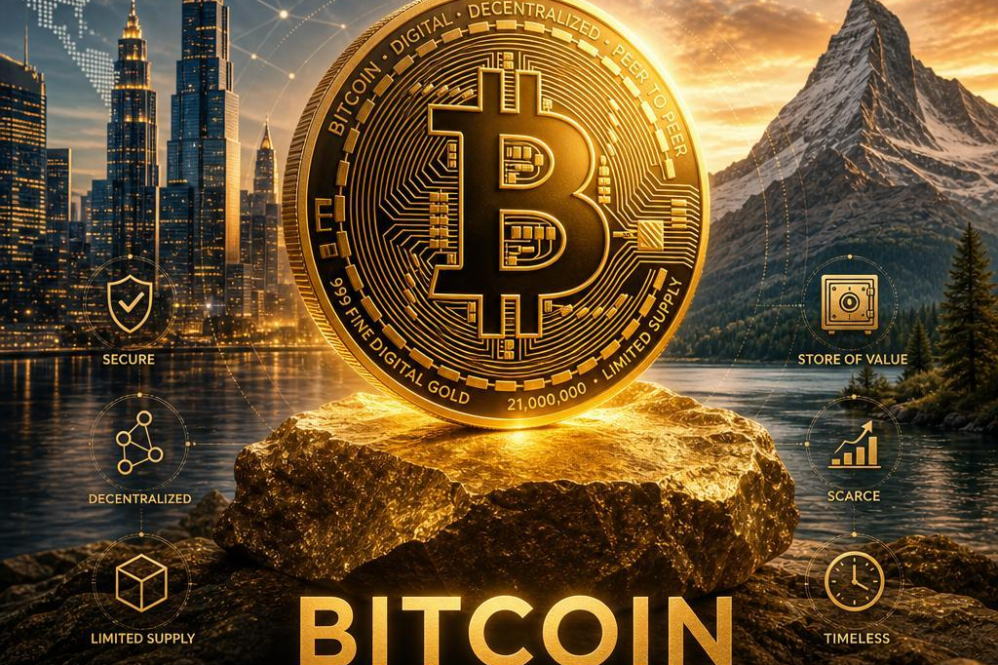
For centuries, societies have sought reliable assets to preserve wealth amid economic uncertainty, inflationsand geopolitical shifts. Customary store of value assets such as gold, silverand real estate have served as trusted havens due to their scarcity and intrinsic value. However, in the digital age, the limitations of physical assets-storage risks, portability issuesand lack of divisibility-have become increasingly apparent. bitcoin emerges as a revolutionary option, leveraging blockchain technology to offer a decentralized, secureand highly liquid digital asset that embodies many of the qualities that made precious metals invaluable as stores of value.
Key advantages of bitcoin over classical store of value assets include:
- Scarcity: bitcoin’s supply is capped at 21 million coins, replicating the finite nature of gold.
- Portability: Unlike bulky gold bars or property,millions can be transferred globally within minutes via digital wallets.
- Divisibility: bitcoin can be divided down to eight decimal places, enabling micro-transactions impossible with physical assets.
- Clarity and Security: Blockchain technology ensures immutable transaction history and reduces counterparty risk.
| Feature | Gold | bitcoin |
|---|---|---|
| Supply Limit | Finite but uncertain | Fixed at 21 million |
| Portability | Physical, cumbersome | Digital, instantaneous |
| Divisibility | Limited | Up to 0.00000001 BTC |
| Verification | Requires assay | Instant cryptographic proof |
| Security | Vulnerable to theft | encrypted and decentralized |
As the economic landscape evolves under the weight of fiat currency inflation and centralized monetary policies, bitcoin stands not just as a speculative asset but as a robust store of value-earning its moniker as “digital gold.” Its emergence challenges the traditional paradigms,offering individuals and institutions a novel way to preserve purchasing power,hedge against systemic risks,and embrace the future of monetary sovereignty.
Understanding bitcoin’s Unique Attributes as Digital Gold
bitcoin stands apart from traditional assets due to its intrinsic digital properties that mirror qualities of precious metals, yet with added technological advantages. Unlike physical gold, bitcoin is entirely decentralized, free from geographic constraints or the risks associated with physical storage and transportation. It operates on a secure blockchain protocol that ensures transparency, immutabilityand resistance to censorship, making it a resilient store of value in the digital era.
Several key characteristics contribute to bitcoin’s status as a modern-day digital equivalent of gold, including:
- Limited supply: Capped at 21 million coins, bitcoin’s scarcity mirrors gold’s finite nature, which helps preserve its value over time.
- Divisibility: bitcoin can be divided into one hundred million smaller units called satoshis, enabling micro-transactions and enhanced liquidity.
- Portability: As a purely digital asset, bitcoin can be transferred instantly across borders without intermediaries, unlike physical gold that requires more complex logistics.
| Feature | bitcoin | Gold |
|---|---|---|
| Supply Limit | 21 Million Coins | Finite but Indeterminate |
| Storage | Digital Wallets | Physical Vaults |
| Transfer Speed | Minutes Globally | Days to Weeks |
| Divisibility | Up to 8 decimal Places | Typically 1 Gram Minimum |
Comparative Analysis of bitcoin and Traditional Gold Investments
bitcoin and gold have long been compared as stores of value, yet their basic characteristics set them distinctly apart. Gold, a tangible asset with a history spanning millennia, carries intrinsic physical properties like rarity and malleability. bitcoin, by contrast, is a decentralized digital currency whose scarcity is algorithmically enforced through a capped supply of 21 million coins.This cryptographic scarcity appeals to modern investors seeking assets immune to traditional inflationary pressures, with bitcoin’s transparency and programmability further enhancing its appeal as an innovative store of value.
Volatility remains a critical factor differentiating these two investment vehicles. Gold typically experiences gradual price fluctuations linked to geopolitical events and economic cycles, making it a relatively stable refuge in turbulent times. bitcoin,tho,is characterized by rapid price swings driven by market speculation,technological developments,and regulatory news. This dynamic volatility introduces higher risk but also the potential for ample gains, attracting investors with a higher risk appetite who believe in the long-term disruption potential of digital currencies.
| Factor | Gold | bitcoin |
|---|---|---|
| Supply | Physically limited, mining constrained | Fixed at 21 million, predictable issuance |
| liquidity | High, global market with established infrastructure | High but centralized exchanges dominate |
| Storage | Requires physical safekeeping | Secured cryptographically, digital wallets |
| Transaction Speed | Slow, physical transfer required | Fast, near-instantaneous across borders |
| Inflation Resistance | Moderate, value preserved over long term | High, hard-coded scarcity counters fiat dilution |
Ultimately, the choice between bitcoin and gold is not about which is universally better but which asset aligns more closely with an investor’s goals in the evolving financial landscape. gold offers a tried-and-true hedge grounded in centuries of trust, while bitcoin represents a paradigm shift-a digital asset designed for the era of decentralization and digital finance. As these two forms of “value” continue to coexist, diversified portfolios can benefit from the complementary strengths each asset class delivers.
Addressing Volatility and Security Concerns in bitcoin Holdings
bitcoin’s price swings often evoke caution,but its underlying architecture provides robust mechanisms to manage this volatility.Unlike traditional currencies susceptible to inflation and government policies, bitcoin operates on a decentralized network where supply is algorithmically capped at 21 million coins. This scarcity makes it inherently resistant to devaluation. To navigate short-term price fluctuations, investors employ strategies such as dollar-cost averaging and portfolio diversification, shielding their holdings from abrupt market shifts while capitalizing on long-term growth potential.
Security concerns around bitcoin holdings, once a barrier to entry, have been significantly reduced through advancements in storage technologies and best practices. Cold storage solutions, including hardware wallets and multisignature protocols, offer airtight protection by keeping private keys offline and under personal control. Additionally, institutional-grade custodians now provide insurance-backed security frameworks, ensuring that bitcoin investors can securely hold their assets without exposing themselves to typical risks like theft or hacking.
Consider the comparison in the table below, which highlights common security options and their features, reflecting why modern bitcoin storage is trusted by both individuals and institutions:
| Security Method | Access | Vulnerability | Insurance Availability |
|---|---|---|---|
| Hardware Wallet | Offline | Physical Loss | No |
| Multisignature Wallet | Distributed | Keyholder Collusion | Rare |
| Institutional Custodian | Managed | Hacking, Mismanagement | Yes |
In essence, while the volatility of bitcoin might initially appear daunting, the growing ecosystem around storage and security builds confidence that this digital asset is primed to function as a reliable store of value-combining the best practices of financial security with the innovation of decentralized technology.
Strategic Recommendations for Integrating bitcoin into Investment Portfolios
To harness bitcoin’s potential as a robust component within diversified investment portfolios, it is indeed essential to adopt a measured allocation strategy. Financial advisors often recommend starting with a modest percentage-typically between 1% and 5% of total portfolio value-to minimize volatility exposure while benefiting from bitcoin’s unique store of value characteristics. This measured approach balances the growth prospects of digital assets with the stability offered by traditional investments.
Incorporating bitcoin requires an understanding of its low correlation to conventional asset classes. This quality enhances portfolio diversification, reducing overall risk during market turbulence. Investors might use bitcoin to counterbalance inflation pressures on fixed income or equities, as its algorithmically capped supply provides a hedge against currency debasement. Consistent portfolio rebalancing is essential,ensuring bitcoin’s allocation remains aligned with evolving market conditions and risk tolerance.
Risk management is critical when integrating bitcoin. Strategies include:
- utilizing dollar-cost averaging to mitigate price volatility
- Employing secure custody solutions to protect digital assets
- Setting clear investment horizons based on liquidity needs
Below is a simplified allocation comparison for a balanced portfolio that includes bitcoin:
| Asset Class | Typical Allocation | With bitcoin Integration |
|---|---|---|
| Equities | 60% | 57% |
| Fixed income | 35% | 33% |
| bitcoin | 0% | 5% |
| Cash & Others | 5% | 5% |
Future Outlook on bitcoin’s Role in the Global Financial Ecosystem
As the global financial landscape continues to evolve, bitcoin is increasingly being recognized for its potential to serve as a reliable store of value, akin to traditional safe-haven assets like gold.Its decentralized nature, scarcity capped at 21 million coinsand resistance to inflation position it uniquely in the world of digital assets. Investors and institutions are beginning to integrate bitcoin into their portfolios as a hedge against macroeconomic uncertainties, signaling a shift toward digital asset acceptance in mainstream finance.
Several factors underpin bitcoin’s potential prominence:
- Decentralization: Unlike fiat currencies, bitcoin operates without a central authority, reducing susceptibility to political influence and monetary policy manipulation.
- Transparency and Security: Its blockchain ledger offers unparalleled transparency and security, fostering trust among users and investors.
- Liquidity and Accessibility: bitcoin markets function 24/7 globally, providing unparalleled liquidity and ease of access via diverse platforms and wallets.
To illustrate bitcoin’s emerging role compared to traditional assets, consider the following comparison table:
| Feature | Gold | bitcoin |
|---|---|---|
| Total Supply | finite (Physical Limits) | 21 Million Coins |
| Portability | Heavy and Bulky | Highly Portable, Digital |
| Transaction Speed | Slow, Physical Transfer Required | Minutes, Digital Transfer |
| security | Physical Security Needed | Cryptographic Security |