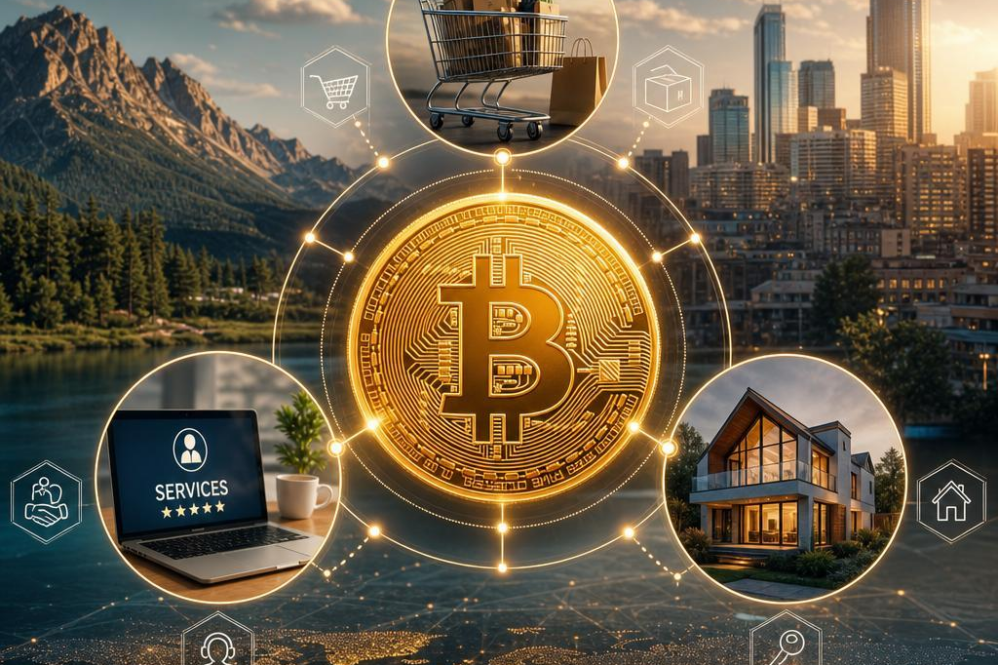
The Evolution of bitcoin as a Universal Medium of Exchange
BitcoinS journey from a niche digital currency to a widely accepted medium of exchange demonstrates its growing versatility and influence across diverse markets. Initially embraced primarily by tech enthusiasts, bitcoin has steadily gained traction as a payment option for everyday goods and services.Its decentralized nature and borderless transactions have made it especially attractive for online commerce, allowing consumers and merchants to engage in seamless, secure exchanges without intermediaries.
Over time, the adoption of bitcoin has expanded into more customary and high-value markets, including real estate. Several forward-thinking real estate developers and sellers now accept bitcoin as a legitimate form of payment, showcasing its ability to bridge digital innovation with tangible assets. This shift reflects a broader acceptance of cryptocurrency as a reliable store of value and a practical means for large-scale transactions. The advantages of transparency, reduced transaction timesand lower fees have encouraged stakeholders to explore this transformative payment method.
Several key factors illustrate bitcoin’s expanding role in commerce and property acquisition:
- Enhanced security and fraud prevention in digital payments
- Reduced dependence on traditional financial institutions
- Global accessibility transcending geographical boundaries
- Facilitation of smart contracts and escrow services
| Transaction Type | Traditional Currency | bitcoin |
|---|---|---|
| Online Retail | High fees, slow settlement | Low fees, instant settlement |
| Service Payments | Bank intermediaries involved | Peer-to-peer, decentralized |
| Real Estate | Lengthy escrow and paperwork | Streamlined blockchain contracts |
Unlocking the Potential of bitcoin in everyday Goods and Services
bitcoin’s evolution into a widely accepted payment option has transformed how consumers and businesses interact with everyday markets. Beyond its role as a speculative asset, it now plays a crucial part in facilitating transactions for goods ranging from electronics to apparel. Merchants using bitcoin benefit from reduced transaction fees and faster settlement times, while buyers enjoy enhanced privacy and the ability to make cross-border purchases without currency exchange complications. This shift is enabling a more seamless global marketplace powered by decentralized technology.
In the realm of services, bitcoin opens doors to a variety of industries including travel, freelancingand digital entertainment. Services that accept bitcoin can attract a niche audience that values financial sovereignty and innovation. Consider the benefits in sectors like:
- Travel and hospitality: Booking flights, hotelsand tours with bitcoin simplifies payments and rewards tech-savvy travelers.
- Professional services: Freelancers and consultants gain access to international clients without the delays of traditional banking.
- Creative industries: Musicians, artistsand content creators monetize their work directly through bitcoin tips and payments.
Real estate transactions represent an exciting frontier for bitcoin adoption. Utilizing bitcoin for property purchases allows for transparency, quicker transfersand new financing models. Below is a simplified example of how bitcoin facilitates real estate deals compared to traditional methods:
| Aspect | Traditional Real Estate | bitcoin-Enabled Real Estate |
|---|---|---|
| Transaction Speed | Days to weeks | Hours to days |
| Intermediaries | Multiple (banks, lawyers) | Few or none |
| Transparency | Limited to involved parties | Blockchain verified |
| Cross-Border Barriers | High due to currency and regulations | Minimized with cryptocurrency |
Navigating legal and Regulatory Considerations for bitcoin Transactions
Engaging in bitcoin transactions requires a clear understanding of the evolving legal landscape. Different jurisdictions impose varying rules on the use of cryptocurrencies, frequently enough influenced by concerns over fraud, money launderingand tax evasion. Key considerations include compliance with anti-money laundering (AML) laws, ensuring clear record-keeping, and adhering to know Your Customer (KYC) protocols when dealing with buyers and sellers. Failure to navigate these regulatory waters correctly can lead to significant legal repercussions, making it critical for both individuals and businesses to stay informed and consult with legal experts specialized in digital assets.
The taxation of bitcoin trades adds another layer of complexity.Many countries treat bitcoin transactions as taxable events, where the gains realized from trading or spending bitcoin are subject to capital gains tax or goods and services tax (GST). It is indeed essential to track transaction history meticulously and understand how local tax authorities classify digital currencies. The table below summarizes typical regulatory focuses across major regions:
| Region | Regulatory Focus | Tax Treatment | Common Restrictions |
|---|---|---|---|
| North America | AML/KYC compliance | Capital gains tax | Licensing for exchanges |
| Europe | Consumer protection, AML | VAT on services/goods | Reporting requirements |
| Asia-Pacific | Monetary policy, AML | Varies by country | Partial bans/permits |
Real estate transactions via bitcoin introduce additional legal intricacies. Property laws often lag behind technological innovation, and the acceptance of cryptocurrency as payment may necessitate new contract language, escrow arrangementsand valuation methods agreed upon by all parties involved. It is imperative to consult professionals who understand both traditional real estate laws and cryptocurrency regulations to ensure smooth and lawful transactions. Businesses should maintain detailed documentation of every stage to avoid disputes and prove compliance.
Maximizing Security and Transparency in bitcoin-Based Real Estate Deals
Utilizing bitcoin in real estate transactions offers an unprecedented level of security rooted in blockchain technology. Each transaction is cryptographically sealed and recorded in an immutable ledger, eliminating the risks of fraud and unauthorized alterations.This decentralized verification process ensures both buyers and sellers can confidently verify ownership history and the authenticity of transfer records, bolstering trust between parties without relying solely on traditional intermediaries.
Transparency is further enhanced by the open nature of blockchain transactions. Unlike conventional processes that often involve opaque intermediaries and lengthy paperwork, bitcoin facilitates instant and verifiable exchanges visible to all participants within the network. This openness allows stakeholders to access real-time transaction statuses, track payment confirmationsand avoid hidden fees, fostering a more equitable and streamlined experience in property deals.
Key advantages of incorporating bitcoin blockchain in real estate:
- Elimination of third-party escrow delays through smart contract automation
- Reduced transaction costs due to minimized intermediary involvement
- Heightened verification speed with cryptographic proof of ownership transfer
- Permanent and transparent transaction history accessible on the blockchain
| Aspect | Traditional Method | bitcoin-Based Process |
|---|---|---|
| Transaction Time | Days to weeks | Minutes to hours |
| Verification | Manual, paperwork dependent | Automated, blockchain-verified |
| Fees | High, multiple intermediaries | lower, minimized third parties |
| Transparency | Limited, opaque documentation | Full, publicly accessible ledger |
Strategic Recommendations for Integrating bitcoin into Business Models
Businesses aiming to incorporate bitcoin should first establish clear transactional policies to enhance trust and transparency. This involves setting definitive exchange rates, managing volatility through real-time pricing toolsand clarifying refund and dispute resolution processes. In addition, leveraging secure digital wallets and partnering with reputable payment processors can protect both merchant and consumer interests, minimizing risk and ensuring seamless integration into existing financial infrastructures.
For sectors like retail, digital servicesand real estate, bitcoin offers unparalleled flexibility. Merchants can diversify sales strategies by accepting partial payments in bitcoin, bundling crypto discounts during peak seasonsor enabling escrow services for high-value asset transactions. Such adaptability not only attracts a broader customer base but also positions businesses as innovators within their industries, crucial in a competitive market landscape.
| Business Sector | bitcoin Usage Strategy | Key Benefit |
|---|---|---|
| Retail | Instant Checkout & Loyalty Rewards | Enhanced Customer Engagement |
| Digital Services | Subscription Payments & Microtransactions | Global Reach & Reduced Fees |
| Real Estate | Escrow Solutions & Down Payment Options | Faster Transactions & Increased Security |
To fully capitalize on bitcoin’s potential, companies should prioritize ongoing education and dialog with stakeholders. Training teams on cryptocurrency literacy reduces errors and builds confidence, while keeping customers informed about bitcoin’s benefits and risks fosters a culture of openness. Additionally, regular updates on regulatory changes and technological advancements ensure that the business adapts proactively, maintaining compliance and maximizing strategic advantages.
Future Outlook on bitcoin’s Role in Diversified Economic Exchanges
as digital currencies continue to evolve, bitcoin’s utility transcends mere speculative investment, positioning itself as a dynamic instrument in diverse economic landscapes. its decentralized nature and borderless functionality enable smooth transactions across multiple sectors, from purchasing everyday goods to acquiring premium real estate. This adaptability highlights bitcoin’s potential to disrupt traditional payment infrastructures while fostering more inclusive financial interactions on a global scale.
Key advantages that fortify bitcoin’s role include:
- Immutability: Each transaction is permanently recorded on the blockchain, ensuring trust and transparency throughout commercial exchanges.
- Reduced Intermediaries: bitcoin facilitates peer-to-peer transfers, lowering transaction costs and accelerating settlement times.
- Cross-border Efficiency: Its global acceptance minimizes currency conversion hurdles and enables seamless international trade.
| Category | bitcoin Use Case | Benefits |
|---|---|---|
| Goods | Retail Payments | instant micropayments, lower fees |
| Services | Freelance & Consulting | Global client access, faster payouts |
| Real Estate | Property Purchases | Secure escrow, transparent titles |
As adoption broadens, the fusion of bitcoin with emerging technologies like smart contracts and decentralized finance (DeFi) will further streamline diverse transactions. The continued integration into goods, servicesand real estate sectors signifies a robust future where bitcoin not only preserves value but also serves as an everyday operational currency. Stakeholders must, however, consider regulatory and volatility challenges to fully harness its transformative potential.