—
The Basics of bitcoin Paper Wallets Explained
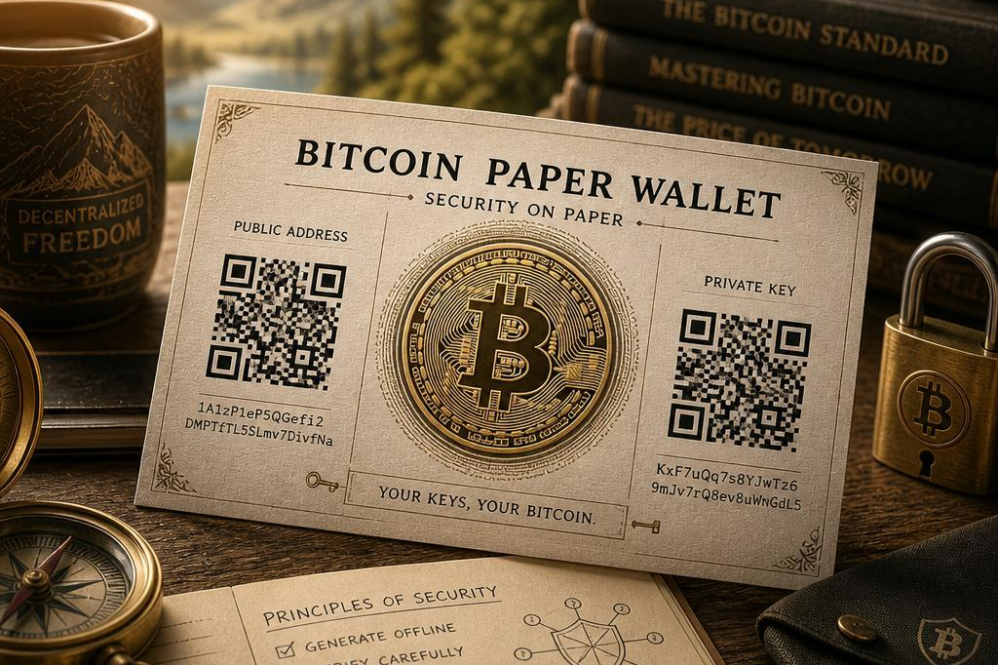
bitcoin paper wallets offer a unique blend of security features and customary storage methods for those who prefer physical tokens over digital ones. Essentially, these paper wallets serve as tangible certificates that hold your bitcoin private key, the secret code needed to unlock funds in a cryptocurrency wallet. In a world where cryptocurrencies are moving towards more sophisticated storage options like hardware wallets and mobile apps, the paper wallet remains an elegant throwback for tech-savvy enthusiasts who appreciate simplicity and trust in old-school security measures.
Creating a paper wallet isn’t intricate but does require careful attention to detail to avoid costly mistakes. The process generally involves generating a unique private key and its corresponding public address through specialized software. Once generated, the combination is printed on paper, often with QR codes for easy access and transactions when you’re ready to transfer or spend your bitcoin. This physical wallet acts as a safeguarded record of your holdings, stored offline.
| Feature | Paper Wallet | Digital Wallet |
|---|---|---|
| Security Level | High, when stored offline and securely handled. | Varying levels based on encryption techniques used. |
| Data Format | Physical printed version with QR codes. | Digital format, can be encrypted or password-protected. |
| Usability | Requires scanning/typing when making transactions. | Instant access through software on multiple devices. |
While paper wallets provide a reassuring sense of control and security by removing the risks associated with digital accessibility, they aren’t without their drawbacks. The reliance on physical storage means that the risk of fire damage or loss increases dramatically. To mitigate these risks, users tend to print multiple copies of their paper wallet and secure them in different locations, ensuring they have backups should something go awry.
Crafting Secure Keys For Optimal Protection
A paper wallet acts as a physical manifestation of your security measures, housing both private and public keys that are critical for accessing bitcoins stored offline. The private key, frequently enough represented as a series of 24 or so words known as a seed phrase, acts like the master password protecting all your assets from digital thieves.
To ensure you’re properly securing your funds, it’s crucial to generate keys in an air-gapped environment-one that is isolated from any internet connection. This could mean creating the wallet on a fresh USB stick booted with Linux or even at a public library computer before disconnecting it from the internet and using it solely for generating key pairs. Never use a device connected directly to public networks or where malware might lurk.
Here are some additional tips to safeguard your private keys: print on high-quality paper with archival inks, consider laminating or storing your paper wallets in fireproof safes, split the seed phrase across multiple sheets and distribute them to trusted friends or family members. By adhering to these practices,you considerably reduce risks such as key exposure or accidental loss.Best Practices for Storing Your Paper Wallet Safely
Storing your paper wallet securely is paramount to protecting the funds it contains. First and foremost, avoid keeping a copy near places with high humidity, extreme temperatures, or direct sunlight as these elements can degrade the quality of physical materials over time.It’s ideal to use acid-free paper and print in carbon-based ink for longevity.
One effective method is to place your printed key and address information inside durable plastic sleeves designed for archival storage. These waterproof sleeves not only protect against liquid damage but also reduce exposure to harmful UV rays. consider storing multiple copies of the wallet in different secure locations. To safeguard your paper wallet further, you might want to think about physical security measures. Place one copy in a safe at home and another in a fireproof box or vault. Another option is to use a trusted third-party service like a bank safety deposit box.
Understanding the Risks and Mitigating Them Effectively
paper wallets offer an unassuming and straightforward method that relies solely on physical documents rather than digital infrastructure. However, the risk of losing or damaging this tangible form of currency is a significant concern. One major drawback of a paper wallet is the potential for loss-a misplaced piece of paper can be akin to losing cash under your couch cushions.
Mitigating such risks requires a delicate balance of practical measures and thorough planning. For instance, creating multiple copies of your paper wallet ensures that even if one copy gets lost or destroyed, backups are in place. These additional printouts should not only be stored securely but also kept accessible yet out of immediate view to avoid accidental damage. Another approach is using both a digital and physical backup system, where the QR codes and seed phrases associated with your bitcoin are encoded offline and then split into parts that can be stored separately.
Moreover, it’s essential to consider environmental factors such as humidity and sunlight, which could degrade paper over time. Storing paper wallets in airtight containers or protective sleeves can help preserve their integrity longer. While simple measures like these don’t provide complete security against all risks, they significantly enhance the overall longevity and safety of your bitcoin holdings on paper.
—


