July 18, 2026

Capitalizations Index – B ∞/21M

Binance Moves To Malta As Prime Minister Issues Public Welcome

Binance moves to malta as prime minister issues public welcome

Binance Moves To Malta As Prime Minister Issues Public Welcome

Wilma Woo · March 23, 2018 · 6:15 am

The Prime Minister of Malta has publicly welcomed the world’s largest cryptocurrency exchange Binance as it announces it is relocating to the country.


Maltese PM To Binance: ‘Welcome To Malta’

In a fresh move confirmed by CEO Zhao Changpeng March 23, Binance will set up an office in the European nation and will close the requisite banking partnerships “soon,” Bloomberg reports.

Binance has continued its astronomical rise which saw it overtake all other global exchanges’ volumes in January.

Binance

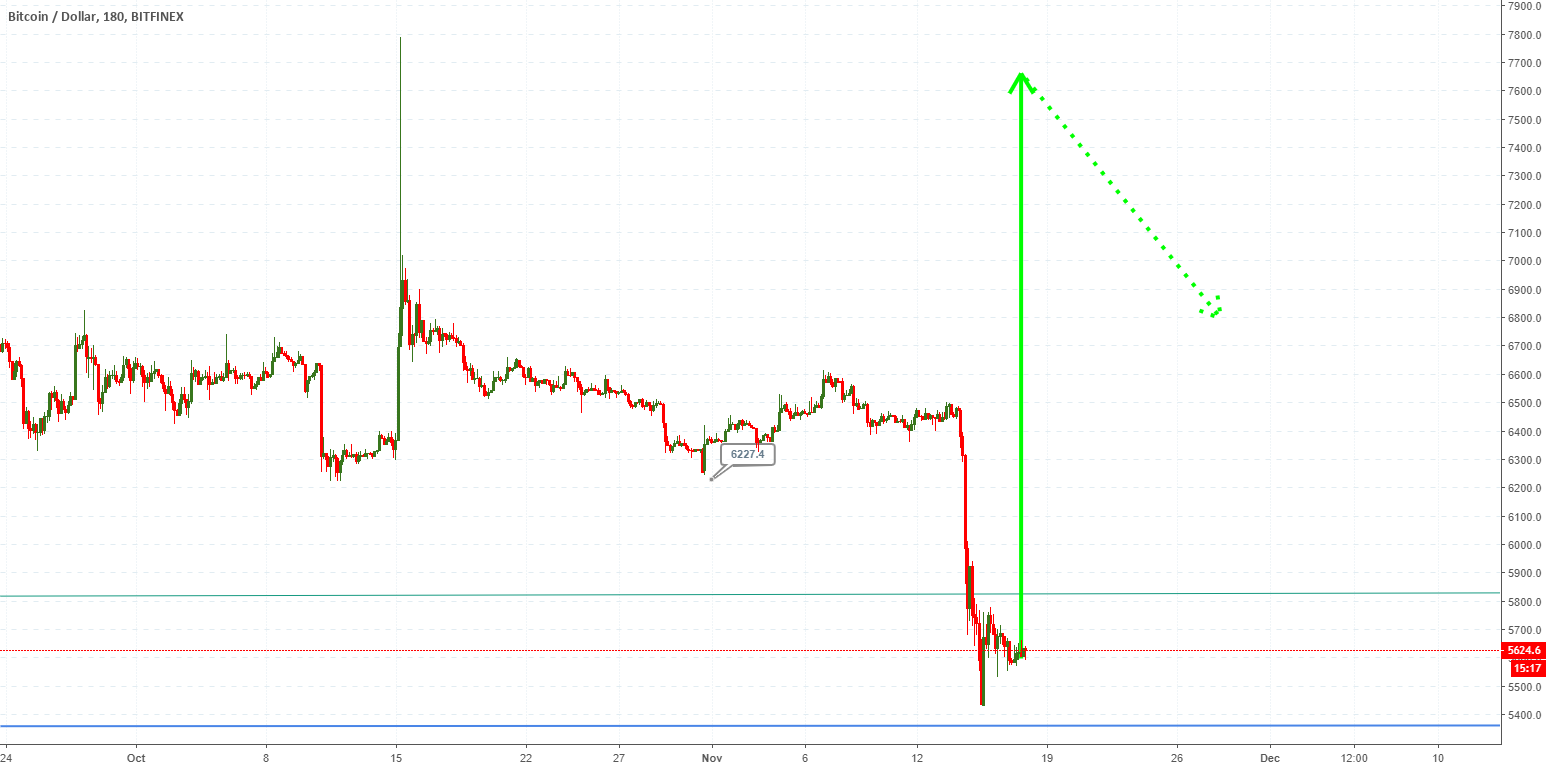
This week, negotiations between the exchange and Japanese regulators moved the price of Bitcoin after local press sources misinterpreted the “dialog” as a de facto ban.

Discussing the Malta move, however, government leader Joseph Muscat was open about his bullish stance on the company.

“We aim to be the global trailblazers in the regulation of blockchain-based businesses and the jurisdiction of quality and choice for world class fintech companies,” he tweeted.

Zhao replied that he was “honored” to receive the vote of confidence.

Binance Influencing Maltese Regulation?

Speaking to Bloomberg, Zhao continued that Malta represented the ideal technological and regulatory environment to support Binance going forward.

“We are very confident we can announce a banking partnership there soon,” he said.

Malta is very progressive when it comes to crypto and fintech.

Zhao added Maltese lawmakers had sought him out with a view to informing Malta’s regulatory future.

Binance moves to malta as prime minister issues public welcome

According to Bloomberg, he “had recently been invited by the Maltese government to review an upcoming bill that was favorable to crypto businesses.”

A knock-on effect of the relocation is the European Union gaining its best-known cryptocurrency business to date, these previously being largely confined to Asia and the US.

Eastern European countries continue to host other popular exchanges including Bitstamp, while Japanese operator BitFlyer announced its move into the market in January.

What do you think about Binance moving to Malta? Let us know in the comments below!


Images courtesy of Shutterstock, Twitter

binanceexchangesjoseph muscatmalta Show comments

Published at Fri, 23 Mar 2018 10:15:06 +0000
bitcoin

Previous Article

En abril se realizará Congreso internacional Blockchain en Colombia y Argentina

Next Article

SEC Will Investigate Cryptocurrency Hedge Funds Over the Next Two Months

You might be interested in …

Ending the Federal Reserve from the Bottom Up

federal reserve.jpg

mises.org / William Greene / March 31, 2017

Since its inception, the U.S. Federal Reserve’s monetary policies have led to a decline of over 95% in the purchasing power of the U.S. dollar. As a result, there have been several attempts to curtail or eliminate the Federal Reserve’s powers (e.g., the efforts of Rep. Louis T. McFadden in the 1930s; the efforts of Rep. Wright Patman in the 1970s; the efforts of Rep. Henry Gonzalez in the 1990s; and the efforts of Rep. Ron Paul since the 1990s). However, none have proven successful to date, due mainly to the constraints of strong political opposition at the national level. In contrast to these “top‐down” attempts at the national level, this paper proposes an alternative approach to ending the Federal Reserve’s monopoly on money: the “Constitutional Tender Act,” a bill template that can be introduced in every state legislature in the nation, returning each of them to adherence to the U.S. Constitution’s “legal tender” provisions of Article I, Section 10.

This approach would have a greater likelihood of success for a number of reasons. First, it is decentralized: rather than facing concerted political opposition at a single Federal level, it attacks the issue at the State level, where strategies and tactics can be adapted to the types and amount of political opposition they encounter. Second, it is diffused: it can be attempted in any number of States, which can cause the opposition to spread its resources much more thinly than would be necessary at the Federal level. Finally, it is legally sound: it relies on the U.S. Constitution’s negative mandate in Article I, Section 10, that “No State shall… make any Thing but gold and silver Coin a Tender in Payment of Debts.” Therefore, in contrast to “top‐down” attempts to “end the Fed,” a “bottom‐up” approach using “constitutional tender” laws will find greater success.

READ MORE

The post Ending the Federal Reserve from the Bottom Up appeared first on Silver For The People.