
August 21, 2026

Capitalizations Index – B ∞/21M

4 Bitcoin Trends Likely to Dominate 2019

4 bitcoin trends likely to dominate 2019

4 Bitcoin Trends Likely to Dominate 2019

4 bitcoin trends likely to dominate 2019

Now is the time when people typically start assessing what the year ahead is likely to bring for various topics and industries. bitcoin is no different. Investors and enthusiasts will likely notice several trends becoming prominent. Here are four of them.


1. bitcoin-Compatible ATMs Become Widely Available

Reports indicate 2019 will be the year that bitcoin ATMs take off in cities across the United States. Chicago recently got 30 new machines, bringing the city’s total to nearly 100, with Philadelphia having approximately the same amount.

Those ATMs are solely for dispensing bitcoin, but there are traditional ATMs in New York that give this currency to users. Interested persons create accounts with LibertyX, a bitcoin payment provider. After passing the approval process, they can purchase up to $3,000 worth of bitcoin per day using their debit cards at ATMs.
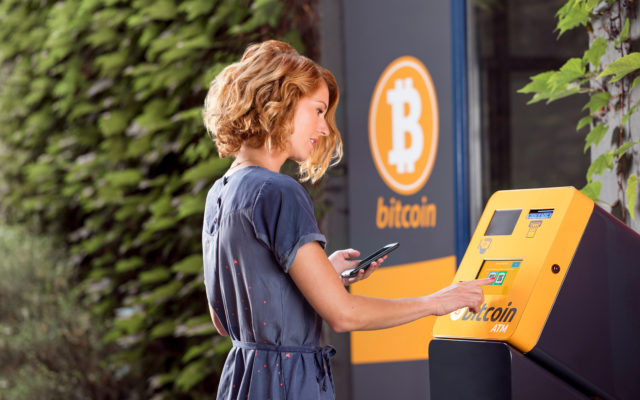
Bitcoin atm

These ATMs could encourage people to start using bitcoin for the first time or start dealing with the cryptocurrency more extensively than before. Individuals are accustomed to using ATMs to serve their financial needs, so it’s not a big step for them to get bitcoins from ATMs too.

2. More Involvement From Central Banks With bitcoin and Other Cryptocurrencies

One of the things people typically love about bitcoin is that they can use it without having bank accounts. However, in 2019, one of the bitcoin trends that may become apparent is that central banks start supporting cryptocurrencies by supplementing their gold reserves with them.

During a presentation at the first bitcoin summit in Israel, bitcoin pioneer Nick Szabo outlined the reasons why he predicts more countries will begin using cryptocurrencies, especially in places that are subject to extreme conflict or financial mismanagement. He also believes central banks will start to supplement their gold reserves with cryptocurrencies.

Szabo explained: “There’s going to be some situations where a central bank can’t trust a foreign central bank or government with their bonds, for example. One solution that’s been developed is to have the Swiss government hold it for you – that’s not a trust-minimized solution. The Swiss government itself is subject to political pressures, and so a more trust-minimized solution is cryptocurrency.”

In 2018, Christine Lagarde, the managing director of the International Monetary Fund (IMF), also expressed why central banks should issue cryptocurrencies. This trend may not reach full-scale adoption in 2019, but it’ll become evident that central banks shouldn’t shy away from bitcoin or the crypto industry at large.
Jpmorgan

Just this week, JPMorgan announced its own ‘cryptocurrency’ dubbed JPM Coin to much criticism.

3. A Push Toward More bitcoin-Centric Tourism

In May 2013, someone spent 10,000 BTC on pizza, but a more recent trend is an increase in companies and localities encouraging tourists to spend Bitcoins when they travel. In March 2018, Germany’s tourism board began accepting bitcoin for its services.

More recently, an Australian beach town in Central Queensland became the first digital currency-friendly tourist town.

When people travel to different countries, one of the first things they typically have to do is visit currency exchanges. If this trend continues, people could do away with that necessity and travel solely with bitcoin. Doing that requires planning, but it could end up being convenient for travelers who don’t want to deal with traditional money when they’re away from home.

4. An Increase in Smartphones That Store bitcoin

A look at the plans for future devices made by tech brands indicates there’s a push for smartphones with integrated wallets that store bitcoin and other cryptocurrencies. In late 2018, HTC announced the Exodus 1, which is a blockchain-focused phone with a wallet. People could only buy the phone with cryptocurrencies.

Htc exodus 1

Rumors are also swirling that the Samsung Galaxy S10 will have a crypto software wallet via a trademarked invention called the Samsung Blockchain KeyStore.

It’s too early to say how successful such phones might be, but these early adopters could spark a more significant trend if users prefer this approach to hardware wallets, for example. Tech brands watch what competitors do and don’t want to wait too long to offer similar products if they seem viable.

[Note: This guest article was submitted by Kayla Matthews]

Do you agree? And what other trends do you see for bitcoin this year?


Images courtesy of Shutterstock

The post 4 Bitcoin Trends Likely to Dominate 2019 appeared first on Bitcoinist.com.

source: https://bitcoinist.com/bitcoin-trends-dominate-2019/

Published at Sat, 16 Feb 2019 16:00:22 +0000

Previous Article

VISA and Mastercard Considering an Increase in Processing Fees is a Plus for BTC and Crypto

Next Article

How Blockchain Can Change The World

You might be interested in …

FidentiaX Develops World’s First Tradeable Insurance Marketplace

People will soon be able to buy and sell insurance policies using the blockchain-based platform, fidentiaX, which is creating the world’s first tradeable insurance marketplace.

[Note: This is a press release.]


Most people do not know that insurance policies with cash value are tradeable on the market for higher returns. In 2014 alone, $57 billion (250,000 policies) of the estimated $112 billion USD of policies lapsed and surrendered could have been resold on the market. The minority of policyholders who know about this find it difficult locating interested buyers due to the absence of a recognizable marketplace for safe and secured transactions. Buyers looking to add policies to their investment portfolio are confronted with similar hurdles.

Limited options, lack of awareness, and accessibility have created an inequitable situation for policyholders. Insurance companies prefer that policyholders surrender their policies (thus releasing them from their sum-assured obligation) rather than encourage trading of these policies. fidentiaX aims to disrupt this status quo and break the tethers of the insurance companies by empowering policyholders to monetize their policies.

Leveraging blockchain technology and smart contracts, fidentiaX will help policyholders and investors build a portfolio of tradable policies with stable returns, while developing a trustless platform for trading of these policies.

There are many advantages of buying an insurance policy on the open market, for instance: stable returns (superior to a similar asset class with the same risk ratings), fixed tenure, liquidity, and low correlation with other asset classes.

fidentiaX will be the world’s first marketplace for tradeable insurance policies, creating a marketplace and repository of insurance policies for the masses. fidentiaX’s Policy Ledger breaks from the traditional reliance on intermediaries by creating a digital ledger for policyholders enabling them to:

  • Consolidate and manage insurance policies on a distributed ledger.
  • Creating an immutable record of available policies on the blockchain.
  • Premium payment alert
  • Coverage summary
  • Multi-signatory access for beneficiaries and trustees on mortality event

fidentiaX strongly believes that tradable policies should form part of any investment portfolio. To this end, the company will conduct periodic (minimum once a year) private sales for members only. Policies from the model portfolio will be auctioned for a minimum number of fidentiaX (fdX) tokens, and the auction will be open for members to bid on the policy (a real-world asset). The successful bidder will take ownership of the policy and could either cash out the policy or add that policy to their investment portfolio.

In the coming years, Asia will be the fastest-growing market for life insurance, with an estimated real annual compounded growth rate of 10.2 percent. fidentiaX will be focusing on building its brand within Asia before executing its global expansion strategy. Key focus countries within Asia are Hong Kong, Japan, Korea, Malaysia, and Singapore.

The establishment of the fidentiaX Open Source Foundation (FOSF) will build a framework for the community, by the community to serve the community. The FOSF aims to create an equal opportunity community of contributors from both developers and industry contributors. Using funds from the foundation, collaborators will develop freely available enterprise-grade insurance blockchain solutions to benefit millions of users and insurers worldwide. The core focus of the foundation is to develop, proliferate, and promote an open-source blockchain architecture that is not owned by any traditional large insurance institution or blockchain development firms.

fidentiaX is the source of this content. Virtual currency is not legal tender, is not backed by the government, and accounts and value balances are not subject to consumer protections. This press release is for informational purposes only. The information does not constitute investment advice or an offer to invest.


Images courtesy of fidentiaX.

The post FidentiaX Develops World’s First Tradeable Insurance Marketplace appeared first on Bitcoinist.com.

Bitcoin (btc/usd) short

BITCOIN (BTC/USD) SHORT

bitcoin (BTC/USD) SHORT EN English (UK) EN English (IN) DE Deutsch FR Français ES Español IT Italiano PL Polski SV Svenska TR Türkçe RU Русский PT Português ID Bahasa Indonesia MS Bahasa Melayu TH ภาษาไทย […]