Understanding bitcoin Transactions and Private Key Security
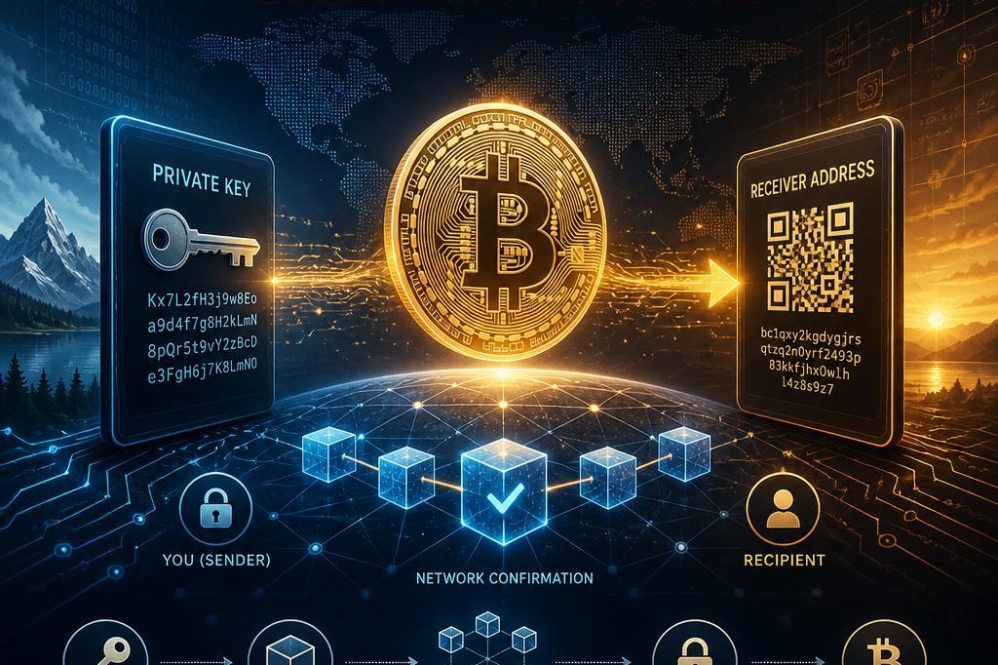
When you send bitcoin (BTC), the process is more like setting up a transaction in a decentralized ledger where everyone can see the details, but no one can change them unless they have the keys. Each transaction starts with the input,which refers to one or more outputs from previous transactions that you control through your private key. Think of it as a puzzle piece that fits perfectly into the bitcoin network’s vast puzzle.
Next, you create an output, where you define how many satoshis (the smallest unit of bitcoin) and to which address (public key) you want to send the BTC. You also need to include a transaction fee, which is like a small payment to the network for processing your transaction and ensuring it is indeed secure and reliable. Without this fee, the transaction might take much longer to confirm or might not be picked up by the network at all.
For everything to go smoothly, you need a bitcoin wallet with a private key. The private key is the secret ingredient that proves you own the BTC and gives you the authority to sign off transactions. When you initiate a transfer, the wallet uses the private key to sign the transaction, ensuring its validity and linking it to your address on the blockchain. It’s crucial to keep your private key secure; losing control of it would mean losing access to your BTC, making private key management incredibly important.
Unpacking The bitcoin Transaction Process Step By Step
When you send bitcoin,the transaction isn’t exactly like sending an email or a text message. It’s more like setting up a small transaction in a decentralized ledger where everyone can see the details but no one can change them unless they have the keys.Each transaction starts with the input, which refers to one or more outputs from previous transactions that you control through your private key. Imagine it as a puzzle piece that fits perfectly into the bitcoin network’s vast puzzle.
Next comes the creation of an output, where you define how many satoshis (the smallest unit of bitcoin) and to which address (public key) you want to send the BTC. Alongside this, you need to include something called a transaction fee. Think of this as a small payment to the network for taking the burden of processing your transaction and ensuring it is indeed secure and reliable. Without this fee,the transaction might take much longer to confirm or won’t be picked up by the network at all.
For everything to go smoothly, you also need a bitcoin wallet with a private key. The private key is the secret ingredient that proves you own the BTC and gives you the authority to sign off transactions. When you initiate a transfer, the wallet uses the private key to sign the transaction, ensuring its validity and linking it to your address on the blockchain. It’s crucial to keep your private key secure; losing control of it would mean losing access to your BTC, making private key management incredibly critically important.
Best Practices For Safeguarding Private Keys And Maintaining Transaction Integrity
Maintaining the integrity of your bitcoin transactions is just as critically important as securing your private keys. When sending BTC, always verify the destination address with multiple methods to prevent sending funds to a fraudulent address. Before broadcasting a transaction, review the recipient’s address, the amount being sentand the fees associated with the transaction to avoid costly mistakes. Use reliable and updated software, such as bitcoin Core or reputable third-party services, to ensure that your transaction details are correct and that you’re connecting to a trusted node. This minimizes the risk of being targeted by cybercriminals and guarantees that your funds are sent securely and as intended.
Another aspect of maintaining transaction integrity involves keeping a close eye on network fee rates. bitcoin transactions may experience delays during busy periods when the network is congested. By checking the fee rates recommended by services like Blockchain.com or Bitinfocharts, you can ensure that your transactions are processed efficiently and don’t get stuck in the backlog. Moreover, consider setting up a transaction alert on your wallet to be notified when your funds are confirmed. This ensures timely awareness and reduces the risk of unauthorized access.
Enhancing Privacy And Security In bitcoin Transfers Through Advanced Techniques
Enhancing privacy and security in bitcoin transactions can be achieved through various advanced techniques that go beyond the basics of using private keys. One such method is the use of a hardware wallet, a physical device designed to store private keys offline, away from the risks of online hacking and malware. This not only secures the keys but also adds an additional layer of control over your transactions by requiring a second factor for any outgoing BTC payments,such as approving transactions directly from the hardware wallet itself.
Another approach to bolster privacy is employing multi-signature (multi-sig) addresses. With multi-sig, a transaction requires the cooperation of several parties to complete a bitcoin transfer. For instance, if you set up a three-of-five scheme, any three out of five key holders must sign off on a transaction before it can proceed to the bitcoin network. This mechanism not only increases security by making it harder for a single hacker to compromise your funds but also introduces a form of democratic control over your wallet, ensuring that no single person has complete control over the funds.
To further anonymize your transactions, consider using privacy-focused services like Wasabi Wallet or Samourai Wallet, both of which prioritize user privacy by breaking the typical connection that links bitcoin addresses to users. These wallets offer features like CoinJoin, where multiple users pool their coins into a single transaction and then split the combined output into separate transactions, making it much harder to trace back individual transactions to a specific user. Incorporating such services into your bitcoin management routine can significantly enhance the obscurity of your digital financial activities.