September 14, 2026

Capitalizations Index – B ∞/21M

Zimbabwe’s Central Bank Bans Financial Institutions From All Crypto Dealings

Zimbabwe’s central bank bans financial institutions from all crypto dealings

Zimbabwe’s Central Bank Bans Financial Institutions From All Crypto Dealings

Zimbabwe’s central bank bans financial institutions from all crypto dealings

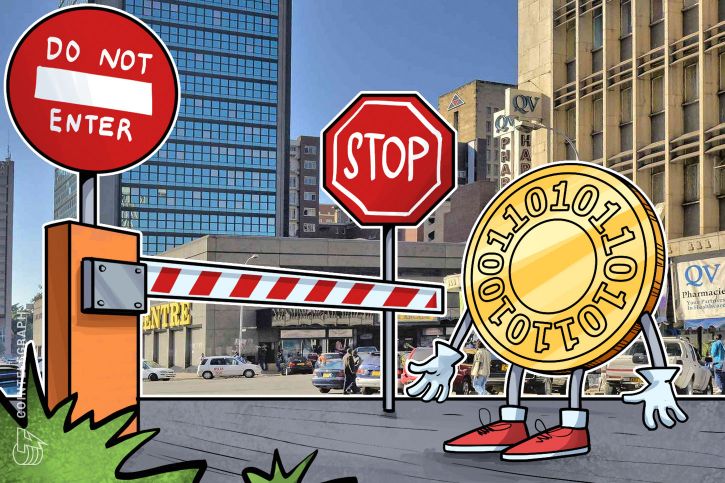
Zimbabwe’s central bank has recently banned dometic financial institutions from dealing with cryptocurrencies, local media outlet NewsDay reports today, May 12.

According to the report, the Reserve Bank of Zimbabwe’s (RBZ)  director and registrar of banking institutions Norman Mataruka issued a circular Friday ordering all financial institutions to terminate servicing cryptocurrency exchanges within 60 days and begin to liquidate existing crypto-related accounts.

Financial institutions have been ordered to “ensure that they do not use, trade, hold and/or transact in any way in virtual currencies,” a move which applies to both businesses and individuals.

Explaining the decision, Mataruka highlighted the interconnectedness of cryptocurrency and the traditional fiat financial system, stating that the RBZ has an “obligation to safeguard the integrity of payment systems”, which the central bank is not prepared to provide for crypto.

NewsDay reports that the RBZ’s governor John Mangudya warned the public in a separate statement that individuals who trade in cryptocurrency in the country do so “at their own risk”:

“Any person who buys, sells, or otherwise transacts in cryptocurrencies, whether online, or otherwise, does so at their own risk and will have no recourse to the Reserve Bank or to any regulatory authority in the country.”

In November 2017, Cointelegraph reported that the RBZ considered the use of cryptocurrencies like Bitcoin (BTC) as payment illegal, until financial authorities develop a regulatory framework for cryptocurrency.

In early April, the Reserve Bank of India (RBI) announced a similar ban, prohibiting all entities under its jurisdiction from dealing with crypto-related businesses or individuals.

RBZ’s move also follows a recent warning against cryptocurrencies from the Central Bank of Kenya (CBK), which issued a circular last month on the risks associated with crypto trading, such as fraud, hacking, and loss of data.

Published at Sat, 12 May 2018 11:51:13 +0000

bitcoin Regulation[wpr5_ebay kw=”bitcoin” num=”1″ ebcat=”” cid=”5338043562″ lang=”en-US” country=”0″ sort=”bestmatch”]


Previous Article

Moneda digital concepto Utacoin

Next Article

At Ethereal Summit, A Human Face On A High-Tech Future

You might be interested in …

North Korea Trying to Hack Bitcoin Exchanges

In a desperate bid for financial resources, North Korea and Kim Jong-un are unleashing hackers against bitcoin exchanges.


The continuing rise in bitcoin value has had a lot of positive effects. People have made a lot of money on the cryptocurrency’s rise, and the accompanying headlines have brought more people into the crypto world. However, there is a downside to bitcoin skyrocketing in value, which is having unsavory characters trying to get their hands on it through illegal means. One of the more notable black hats in this regard is Kim Jong-un and North Korea, who security experts say are targeting Bitcoin exchanges due to the digital currency’s increased demand.

Targeting bitcoin

North Korea used to focus their cyber espionage on traditional state activities. That all began to change in 2016, when the cyber security company FireEye began to note that North Korea began to target banks and the global financial system. 2017 has seen several attacks against South Korean cryptocurrency exchanges, and this activity has since spread to banking groups in Europe and South Korea, bitcoin exchanges, and even an ATM company.

Independent security expert Ashley Shen notes:

We assume one of the reasons why bitcoin is being attacked is because the price keeps increasing and we think it’s reasonable for hackers (to target). Digital currency might be easier to gain than physical currency. So I think it’s reasonable.

Security experts have followed attacks by various hacking groups, such as Andariel, Lazarus, and Bluenoroff, and these groups are suspected to be front groups for North Korea.

Shen adds:

Before when we tracked nation-state attackers, they usually perform cyber attacks which are aimed at confidential data and intelligence. However recently we’ve discovered that some of the APT (Advanced Persistent Threat) groups are trying to hack financial institutions like banks and bitcoin exchanges to gain financial profit.

North Korea Needs Money

While North Korea always seems to be up to some mischief, these ongoing attacks against bitcoin exchanges is likely a sign of desperation. The country has been isolated due to crippling sanctions, and those sanctions were recently further enhanced by the Trump administration.

In late November, the US government targeted 13 companies, 20 vessels, and 1 individual for engaging in trade with North Korea, At that time, US Treasure Secretary Steven Mnuchin stated:

As North Korea continues to threaten international peace and security, we are steadfast in our determination to maximize economic pressure to isolate it from outside sources of trade and revenue while exposing its evasive tactics.

Overall, the already meager North Korean economy has been crippled by economic sanctions. So it comes as no surprise that they wish to hack into bitcoin exchanges in an effort to steal bitcoins as the cryptocurrency surges in value. Ashley Shen believes that such attacks are not going away any time soon, saying:

My own opinion is they will probably keep doing the Bitcoins because the price keeps increasing and it’s a good investment… So I assume they will do more bitcoin attacks and of course they will keep targeting banks because that’s what they did before.

Are you worried about North Korea hacking into bitcoin exchanges? Let us know in the comments below.


Images courtesy of Pixabay and Bitcoinist archives.

The post North Korea Trying to Hack Bitcoin Exchanges appeared first on Bitcoinist.com.

New chrome extension exposes twitter users’ cryptocurrency bias

New Chrome Extension Exposes Twitter Users’ Cryptocurrency Bias

New Chrome Extension Exposes Twitter Users’ Cryptocurrency Bias A new Chrome browser extension called Coinflict of Interst for the Twitter cryptocurrency community aims to expose “bias” in the content well-known figures upload to the social […]