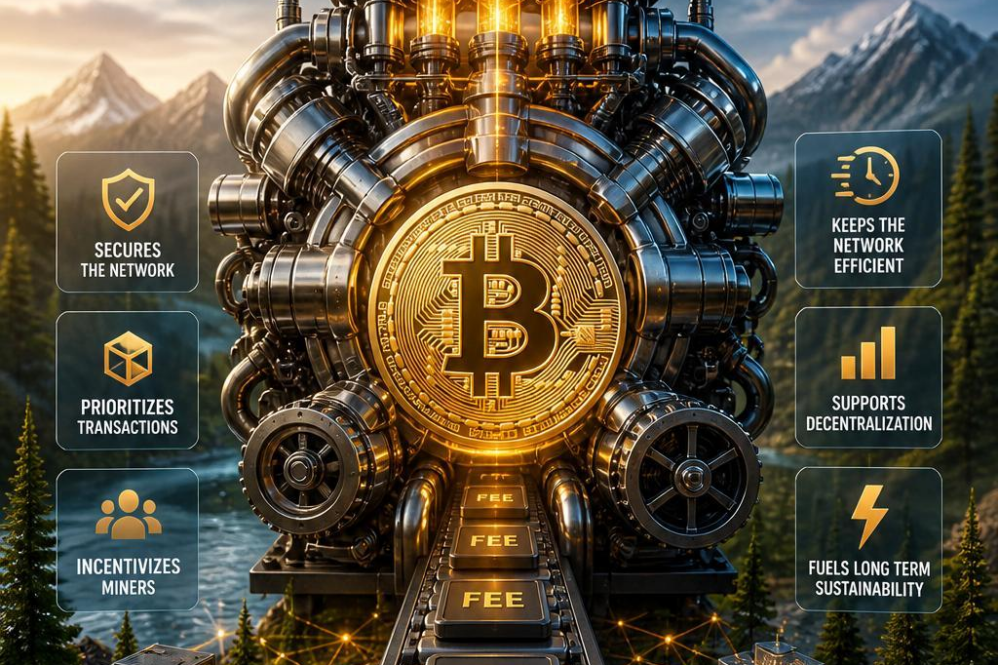
The Essential Role of Transaction Fees in Maintaining Network Security
Transaction fees are a vital part of the bitcoin network, acting as a shield against spam and a way to prioritize transactions. For users, these fees represent the cost of getting space on the blockchain. As demand for transactions changes, so do the fees, similar to how prices adjust in regular markets. Miners, who verify and record transactions, earn these fees, which encourages them to process larger, more profitable transactions rather of smaller ones. This keeps the network running smoothly and protects it from attacks.
Transaction fees also act as a gatekeeper, preventing Sybil attacks where fake identities overwhelm the network. They discourage malicious activities like flooding the system with low-value transactions, which could slow down legitimate operations. Fees aren’t static; they change based on network conditions, ensuring efficiency even during peak times. This flexibility is key to the blockchain’s integrity and stability.Miners play a crucial role in this system. They decide which transactions to include in the next block based on the fees. Higher fees make transactions more attractive to miners, ensuring quicker confirmation times and reducing the risk of transaction failure. This competition among miners keeps the network running efficiently and fairly.
Understanding How Transaction Fees Influence Mining Priorities and Blockchain Efficiency
Transaction fees aren’t just a cost; they’re the lifeblood of the bitcoin network, dictating how quickly and in what order transactions are confirmed. Miners, who process these transactions, can pick and choose which ones to include based on their fees. Transactions with higher fees get prioritized,ensuring quicker confirmation times and reducing the risk of failure. This system incentivizes miners to focus on high-value transactions, maintaining a steady flow of activity and revenue.
Imagine a restaurant kitchen with limited stoves and a queue of orders waiting to be cooked. The chef can only handle so many orders at once and must decide which orders to prioritize based on factors like tip size or urgency. Orders with larger tips move up the queue, while others wait. Similarly, the blockchain must balance efficiency and fairness among its users to keep the system running smoothly. This balance is crucial for sustaining bitcoin’s reputation for reliability and speed.
Strategic Recommendations for Balancing Transaction Costs and User Experience in bitcoin
it’s critically important to implement strategies that enhance the network’s resilience while keeping it accessible.One approach is to introduce dynamic fee mechanisms that adjust based on network congestion. User-pleasant interfaces can automatically suggest optimal fees for different transaction types. Such as, a simple feature could inform users whether their transaction is time-sensitive and recommend a standard fee or an expedited one for quicker blockchain confirmation.
Another effective recommendation involves the development of second-layer solutions and payment channels that reduce the need for direct blockchain transactions. Technologies like Lightning Network provide a compelling option, allowing users to make numerous micropayments with minimal fees by establishing trustless, off-chain payment channels. By routing transactions through these channels, the main blockchain remains relatively unburdened, ensuring that high-impact transactions can proceed with lower fees and less congestion.
Lastly,community education plays a pivotal role in helping users understand why transaction fees are necessary and how to optimize their usage. Clear guidelines and tutorials can empower individuals to make informed decisions about when and how to send transactions. For example, a guide could provide insights into when it’s acceptable to use lower fees, such as during periods of low network activity, and when higher fees are warranted, like during major events or when high demand is anticipated. Educating users about the network’s capacity and peak times can greatly enhance their experience and contribute to a more enduring bitcoin ecosystem.
The Vital Link Between Transaction Fees and Incentivizing Future Technology Innovations
Transaction fees in bitcoin are a critical element for maintaining the network’s health and stability. They serve as an incentive for miners to validate and include transactions in the blockchain. Without these fees, mining could become less attractive, especially as the supply of newly minted bitcoin decreases over time. This creates a scenario where the network relies heavily on transaction fees to incentivize miners to continue securing the blockchain.
When the network is congested, due to a high volume of transactions waiting to be confirmed, these fees rise to reflect the scarcity of blocks available for inclusion. This price adjustment not only discourages spam transactions but also ensures that essential and high-value transactions get prioritized and confirmed more quickly. Miners have an economic incentive to optimize the way they select transactions for the next block, thereby maximizing their income from the most profitable transactions.
Transaction fees also drive technological innovation within the cryptocurrency space.They encourage developers and entrepreneurs to find more efficient ways of transacting and to innovate beyond the confines of customary blockchains. For instance, the rise of transaction fee reduction technologies like the Lightning Network, a second-layer scaling solution, is directly linked to the need for lower cost and faster transactions. By addressing the pain points that arise due to high fees, such innovations help to enhance the overall user experience and scalability of bitcoin, fostering a healthier and more competitive habitat for all participants.