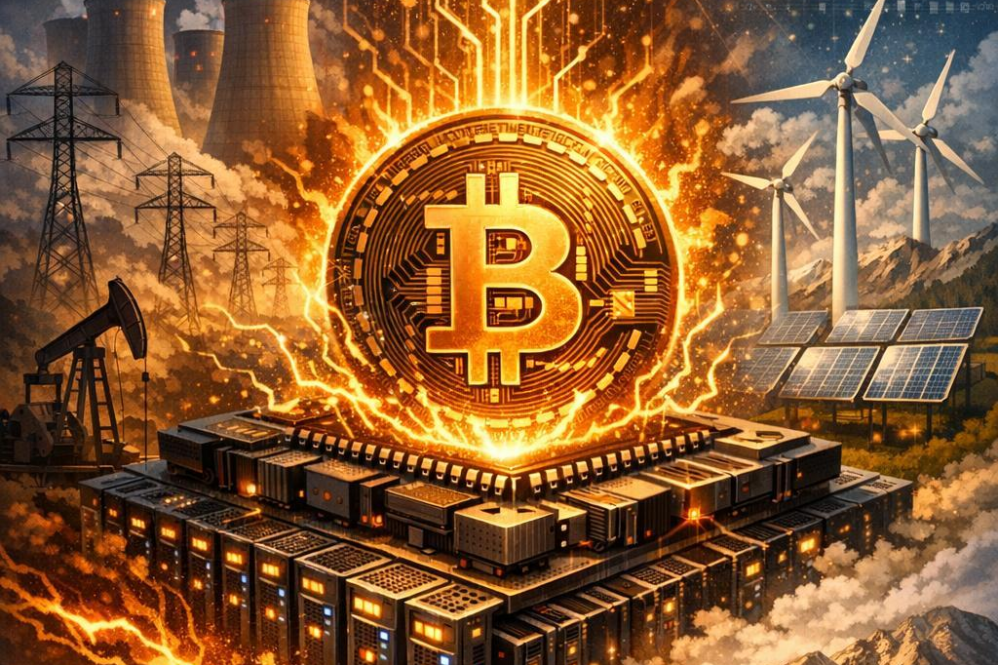
The Mechanisms Behind bitcoin Mining and Its Energy Demands
at the core of bitcoin mining lies an intricate process known as Proof of Work (PoW). This mechanism requires miners to compete in solving complex cryptographic puzzles, which serve to validate and secure new transactions on the blockchain. Each solution demands enormous computational power because miners must perform trillions of calculations per second, attempting to find a hash value that meets stringent criteria. This intense computational effort prevents fraud and keeps the decentralized ledger trustworthy.
The energy consumption stems directly from the scale and intensity of the hardware involved.Miners deploy specialized devices called ASICs (Request-Specific Integrated Circuits) that operate continuously at high power levels to maximize chances of earning bitcoin rewards. Unlike general-purpose computers, these machines are optimized solely for the mining process, pushing electricity usage to staggering numbers. Cooling systems, network infrastructure, and mining pool coordination further contribute to the overall energy footprint.
To illustrate key components influencing mining energy demands, consider the following breakdown:
| Factor | Description | Impact on Energy Use |
|---|---|---|
| Computational Difficulty | Increasing puzzle complexity | Requires more calculations per block |
| hardware Efficiency | ASICs optimized for mining | Improves energy use but still power-heavy |
| Operational Hours | 24/7 mining activities | Constant power draw over time |
| Cooling systems | prevent overheating of hardware | Additional electricity consumption |
This complex interplay of factors not only explains why bitcoin mining is exceptionally energy-intensive but also why its environmental footprint remains a vital subject in the evolving digital currency ecosystem.
Environmental Impact of Cryptocurrency Mining Activities
bitcoin mining relies on an intensive process called Proof of Work (PoW), which requires miners to solve complex mathematical puzzles to validate transactions and add them to the blockchain.This computational effort demands powerful hardware operating continuously, leading to a colossal consumption of electricity. The energy expenditure is not just a function of the network’s operational intensity but also the competitive nature of mining, where miners race to solve puzzles faster by deploying ever more efficient and energy-hungry devices.
Unlike customary server operations, the energy consumption is exponentially higher because the difficulty level automatically adjusts based on the network’s total computational power. This creates a feedback loop, incentivizing miners to invest in more advanced ASICs (Application-Specific Integrated Circuits) that draw massive amounts of power. Consequently,mining farms can consume electricity comparable to entire small cities. The environmental repercussions of such consumption include an increased carbon footprint,particularly in regions where electricity generation is still heavily reliant on fossil fuels.
Below is a simplified overview comparing energy consumption levels:
| Type of Activity | Approximate energy Use (kWh/year) |
|---|---|
| Typical Household | 3,500 |
| Data Center | 10,000,000 |
| Small bitcoin Mining Farm | 50,000,000+ |
- Energy Inefficiency: The energy used does not translate to productive output beyond network security and transaction validation.
- Environmental impact: High energy demand contributes to greater greenhouse gas emissions where fossil fuels are the primary power source.
- Economic Disparity: Mining is often concentrated in geographic areas with cheap electricity, which may involve unsustainable energy practices.
Technological innovations to Reduce Energy Consumption in bitcoin Mining
Advancements in the efficiency of mining hardware have proven crucial in addressing the energy demands of bitcoin mining. By transitioning from traditional CPUs to GPUs and ultimately to Application-Specific Integrated Circuits (ASICs), miners have been able to perform more calculations with less power. These ASICs are engineered specifically for hashing algorithms used in bitcoin, boosting processing power while drastically cutting down energy waste compared to previous technologies.
Beyond hardware enhancements,innovative cooling techniques are playing a vital role in energy reduction. Immersion cooling, where mining rigs are submerged in specialized non-conductive liquids, significantly curbs heat generation without the energy cost of conventional air conditioning. This not only prolongs equipment lifespan but also slashes electricity consumption, creating a more enduring operational environment for mining farms.
Moreover, integrating renewable energy sources represents a transformative approach to tackling bitcoin’s power appetite. Solar,wind,and hydroelectric power systems are increasingly being adopted at mining sites worldwide. These technologies are often paired with smart energy management systems to optimize consumption patterns, ensuring miners capitalize on clean power availability and reduce dependency on fossil fuels.
Practical Strategies for Sustainable and Efficient Cryptocurrency Mining
Optimizing energy consumption begins with adopting renewable energy sources tailored to the specific demands of mining operations. Solar, wind, and hydroelectric power not only reduce carbon footprints but can also significantly lower operational costs over time.Innovative mining farms are increasingly locating in regions abundant in green energy, converting environmental challenges into strategic advantages. Furthermore, the integration of energy-efficient hardware that balances computational power with lower energy draw is imperative for reducing the overall electricity burden.
Virtualizing mining processes through cloud-based systems or pooled mining helps distribute power usage more evenly, maximizing resource utilization. By sharing computational tasks among multiple participants, the energy expenditure per bitcoin mined decreases substantially. Additionally, incorporating smart cooling technologies, such as liquid cooling or immersion cooling systems, reduces the waste heat generated and conserves electricity that would or else be spent on traditional air conditioning systems.
Careful monitoring and analysis of energy consumption through advanced analytics platforms empower miners to identify inefficiencies and optimize operations in real time. Periodic audits combined with adaptive algorithms can adjust power distribution and machine workload, resulting in consistent improvements in sustainability metrics. Below is a comparison table outlining the impact of common strategies on energy efficiency and environmental duty:
| Strategy | energy Efficiency | Environmental impact | Cost Implication |
|---|---|---|---|
| Renewable Energy Integration | High | Critically important Reduction | Medium to High Initial |
| Hardware Optimization | Medium | Moderate Reduction | Low to Medium |
| Pooled Mining & Cloud Systems | High | Variable | Low |
| Advanced Cooling Solutions | High | Moderate Reduction | Medium |
| Real-time Energy Analytics | Medium | Indirect Reduction | Low |

