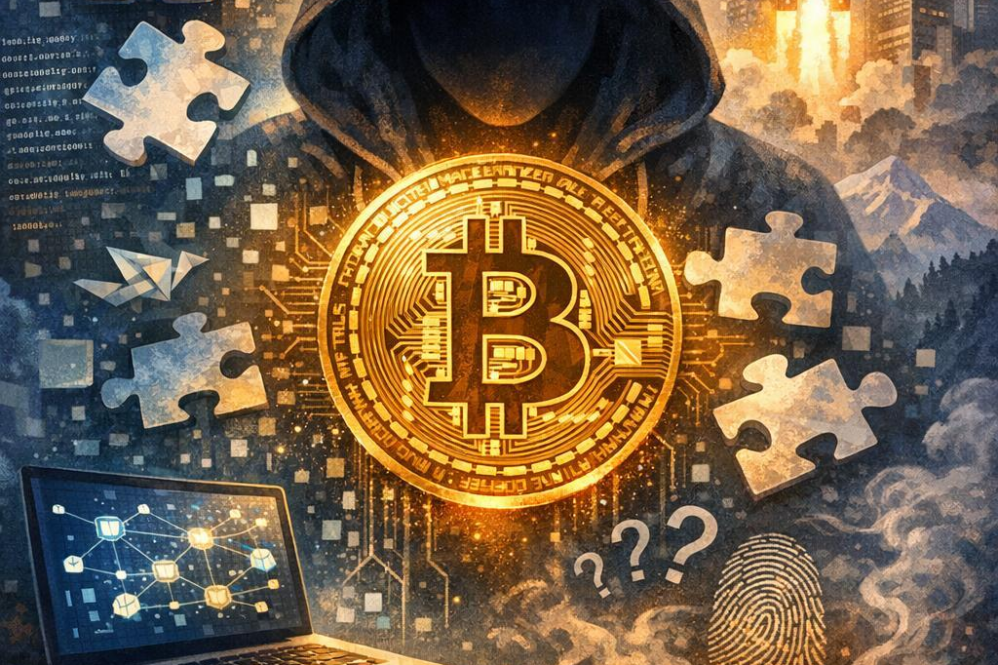
Who is Satoshi Nakamoto Exploring the Mysterious Creator of bitcoin
The identity of the individual or group behind bitcoin remains one of the most enduring mysteries in the world of technology and finance.Known by the pseudonym Satoshi Nakamoto, this enigmatic figure introduced the revolutionary concept of a decentralized digital currency in 2008. Despite extensive investigation and speculation, no verifiable personal details or definitive proof has emerged to conclusively reveal who Satoshi is. This anonymity has only fueled intrigue, as the innovation sparked a global financial disruption without a face to claim credit or duty.
satoshi’s creation of bitcoin not only introduced a new kind of currency but also pioneered the blockchain technology that underpins it – a secure, transparent ledger system independant of centralized control. Key attributes associated with Satoshi Nakamoto include:
- The publication of the original bitcoin whitepaper
- Mining of the first block, known as the “genesis block”
- Initial software development and network configuration
- Sudden disappearance from public view around 2010
These actions suggest a figure with profound cryptographic expertise, programming skill, and an understanding of economic principles, making the mystery all the more compelling.
| Aspect | Known Facts | Unanswered Questions |
|---|---|---|
| Communication | Emails, forum posts | True identity behind the pseudonym |
| Technical Skills | Advanced cryptography, programming | Motivation for anonymity |
| Legacy | Creation of bitcoin, blockchain | Current whereabouts or involvement |
Despite numerous theories suggesting names from individual cryptographers to entire teams, the enduring secrecy around Satoshi Nakamoto reinforces the legend – a timeless reminder that some innovations transcend their creators and ignite revolutions in unexpected ways.
Unraveling the Origins and Impact of bitcoin’s Revolutionary Whitepaper
The bitcoin whitepaper, published in 2008, introduced a groundbreaking concept that challenged traditional understandings of currency and trust. behind this document is the mysterious figure known as Satoshi Nakamoto, whose true identity remains unknown to this day. This digital revelation not only described a decentralized monetary system but also outlined the foundations of blockchain technology, which has since permeated multiple sectors beyond finance.
The enigmatic author managed to combine cryptographic principles, peer-to-peer networking, and economic incentives into a seamless innovation.The whitepaper’s clarity and foresight sparked a movement that:
- Enabled secure, trustless financial transactions without intermediaries
- Inspired thousands of alternative cryptocurrencies and blockchain projects
- Redefined digital asset ownership and transfer through decentralized consensus
This unique blend of technology and ideology captured the imagination of technologists, economists, and libertarians alike, fostering a new era of digital empowerment.
Key innovations outlined in the whitepaper:
| Innovation | Description |
|---|---|
| proof of Work | A mechanism to secure the network by requiring computational effort. |
| Decentralized Ledger | A public record of transactions maintained by multiple nodes globally. |
| Digital Signatures | Ensured authenticity and ownership of bitcoins transferred. |
Though Nakamoto’s identity is shrouded in mystery, the impact of the whitepaper transcends who authored it. The document remains a cornerstone of digital trust innovation, setting the stage for future transformations in how the world perceives money and authority.
Analyzing Theories and Evidence Surrounding Satoshi Nakamoto’s Identity
Over the years, numerous theories have emerged attempting to demystify the enigma that is Satoshi Nakamoto. Some speculate that he is a solitary genius, while others argue for the possibility of a collaborative group or even an institution behind the pseudonym. These hypotheses are fueled by the scarce corpus of writings attributed to Nakamoto, remarkable cryptographic prowess, and a deep understanding of economics. The multifaceted nature of these clues suggests that the true identity might blend technical brilliance with a nuanced grasp of societal finance systems.
Key elements fueling the speculation include:
- Writing Style and Language proficiency: Analyses point to subtle variations suggesting multiple contributors or a non-native English speaker masking origins.
- Timing and Geographic Hints: Early online activity patterns hint at probable time zones, while some technical markers reveal international collaboration.
- Technological and Financial Expertise: The seamless integration of cryptography and economic theory in bitcoin’s design is rarely found in a single individual.
| Theory | main Proponent(s) | Supportive Evidence |
|---|---|---|
| Single Genius | Various cryptographers | consistent coding patterns and coherent vision |
| Collective Group | Blockchain analysts | Diverse language cues and collaborative coding style |
| Government agency | Conspiracy theorists | Strategic launch timing, funding speculation |
Guidelines for Maintaining Privacy and Security in the Decentralized bitcoin Network
In the decentralized bitcoin network, safeguarding privacy and security requires a blend of vigilant practices and technical know-how. Users must always prioritize strong password management and leverage multi-factor authentication wherever possible. By doing so, they create an additional barrier against unauthorized access to wallets and sensitive data.Moreover, using reputable and regularly updated wallet software ensures that security patches are applied promptly, mitigating risks of exploitation through vulnerabilities.
Another cornerstone of privacy protection lies in transaction opacity. Unlike traditional banking, bitcoin’s ledger is public; therefore, users should adopt techniques such as coin mixing or employing privacy-focused wallets that help obfuscate transaction trails. Avoiding reuse of addresses and implementing stealth addresses can also substantially reduce the risk of transaction traceability, maintaining user anonymity in the network’s transparent ecosystem.
| Best Practices | Purpose |
|---|---|
| Use cold storage wallets | Prevent online hacking |
| Regularly update software | Patch security vulnerabilities |
| Enable 2FA (Two-Factor Authentication) | Enhance account security |
| Opt for privacy tools (e.g., coinjoin) | Hide transaction trails |
Lastly, constant vigilance against phishing attempts and social engineering attacks forms the final line of defense. Users must be wary of unsolicited communications requesting private keys or seed phrases. Employing hardware wallets isolates private keys from internet exposure,significantly lowering the risk of theft. by integrating these multilayered security strategies, individuals can confidently navigate the bitcoin network while preserving both privacy and assets.