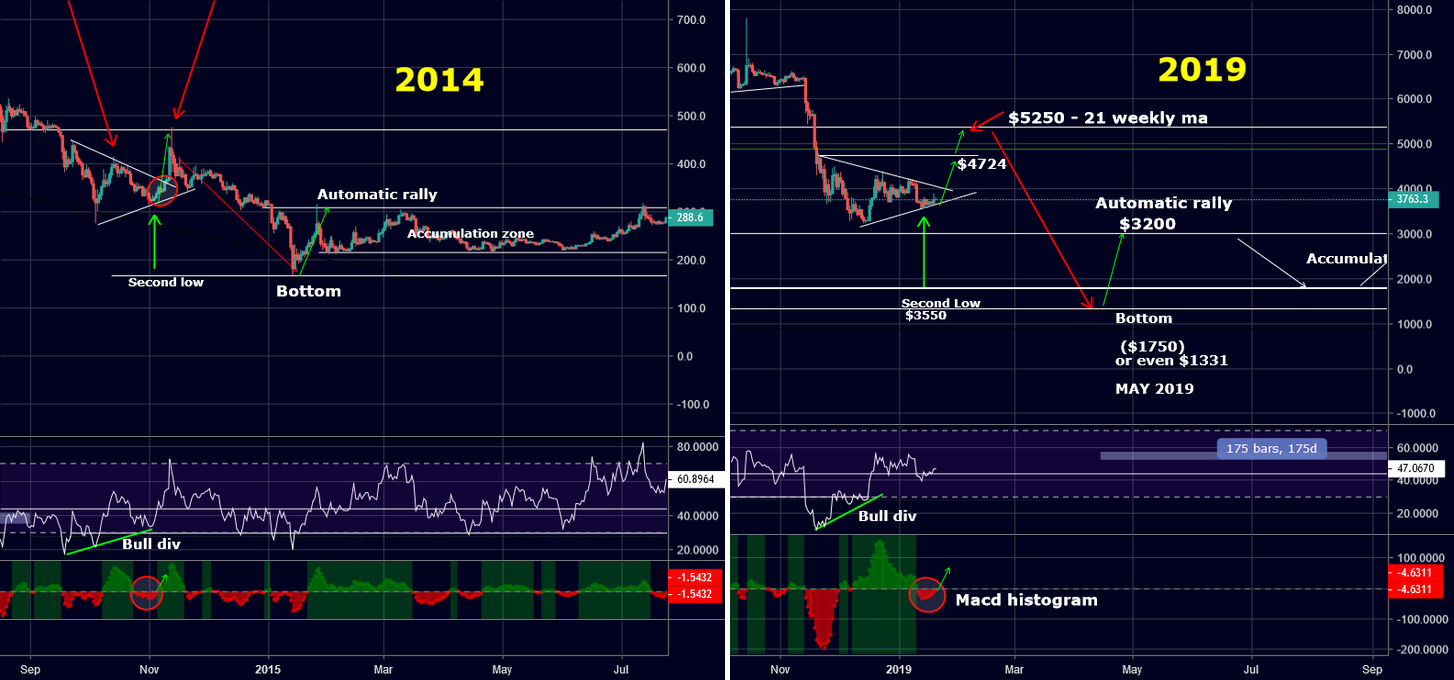
HODL is a term adn strategy in teh cryptocurrency world that refers to holding bitcoin (and often other digital assets) for the long term despite sharp price swings. Originating from a 2013 online forum post and later embraced as an acronym for “hold on for dear life,” HODL reflects an investment ideology that prioritizes long-term conviction over short-term trading, aiming to capture potential long-term recognition while weathering volatility. Practically, HODL involves considerations such as secure custody, portfolio allocation, risk tolerance, and disciplined capital deployment methods like dollar-cost averaging. While proponents cite ancient bitcoin rallies as support for this approach, critics warn that prolonged holding does not eliminate downside risk and requires emotional resilience and sound risk management.
Note: the provided web search results were unrelated to HODL and reference Puddles Pity Party instead .
What HODL Means and How the Term Originated in bitcoin Culture
HODL began as a simple typographical error that evolved into a defining term of bitcoin culture: a forum user wrote “I AM HODLING” during a bout of market volatility, and the misspelling rapidly became shorthand for resisting panic-selling and maintaining a long-term position in bitcoin . Over time the community retrofitted the acronym into phrases like ”Hold On for Dear Life,” but its core meaning remains literal – to hold rather than trade during sharp price moves.
In practice, HODL describes a behavioral approach and trading stance: long-term ownership, tolerance for volatility, and purposeful non-reaction to short-term market noise. Typical hallmarks include:
- Time horizon: months to years rather than days.
- Decision rule: ignore short-term price swings.
- Psychology: emphasis on conviction and discipline over timing the market.
| Strategy | Time horizon | Typical Action |
|---|---|---|
| HODL | Months-Years | hold through dips |
| Active Trading | Minutes-Weeks | Buy/sell on signals |
beyond strategy, the term functions as a cultural touchstone: it is a meme, a rallying cry in downturns, and a shorthand for the mental discipline required to ride bitcoin’s highs and lows.Forum discussions and community threads often treat HODLing as both a practical tactic and a psychological exercise in resisting fear-driven decisions, reinforcing its status in bitcoin folklore .
Why Long Term Holding aligns with bitcoin fundamentals and Network Effects
bitcoin’s protocol-level characteristics – open-source development, peer-to-peer consensus, and issuance capped by protocol rules – create an economic framework where patience can be a rational strategy.These fundamentals make the asset resistant to unilateral control and dilution, so holding captures value that is embedded in the protocol itself rather than in short-term market narratives.
network effects magnify those fundamentals: as more users, wallets, services and infrastructure join the system, liquidity and utility increase, making each unit of bitcoin more useful and harder to replace.This compounding of adoption and security is a key reason long-term ownership can outpace active trading for many participants. The simple table below illustrates how core properties translate into sustained advantages for long-term holders.
| Fundamental | Long-term effect |
|---|---|
| Fixed supply | Store of value potential |
| Decentralized consensus | Censorship resistance |
| Growing ecosystem | Greater liquidity & utility |
- Scarcity: Holding preserves exposure to the finite issuance schedule rather than repeatedly realizing gains into fiat.
- Security of participation: Long-term holders benefit from network security improvements and broader infrastructure without paying repeated entry costs.
- Reduced behavioral drag: Less trading means fewer taxes, fees, and errors that erode long-term outcomes.
these behavioral and technical alignments are reinforced by ongoing development and network participation: active open-source development increases protocol resilience and more full nodes and services improve reliability and access. The sustained growth of the blockchain and ecosystem-visible even in practical matters like node sync and storage requirements-reflects a maturing network where patient holders capture utility and optionality over time.
Assessing Volatility and the Psychological Challenges of Holding Through drawdowns
Volatility is a defining characteristic of bitcoin – price swings of tens of percent over weeks are not uncommon, and drawdowns can test even experienced investors. These large moves are rooted in bitcoin’s market structure, liquidity profile, and its role as a decentralized, peer‑to‑peer digital money with an open design, which encourages global, permissionless participation rather than centralized price‑stability mechanisms.
the psychological burden of enduring drawdowns often outweighs the arithmetic of long‑term strategy. Common emotional responses include:
- Loss aversion: magnifying the pain of declines relative to equivalent gains.
- Recency bias: assuming a short slump predicts long‑term collapse.
- Herding: capitulating when others sell in panic or chase rallies in euphoria.
These reactions can lead to impulsive trades that crystallize losses rather of allowing a disciplined plan to play out.
| Drawdown | Typical timeframe | Practical response |
|---|---|---|
| 10-30% | Days-weeks | Reinforce plan; avoid knee‑jerk trading |
| 30-60% | Weeks-months | Dollar‑cost average or review allocation |
| 60%+ | Months-years | Reassess thesis; consider staged reentry |
Mitigating the psychological strain requires concrete rules and reliable infrastructure. Adopt clear rules (position sizing, stop policies, rebalancing cadence), use disciplined techniques like dollar‑cost averaging, and secure holdings with reputable wallets and custody options – evaluate wallet choices and security practices before committing capital. Remember that the same decentralized, open‑source design that drives volatility also underpins the long‑term narrative many HODLers rely on; aligning process to that reality reduces emotional decision‑making.
Risk Management Strategies for HODLers Including Position Sizing and Diversification
Size positions to match your risk capacity. Allocate a fixed percentage of your total investable capital to bitcoin rather than guessing hard limits during market swings. Practical rules include:
- Core-satellite: maintain a steady core HODL allocation (e.g., 1-10% of net worth) and use a smaller satellite allocation for higher-risk exposure.
- DCA (dollar-cost averaging): buy at regular intervals to reduce timing risk.
- Max single-position cap: limit any one crypto position to a predefined percent of your portfolio.
Consider seeking formal advice or documented procedures when formalizing position rules, similar to how institutions set supervisor guidelines for responsibilities .
Spread exposure across non-correlated buckets. Diversification for HODLers means more than holding other tokens – it’s about balancing risk across asset classes (cash, bonds, equities, stablecoins, precious metals, and crypto). Simple approaches:
- By asset class: allocate portions to fiat or low-volatility assets to preserve capital during drawdowns.
- By use-case: keep liquid emergency funds separate from long-term crypto holdings.
- By custody: split holdings between cold storage and reputable custodial solutions.
Think of combining academic knowledge and practical guidance when building diversified plans, an approach echoed in dual-mentor training models that pair theory with applied oversight .
Operational risk controls protect the plan. Security and routine procedures reduce the chance that volatility is compounded by avoidable losses. Key practices include: hardware wallets, multi-signature setups, encrypted backups, and audited custodians. Below is a concise reference table of common measures and their purpose (WordPress table styling):
| Measure | Purpose |
|---|---|
| Hardware wallet | Offline private-key protection |
| Multi-sig | Distribution of signing power |
| Cold storage | Long-term, isolated custody |
for institutional-style practices and compliance checkpoints that apply to long-term programs, review frameworks used in academic-industry collaborations and formal mentorship oversight .
Manage behavioral risk with rules and automation. Volatility tests discipline; pre-commitment and automation help preserve a long-term stance. Tactics that work for HODLers:
- Predefined rebalancing triggers: decide percentages and timeframes in advance.
- Automated buys: use recurring purchases to avoid emotional timing.
- Stress-testing checklists: simulate extreme scenarios and confirm operational readiness.
Keep documentation of your strategy and periodic review intervals so decisions remain procedural rather than panic-driven – a practice analogous to formal mentor-reviewed plans in structured programs .
Tax Planning and Regulatory Considerations for Long Term bitcoin Holders
Long-term holders should treat bitcoin as a taxable asset in many jurisdictions: gains or losses are typically recognized when you dispose of coins (sell, trade, or use them to buy goods), and the magnitude depends on your cost basis and holding period. Short-term vs. long-term classifications often change the tax rate applied to gains, so tracking acquisition dates and amounts is essential. Maintain clear records of purchase price, dates, and any fees that adjust basis to accurately compute capital gains or losses when a taxable event occurs.
Regulatory frameworks around crypto continue to evolve; exchanges and custodial services commonly enforce KYC/AML rules and may report activity to tax authorities. Consider the compliance implications of where you buy, sell, or store bitcoin-using noncustodial wallets can affect your privacy but does not remove reporting obligations. Key practical steps include:
- Retain transaction histories from wallets and exchanges.
- Use reputable counterparties with clear reporting practices.
- Understand local rules for gifts,inheritance,forks and airdrops,which can trigger taxable income or separate reporting requirements.
Good recordkeeping is the foundation of responsible long-term holding: export and back up wallet transaction logs, preserve exchange statements, and consider portfolio tax software to compute realized and unrealized positions.If you operate infrastructure such as a full node or run archival backups for proof-of-ownership, be aware that maintaining a local copy of the blockchain requires bandwidth and disk space-details about initial synchronization and storage needs are provided by client resources and documentation . Also document the provenance of coins received from forks or airdrops, as those events are often treated differently for tax purposes.
| Event | Typical Tax Treatment | Immediate Action |
|---|---|---|
| Sale after >1 year | Long-term capital gain/loss | Record sale date & proceeds |
| Spend bitcoin | Disposition – capital gain/loss | Document fair market value at spend |
| Airdrop/fork | Possible ordinary income | Document receipt date & value |
Note: Tax outcomes vary by country and situation; consult a qualified tax advisor to align your long-term strategy with current laws and reporting obligations.
When to Rebalance Sell or Add More Practical Triggers and Rules
Maintain a core-and-satellite structure: keep a permanent core allocation to bitcoin that reflects your long-term conviction, and treat any rebalancing as adjustments to satellites around that core. Establish a clear target allocation (for example, 5-20% of investable assets) and accept a predefined drift band.When allocations move beyond that band, rebalancing becomes a rule-driven task, not an emotional reaction.
Use concrete, measurable triggers:
- Allocation drift: rebalance when bitcoin weight deviates by more than ±10-25% of your target.
- Time-based checks: review quarterly or annually to avoid over-trading.
- Valuation events: consider partial profit-taking at round multiples (2x, 5x, 10x) of your average cost.
- Technical confirmations: use moving-average crossovers or macro regime shifts as secondary confirmations, not sole triggers.
- Life or tax events: rebalance for liquidity needs, large purchases, or tax-loss harvesting windows.
Concrete rules for selling vs. buying: define percentage-based actions so execution is simple and repeatable. Example rules: sell 20% of holdings when allocation hits +25% drift or when price reaches a pre-set multiple; add 10-25% gradually when allocation falls below −15% or after confirmed technical support. Use dollar-cost-averaging for buys and laddered sells for volatility-execute in tranches (e.g., 4-5 equal parts) to reduce timing risk.
Execution, record-keeping and safety: implement staggered orders, set maximum trade frequency per quarter, and document each rebalance decision to avoid hindsight bias. Keep emergency cash to prevent forced selling, account for tax implications before executing large rebalances, and secure account credentials and recovery mechanisms to maintain access and control .
Using Dollar Cost Averaging and Cold Storage to Reduce Emotional Trading and Theft Risk
Dollar-cost averaging (DCA) turns exposure into a predictable habit: buy a fixed amount of bitcoin on a recurring schedule rather of trying to time tops and bottoms.This method smooths entry price over time, reduces the impulse to sell after sudden drawdowns, and converts market noise into routine. For many long-term holders, the discipline of automated purchases is the most effective guardrail against fear-driven trading and the urge to chase short-term gains.
Cold storage minimizes theft risk by keeping private keys offline. Typical approaches range from hardware wallets to fully air-gapped paper or metal backups. Best practices include:
- Split backups (seed sharding) and geographically distributed storage
- Encrypt and test restores periodically
- Use hardware wallets from reputable vendors and verify firmware
These measures reduce the attack surface and make it far harder for remote attackers or malware to compromise holdings.
Combine process and protection by automating DCA into an exchange or brokerage, then transferring accumulated amounts to cold storage according to a threshold (for example, every weekly or monthly aggregation or when a balance reaches a set value). A simple reference table helps teams and individuals choose an appropriate workflow:
| Storage | Access | Theft Risk | When to Use |
|---|---|---|---|
| Hardware Wallet | Moderate | Low | Everyday long-term use |
| Paper/Metal Seed | Low | very low (physical risk) | cold backup |
| Custodial | High | Higher (counterparty) | Quick access / trading |
Mental and fiscal advantages: automated buying reduces emotional decision fatigue,and segregating holdings into cold storage prevents reactive selling after hacks or price shocks. While fiat currencies like the [[1]]and its institutional frameworks provide liquidity and protections, the combination of DCA plus offline key custody is the practical, security-first strategy most HODLers use to preserve position through volatility ().
Measuring Success with Time Horizon Metrics and Exit Criteria for HODL Strategies
Quantitative success for a HODL strategy is not merely whether a position ends higher than it began; it requires measuring returns against volatility and downside risk over appropriate windows. Core metrics include CAGR (compound annual growth rate) to capture long-run performance, maximum drawdown to quantify peak-to-trough loss, and a volatility-adjusted return metric such as the Sharpe ratio. Complement these with behavioral metrics-drawdown duration (how long you stay below peak) and recovery time-to assess whether a chosen horizon is psychologically and financially lasting.
different investors define “long-term” differently; aligning horizon to objectives clarifies success. The table below offers a concise mapping of common horizons to simple, actionable exit thresholds used by HODLers.
| Time Horizon | Typical Length | Sample Exit Criterion |
|---|---|---|
| Short HODL | 1-3 years | Time-based review or >30% realized loss limit |
| Intermediate | 3-7 years | Rebalance when allocation deviates ±25% or on major regime change |
| Long HODL | 7+ years | Periodic tax-loss harvesting; only exit for structural reasons |
Exit criteria should be explicit and rule-based to avoid emotion-driven responses during volatility. Consider mixing approaches:
- Percentage-based stops or targets (e.g., sell 10% at +100% realized gains to lock profit).
- Time-based reassessments (e.g., review holdings annually and after major halvings or protocol events).
- Fundamental triggers such as loss of network security assumptions, regulatory dislocation, or personal financial needs.
Measure overall success by combining these components into a monitoring dashboard: rolling CAGRs, current drawdown, allocation drift, and a log of triggered exits and their rationales. Backtest common horizons and exit rules on historical price series and maintain reproducible analysis and scripts in versioned repositories to ensure openness and repeatability-public code hosting examples and tooling patterns can be found on GitHub for reference .
Q&A
Q: What does “HODL” mean?
A: HODL is a deliberate misspelling of “hold” that has become shorthand in the cryptocurrency community for holding an asset-especially bitcoin-through price volatility rather than trading frequently.
Q: Where did the term HODL come from?
A: The term originated from a 2013 online forum post in which a user wrote “I AM HODLING” while describing their intention to keep bitcoin despite market dips; it quickly became a meme and then an investment philosophy.
Q: Why do peopel choose to HODL bitcoin?
A: Investors HODL as they believe in bitcoin’s long-term value proposition-such as scarcity, decentralization, and potential as a store of value-and expect price appreciation over years or decades despite short-term volatility.
Q: How is HODLing different from trading?
A: HODLing is a buy-and-hold strategy focused on long-term ownership, whereas trading involves frequent buying and selling to profit from short-term price movements.
Q: What are the main advantages of HODL?
A: Advantages include lower transaction costs, reduced tax events in some jurisdictions (fewer taxable trades), avoidance of timing the market, and potential to capture long-term price appreciation.
Q: What are the main risks of HODL?
A: Risks include prolonged price declines, regulatory changes, technological or security failures, loss of private keys, and the possibility that bitcoin’s value may not increase over the long term.
Q: How should an investor decide whether to HODL bitcoin?
A: Consider your investment horizon, risk tolerance, financial goals, allocation size relative to your portfolio, and ability to withstand large drawdowns without selling under pressure.
Q: how much of a portfolio should be allocated to bitcoin if one plans to HODL?
A: There’s no one-size-fits-all answer; conventional guidance is to allocate a portion that reflects individual risk tolerance-commonly a small to moderate percentage-while ensuring diversification across other asset classes.
Q: Does HODLing eliminate the need for risk management?
A: No. Even long-term holders should use risk-management practices such as position sizing, diversification, secure custody, and contingency planning for lost access or extreme events.
Q: How should HODLers store their bitcoin securely?
A: Use best practices: hardware wallets or other cold-storage solutions for long-term holdings,strong password practices,secure backups of recovery phrases,and avoidance of custodial risks unless fully understood.Q: Should HODLers rebalance their portfolios?
A: Many long-term investors periodically rebalance to maintain target allocations, which may involve selling a portion of holdings after strong price increases or buying more after declines to stay aligned with risk tolerance.
Q: How does volatility affect a HODL strategy?
A: Volatility causes large interim price swings,which can be stressful but does not inherently hinder long-term strategies if the investor can tolerate drawdowns and maintain their plan.Q: Are there tax considerations for hodling bitcoin?
A: Yes. Tax treatment varies by jurisdiction; HODLing reduces the frequency of taxable events compared with active trading, but gains realized on sale or transfer are often taxable-consult a tax professional.
Q: Can institutions adopt a HODL strategy?
A: Yes. Some institutions adopt long-term allocations to bitcoin as part of treasury management or diversified portfolios, but institutional adoption typically requires governance, custody solutions, and regulatory compliance.Q: What signals might cause a HODLer to change their stance and sell?
A: Reasons to sell may include reaching investment goals, fundamental changes to bitcoin’s protocol or network security, a need for liquidity, regulatory or legal changes that materially affect viability, or a reassessment of risk tolerance.
Q: Are there variations of HODL?
A: yes.Variations include dollar-cost averaging into a long-term position, layered selling at predefined targets, and holding with periodic small rebalances-each mixes passive holding with disciplined actions.
Q: How do HODLers handle panic during market crashes?
A: Preparedness helps: having a written plan, understanding historical volatility, maintaining diversified holdings, and using secure custody reduce the likelihood of panic-selling.
Q: What metrics should long-term bitcoin holders monitor?
A: Useful metrics include network activity (e.g., transaction volume), on-chain supply distribution, macro factors (inflation, monetary policy), regulatory developments, and long-term adoption indicators.
Q: Is HODLing appropriate for every investor?
A: No. HODLing suits investors with long time horizons and high risk tolerance; it might potentially be inappropriate for those needing short-term liquidity, low volatility, or stable income.Q: Summary: When does HODL make sense?
A: HODL makes sense for investors who believe in bitcoin’s long-term fundamentals, can tolerate severe short-term volatility, want a simple buy-and-hold approach, and have robust security and risk-management plans.
Note: the provided web search results in this task refer to Facebook apps and are not related to HODL or bitcoin: Facebook – Apps on Google Play , Facebook APK for Android – Softonic , Facebook for Android Download – TechSpot .
In Conclusion
HODL is a long-term approach to owning bitcoin that emphasizes holding through price swings rather than attempting short-term timing. advocates point to bitcoin’s historical volatility and long-term appreciation potential as reasons to tolerate interim drawdowns, while critics caution that no asset is guaranteed to recover and that prolonged holding carries risk.
If you consider hodling, align the strategy with your investment horizon, risk tolerance, and financial goals. Diversify across asset classes, use secure custody solutions, and avoid committing funds you may need in the short term. Regularly review your plan as market conditions and personal circumstances change.
HODL can be an effective way to participate in bitcoin’s long-term narrative, but it is not a substitute for careful research and prudent risk management.