What Defines a Hot Wallet in the Cryptocurrency Ecosystem
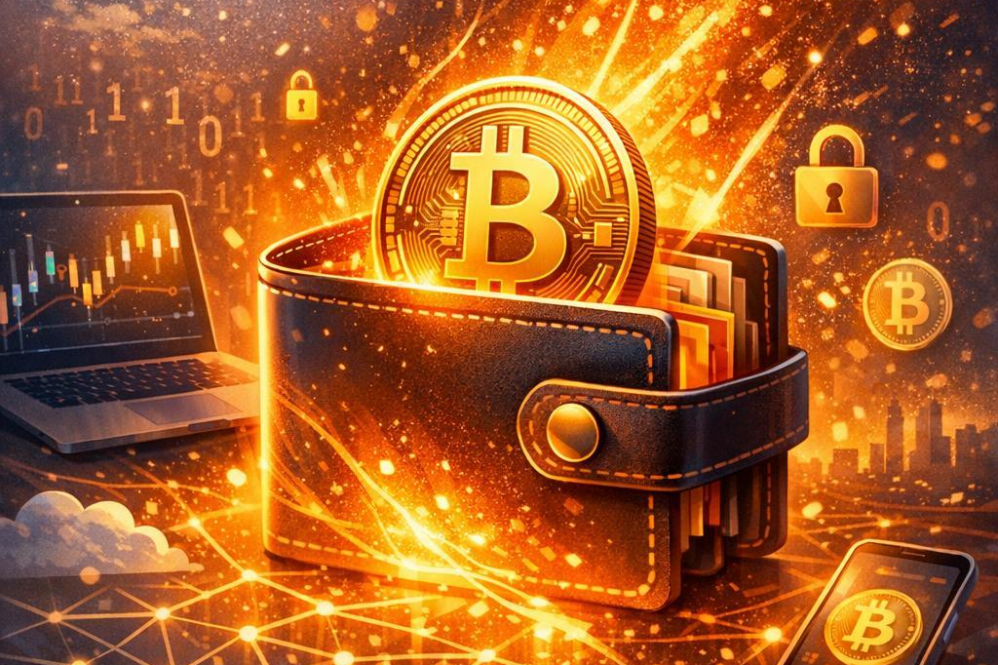
Within the cryptocurrency ecosystem, a hot wallet is characterized by its continuous connection to the internet, enabling users to access and manage their digital assets in real-time. This online accessibility is what distinguishes hot wallets from their offline counterparts, often referred to as cold wallets. While the convenience of hot wallets is undeniable, it inherently introduces certain security considerations, as constant network connectivity can potentially expose the wallet to cyber threats.
Hot wallets come in various forms,including mobile apps,desktop software,and web-based platforms. These wallets serve as essential tools for daily transactions, rapid trades, and instant access to bitcoin and other cryptocurrencies. Their design prioritizes speed and ease of use, often incorporating features like QR code scanning, biometric authentication, and synchronized portfolio tracking. Frequent updates and user-friendly interfaces make them particularly attractive for newcomers and active traders alike.
Here is a concise comparison to outline the key attributes of hot wallets:
| Feature | Hot Wallet | Cold Wallet |
|---|---|---|
| Connectivity | Online | Offline |
| Convenience | High – instant access | Low - requires manual setup |
| Security Level | Moderate - vulnerable to hacking | High – immune to online threats |
| Best Use Case | Everyday transactions | Long-term storage |
Understanding these dynamics empowers users to make informed decisions about when and how to utilize hot wallets effectively while balancing accessibility wiht security.
Key Security Considerations When Using Hot Wallets for bitcoin
When utilizing hot wallets, one of the primary security concerns is the exposure to online threats. Since these wallets are connected to the internet, they become susceptible to hacking attempts, phishing scams, and malware attacks. Users must prioritize safeguarding their private keys and sensitive information by employing strong, unique passwords and enabling two-factor authentication wherever possible.
Device security plays an equally critical role. A compromised device-whether it’s a smartphone or computer-can provide a direct gateway for attackers to access the wallet. It is essential to keep operating systems and wallet apps up to date with the latest security patches,avoid downloading suspicious software,and use reputable antivirus tools to minimize vulnerabilities.
Understanding the inherent trade-offs between convenience and safety is crucial. For larger bitcoin holdings, it’s advisable to use hot wallets only for small, everyday transactions while storing the bulk of funds in cold wallets or hardware wallets. Below is a simple comparative table highlighting core security factors:
| Security Factor | Hot Wallet | Cold Wallet |
|---|---|---|
| Connection | Online (Internet-based) | Offline (Air-gapped) |
| Risk Level | higher (vulnerable to cyberattacks) | Lower (immune to online threats) |
| Convenience | High (instant access) | Low (requires extra steps) |
| Use Case | Small, frequent transactions | Long-term storage |
Comparing Hot Wallets to Cold Storage options for Optimal Access
When deciding how to manage yoru digital assets, the choice between hot wallets and cold storage hinges fundamentally on the balance between accessibility and security. Hot wallets, connected to the internet, provide unmatched convenience for quick transactions and regular trading activities. This makes them indispensable for users who prioritize immediate access to their bitcoin holdings. Though, this constant connection also opens up potential vulnerabilities to cyber threats, demanding rigorous security practices like two-factor authentication and frequent software updates.
In contrast, cold storage solutions offer an offline sanctuary for cryptocurrencies, safeguarding assets by removing them from the online environment entirely. This method drastically minimizes exposure to hacks, phishing attempts, and malware, making it ideal for long-term holders or those with considerable bitcoin reserves.Yet,with these benefits come limitations in liquidity and ease of use-retrieving funds from cold storage can be more time-consuming and may involve additional steps that deter frequent trading.
| Feature | Hot Wallet | Cold Storage |
|---|---|---|
| Access Speed | Instant | Delayed |
| Security Level | Moderate (Online Risks) | High (Offline Protection) |
| Best Use Case | Daily Transactions, Trading | Long-Term Holding, Large Amounts |
| Convenience | Highly Convenient | Less Convenient |
Ultimately, the choice is not binary but rather a strategic blend; many investors adopt a hybrid approach, keeping a fraction of their portfolio in hot wallets for immediate use while securing the majority in cold storage. Understanding these dynamics enables you to optimize your bitcoin management strategy according to your specific needs for access, security, and operational flexibility.
Best Practices for safeguarding Your bitcoin in a Hot Wallet Environment
Choosing the right hot wallet is the foundation of keeping your bitcoin secure while maintaining convenience. Opt for wallets that boast robust encryption protocols and are well-reviewed within the crypto community. Avoid wallets that ask for excessive permissions or store your private keys on third-party servers without transparent security measures. Regularly update your software to patch vulnerabilities and benefit from the latest security enhancements.
Practicing layered security measures significantly reduces the risk of unauthorized access. Enable two-factor authentication (2FA) wherever possible, combining something you know (password) with something you have (mobile device or hardware token). Utilize strong, unique passwords and consider a password manager to avoid reuse.limit the hot wallet’s exposure by only storing the amount of bitcoin you actively need for transactions, keeping the majority in cold storage when not in use.
Being vigilant against social engineering and phishing attacks is critical. Never share your private keys, seed phrases, or 2FA codes with anyone. Always verify URLs before entering credentials and bookmark trusted wallet interfaces.Employing browser extensions or security plugins that warn about malicious sites can provide an extra layer of defense. Keep a close watch on your transaction history to spot unusual activity early and react swiftly.