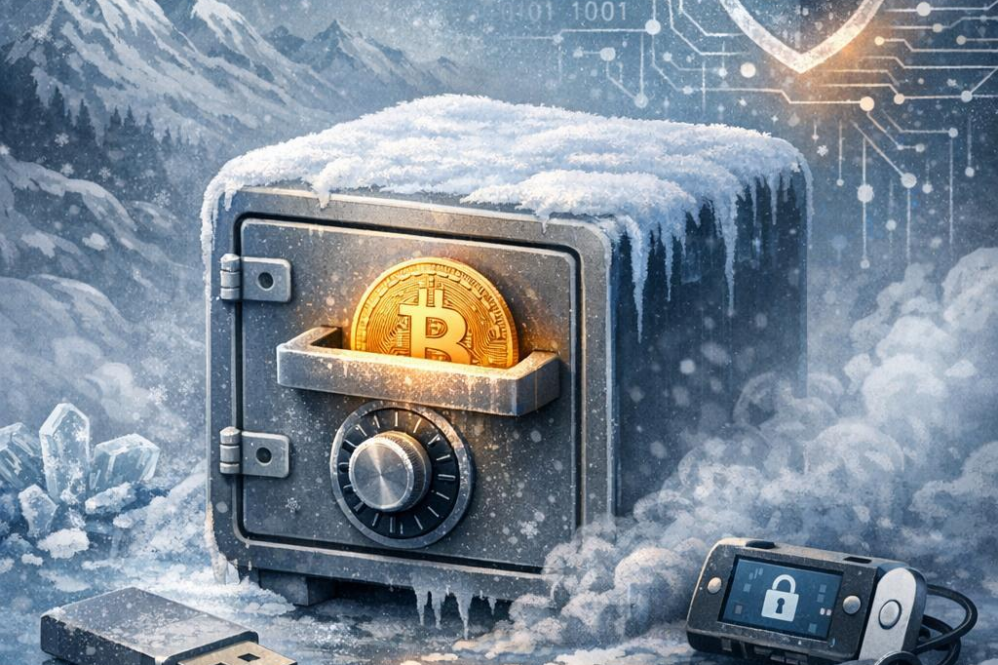
What Defines a Cold Wallet and Its Role in Cryptocurrency Security
A cold wallet is a cryptocurrency storage solution that operates completely offline, offering a high level of protection against hacking and cyber theft. Unlike hot wallets,which are connected to the internet and more vulnerable to attacks,cold wallets store private keys isolated from any online network. this offline approach dramatically reduces the risk of unauthorized access, making cold wallets essential for long-term storage and safeguarding significant cryptocurrency holdings.
The security benefits stem from the cold wallet’s fundamental principle: private keys never touch an internet-connected device. Cryptocurrencies can be stored on various cold wallet formats, including hardware devices, paper wallets, or even entirely air-gapped computers. This rigorous separation from internet exposure ensures that even if malware infiltrates a user’s primary computer or mobile device, the keys remain secure. Additionally, cold wallets typically require manual verification steps before any transaction is signed, adding an extra layer of protection.
| Cold Wallet Types | Key Features | Ideal Use Case |
|---|---|---|
| Hardware Wallets | Secure element chip, PIN protection | Everyday users holding moderate to large amounts |
| paper Wallets | Printed QR codes or keys, no digital footprint | Long-term storage, inheritance purposes |
| Air-gapped Computers | Physically isolated, no network connection | Advanced users needing maximum security |
In essence, the cold wallet’s role in cryptocurrency security cannot be overstated. By removing private keys from online vulnerability, it empowers users to maintain full control over their assets, with minimal risk of external compromise. For those serious about safeguarding their digital wealth, cold wallets form the cornerstone of a robust security strategy.
Comparing Cold Wallets to Hot Wallets for optimal bitcoin Protection
Cold wallets serve as the fortress of bitcoin security by storing private keys offline, effectively isolating them from internet-based threats.unlike hot wallets, which remain connected to the internet for ease of access and frequent transactions, cold wallets minimize exposure to hacking attempts, phishing scams, and malware attacks. this air-gapped protection ensures that even if your primary computer or mobile device is compromised, your bitcoins remain securely locked away in a device or medium never exposed digitally.
Though, while cold wallets deliver superior security, they present challenges in usability compared to their hot wallet counterparts. Hot wallets excel in providing instant, user-amiable transaction capabilities, perfect for daily trading or spending. In contrast, the offline nature of cold wallets requires additional steps for bitcoin transfer preparation, such as connecting the wallet to a secure environment for signing transactions, which may feel cumbersome but is a necessary trade-off for enhanced protection.
| Feature | Cold Wallet | Hot Wallet |
|---|---|---|
| Connection | Offline (Air-gapped) | online (Internet-connected) |
| Security Level | Extremely High | Moderate to High |
| Usability | Limited, Requires Manual Steps | High, Instant Access |
| Ideal Use | Long-term storage | Daily Transactions |
combining the two types of wallets often offers optimal bitcoin protection: storing the majority of funds in a cold wallet for long-term security, while maintaining a smaller amount in a hot wallet for quick and convenient transactions. This layered security approach balances convenience with robust protection, empowering users to safeguard their cryptocurrency assets intelligently.
Best Practices for Setting Up and Maintaining a Cold Wallet
When establishing a cold wallet, prioritizing physical security is paramount. Store your hardware wallet or paper wallet in a location that is not only secure but also resistant to environmental hazards such as fire and water damage. Utilize safes or locked storage boxes and consider geographic diversification by keeping backups in different physical locations. Remember, access should be strictly limited to trusted individuals to prevent unauthorized use.
Maintenance of a cold wallet requires regular but secure practices. Periodically verify the integrity of your wallet by checking that the recovery seed or private keys remain intact and confidential.Avoid digital exposure by never entering private keys on internet-connected devices. Rather, use air-gapped computers or dedicated secure environments for any necessary interactions, such as updating firmware or transferring assets.
- Backup your recovery phrases on durable materials like metal plates designed for seed storage, ensuring longevity and resistance to decay.
- Regularly update your hardware wallet’s firmware only through official sources to patch vulnerabilities without exposing keys.
- Perform test transactions with small amounts to confirm accessibility and understanding without significant risk.
| Best Practice | Example |
|---|---|
| Physical Storage | Fireproof safe |
| Backup medium | Engraved metal plate |
| Firmware Updates | Official hardware wallet website |
| Test Transactions | Small bitcoin transfer |
advanced Security Measures and Common Pitfalls to Avoid with Cold wallets
Implementing advanced security measures with cold wallets is essential to safeguard your bitcoin from evolving cyber threats and physical risks. One effective practice is using multi-signature wallets, which require multiple private keys to authorize a transaction, drastically reducing the risk of a single point of failure. Additionally, encrypting the cold wallet’s storage medium ensures that even if physical access is gained by unauthorized parties, extracting the private keys will remain implausible without the decryption passphrase.
It’s equally critical to understand common pitfalls that novice and experienced users frequently enough encounter. One frequent mistake is creating backups on easily accessible drives or cloud services, which defeats the purpose of cold storage. Moreover, failing to verify the integrity of firmware on hardware cold wallets before use can expose users to firmware-level exploits. Practicing offline generation of wallet addresses and avoiding exposure of private keys on networked devices significantly reduces risk.
| Common Pitfall | Potential Risk | Recommended Mitigation |
|---|---|---|
| Storing backups online | Remote hacks and data exposure | Use encrypted offline backups |
| Using unverified hardware | Firmware tampering and theft | Buy from trusted sources and check signatures |
| Exposing private keys on internet | Theft through malware/spyware | Generate keys offline and keep air-gapped |
![Historical time by degree bitcoin [btc] cycles](https://ohiobitcoin.com/wp-content/uploads/2019/01/rP1t3X.png "Historical time by degree bitcoin [btc] cycles")
