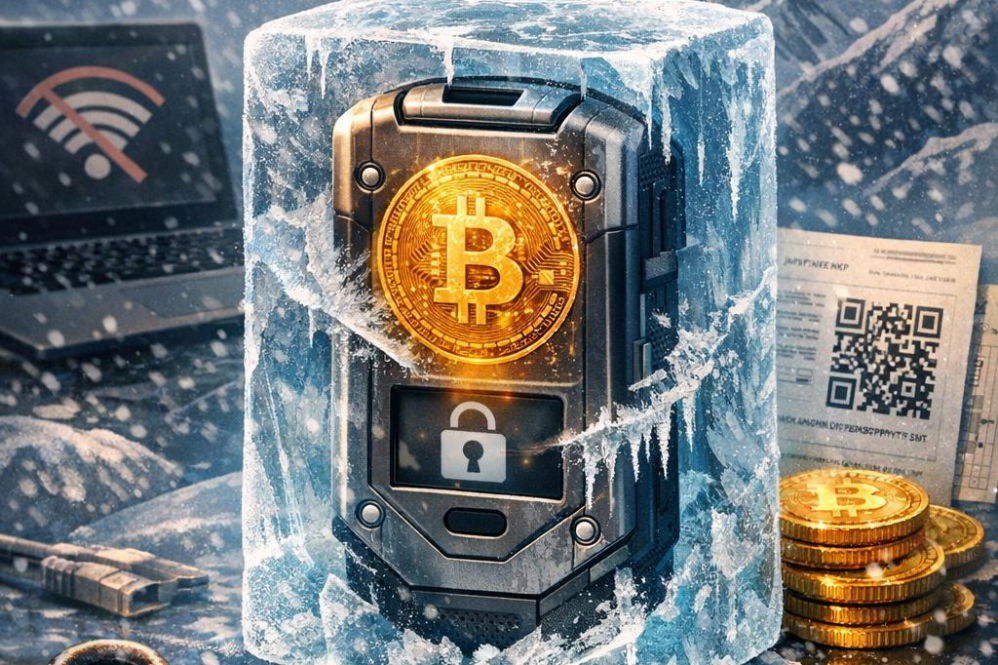
What Defines a Cold Wallet and Its Role in bitcoin Security
A cold wallet is a type of cryptocurrency storage that keeps your private keys completely offline. Unlike hot wallets, which are connected to the internet and susceptible to hacking attempts, cold wallets provide a physical barrier against cyber threats. These wallets often come in the form of hardware devices, paper wallets, or even air-gapped computers, rendering them immune to remote intrusions. Their primary function is to store bitcoin and other cryptocurrencies safely for long-term holding without risking exposure to malware or phishing attacks.
The security model behind cold wallets relies heavily on isolation. By never connecting the wallet to an internet-enabled device, the private keys are safeguarded from unauthorized digital access. This approach substantially reduces vulnerabilities such as keyloggers, ransomware, and hacking exploits that commonly target hot wallets. Users typically transfer only small, spendable amounts to hot wallets for daily transactions, while their significant bitcoin assets remain locked away in cold storage, ensuring peace of mind against theft.
| Cold Wallet Type | Key Feature | Security Advantage |
|---|---|---|
| Hardware Wallet | Dedicated USB device | Encrypted offline key storage |
| Paper Wallet | Physical printout of keys | Zero digital footprint |
| Air-Gapped Device | No network connection | Complete isolation from internet |
In essence, cold wallets are the cornerstone of bitcoin security strategies for anyone serious about protecting their digital wealth. by prioritizing offline key storage and minimizing exposure to network-based threats, they establish a robust defense against the evolving landscape of cybercrime.
Comparing Cold Wallets to Hot Wallets: advantages and Risks
when it comes to safeguarding your bitcoin, understanding the difference between cold wallets and hot wallets is essential. Cold wallets keep your private keys completely offline, significantly reducing the risk of hacking or malware attacks. By contrast, hot wallets remain connected to the internet, offering convenience but exposing your assets to potential cyber threats. this essential distinction defines the security landscape for cryptocurrency storage.
Cold wallets excel in providing enhanced security for long-term holders who prioritize asset protection over immediate access. These wallets can take various forms, such as hardware devices, paper wallets, or even air-gapped computers, keeping your keys isolated from network vulnerabilities. Conversely, hot wallets are more suitable for active traders and those who require swift access to their crypto funds, albeit at the cost of increased exposure to phishing attempts and other online risks.
| Feature | Cold Wallet | Hot Wallet |
|---|---|---|
| Security Level | Extremely high (offline storage) | Moderate (connected to internet) |
| Convenience | Lower (access requires manual steps) | High (easy and quick access) |
| Ideal use | Long-term storage, large amounts | Daily transactions, small amounts |
| Risk of Theft | Minimal (physical theft risk) | Higher (cyber attacks) |
- Cold wallets provide the strongest defense against hacking by completely isolating private keys from the internet.
- Hot wallets facilitate seamless access but require users to be vigilant about security best practices.
- Combining both wallet types can offer a balanced approach-using cold storage for savings and hot wallets for spending.
Technical breakdown of Cold Wallet Storage Methods
At the core of cold wallet technology lies the principle of isolating private keys from internet access, drastically reducing vulnerability to hacking and malware. Common implementations include hardware wallets, paper wallets, and air-gapped computers. Hardware wallets are specialized devices that store private keys in a secure chip and sign transactions offline, only broadcasting signed data when connected briefly to an online device.In contrast, paper wallets are physical printouts containing a cryptographic keypair, usually represented as QR codes, which never touch a networked device, ensuring complete offline storage but requiring cautious physical handling.
Air-gapped systems represent another robust method, involving computers or devices that are permanently disconnected from any network. These devices generate and store keys in isolated environments, with transaction info transferred by secure manual methods like USB drives or QR code scanning, minimizing risk of remote exploits. Each method emphasizes strict
control of private key exposure, with differing trade-offs in usability, durability, and user error risk.
| Method | Connectivity | Key Exposure Risk | Typical Use Case |
|---|---|---|---|
| Hardware Wallet | Occasional USB/Bluetooth | Low | Everyday secure transactions |
| Paper Wallet | None | Very low (physical risk) | Long-term cold storage |
| Air-gapped computer | none | Minimal | Advanced secure generation and signing |
Understanding these technical distinctions helps users choose the right cold storage approach aligned with their security requirements and operational comfort, balancing between airtight security and accessibility.
Best Practices for Managing and Maintaining Cold Wallet Security
Securing a cold wallet begins with choosing a reputable hardware device or creating an offline paper wallet with utmost care. When handling physical wallets,always store them in a secure and private habitat-consider fireproof safes or bank safety deposit boxes. avoid exposing your cold wallet to moisture, extreme temperatures, or magnetic fields that could damage the device or erase critical data. It’s also advisable to keep multiple copies of your private keys or seed phrases in separate, trusted locations to prevent loss or theft.
Regularly verifying your cold wallet’s integrity without connecting it to the internet is crucial. Use trustworthy tools to check your wallet’s firmware for updates and confirm the validity of your stored keys. Always update hardware wallets through official manufacturer channels, and never connect your cold wallet to a compromised or public computer. Implement a strict protocol for who and how your wallet access is permitted, ensuring that the private keys never leave the offline environment.
The table below highlights key measures to maintain optimal security and best practices:
| security Action | Recommended Practice | Risk Mitigated |
|---|---|---|
| Private Key Backups | Multiple copies stored offline in secure locations | Loss or accidental destruction |
| Physical Storage | Fireproof and waterproof safes | Theft, fire, and environmental damage |
| Firmware Management | Official updates only, verified on offline devices | Malware and unauthorized access |
| Access Control | Limited authorized users with secure protocols | Internal theft and accidental exposure |