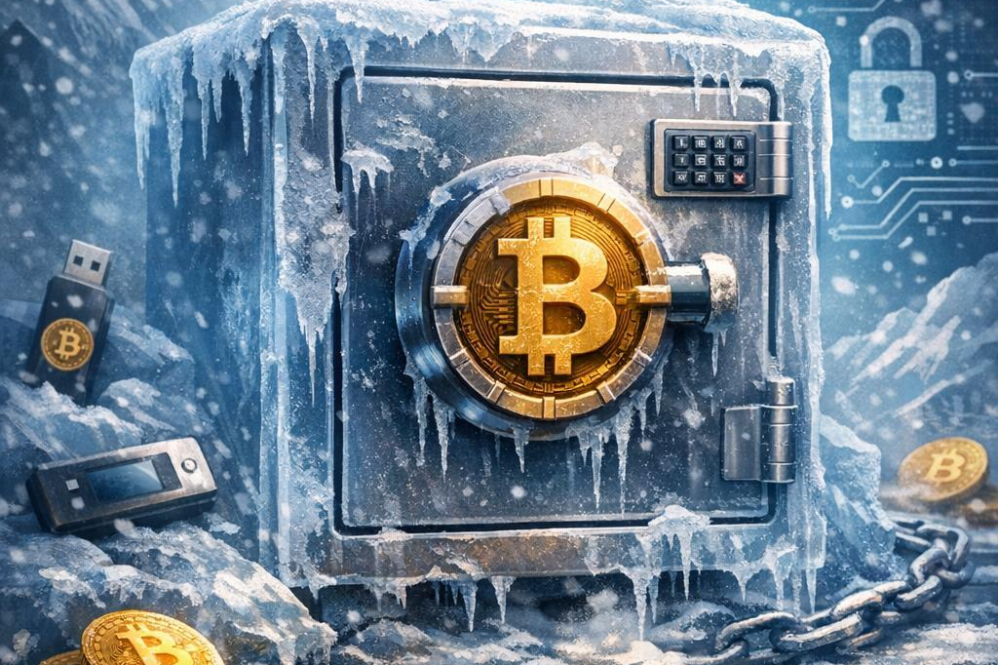
What Defines a Cold Wallet and How It Compares to Hot wallets
At its core, a cold wallet is a cryptocurrency storage method that remains fully offline, providing an unparalleled level of security against hacking attempts and malware threats. Unlike hot wallets, which are connected to the internet and designed for frequent transactions, cold wallets isolate private keys from any online exposure.This isolation makes cold wallets ideal for long-term storage of bitcoin and other cryptocurrencies, safeguarding assets from unauthorized digital intrusions.
The essential difference between cold wallets and hot wallets lies in their connection to the internet and consequently their ease of access versus security balance. Hot wallets offer convenience and speed, allowing users to quickly send and receive bitcoin through mobile apps or web interfaces. Cold wallets, conversely, prioritize security over convenience. They often require physical interaction like USB connections or even handwritten paper keys, which significantly reduces the risk of theft but makes speedy access less straightforward.
| Feature | Cold Wallet | Hot Wallet |
|---|---|---|
| Internet Connection | None (Offline) | Always Online |
| Security Level | high | Moderate to Low |
| Convenience | Lower (Manual Access) | Higher (Instant Transactions) |
| Use Case | Long-term Storage | Daily Transactions |
- Cold wallets come in various forms such as hardware devices, paper wallets, or even air-gapped computers, all designed to keep private keys away from online vulnerabilities.
- Hot wallets are typically software-based, hosted on desktops, mobile devices, or exchange platforms, prioritizing accessibility over fortified security.
- Choosing between these wallets depends on the user’s need either for daily transaction ease or for secure, long-term bitcoin preservation.
The Key Security Advantages of Using Cold Wallets for bitcoin Storage
Cold wallets, also known as offline wallets, offer superior protection by keeping your bitcoin private keys completely disconnected from the internet. This isolation makes them virtually immune to online hacking attempts, phishing scams, and malware infections that commonly threaten hot wallets or exchanges. Because cold wallets store keys on physical devices or paper, the attack surface is drastically reduced, providing a robust defense against cyber thieves targeting digital assets.
Another notable security advantage lies in the control cold wallets provide over access to your cryptocurrency. Unlike wallets managed by third parties, cold wallets enable sole ownership and management of private keys, eliminating dependency on external services that may be vulnerable to breaches or insolvency. This self-custodial nature means only you have the authority to initiate transactions, ensuring your bitcoin remains securely in your hands at all times.
| Security Feature | Cold Wallet Benefit |
|---|---|
| Offline Storage | Complete isolation from network threats |
| Self-Custody | Exclusive control, no third-party risks |
| physical Backup | Resilience to software bugs and hacks |
| Limited Exposure | Reduced theft possibility due to offline status |
Furthermore, cold wallets’ physical nature enables secure backup strategies such as encrypted hardware devices, hidden storage locations, or engraved metal plates impervious to fire and water.These backups add an extra layer of defense, ensuring your bitcoin can survive theft, device failure, or environmental damage. Together, these attributes make cold wallets the gold standard for anyone serious about safeguarding their digital wealth in the long term.
Best Practices for setting Up and Maintaining a cold Wallet
To ensure your cold wallet remains secure, begin with selecting a reputable hardware wallet or setting up an air-gapped device that never connects to the internet. Always generate your private keys offline and keep your recovery seed phrase in a physically secure location, such as a fireproof safe. Avoid digital backups of the seed phrase to minimize risks of hacking or malware attacks. Remember, the strength of your cold wallet is directly proportional to the rigor of these initial setup steps.
Maintaining a cold wallet requires regular checks without compromising its offline status. Establish a routine to verify your backup seed’s legibility and condition; worn or damaged backup notes can be catastrophic. Additionally, if you ever need to update your device’s firmware, do so cautiously, preferably on an isolated system, to avoid exposing your wallet to online vulnerabilities. always ensure your environment during maintenance is secure, as physical security is just as vital as digital protection.
Consider implementing a multi-layered security approach by using multi-signature setups for transactions,which greatly reduces the risk of unauthorized access. This can be managed offline by distributing keys across different secure locations or trusted individuals. The combination of physical security, offline key management, and multi-signature authorization forms a robust framework that helps safeguard your bitcoin holdings from both digital and physical threats.
Expert Recommendations for Maximizing the Safety of your bitcoin Assets
Secure your private keys offline: One of the cardinal rules in safeguarding your bitcoin holdings is ensuring that your private keys never touch an internet-connected device. Cold wallets, such as hardware wallets or paper wallets, achieve this by storing keys in environments impervious to online threats. Always verify the authenticity of your hardware wallet before use, and never input your private keys on untrusted software or websites.Offline generation and storage significantly reduce vulnerabilities to hacks,phishing,and malware that commonly target hot wallets or exchange accounts.
Implement multi-layer security protocols: Beyond just storing your assets in a cold wallet, layering your protection can deter theft or accidental loss. This includes using strong passphrases to encrypt wallet backups, enabling two-factor authentication (2FA) on any related exchange accounts, and keeping multiple secure backups in geographically separate locations. Treat these backups with the same level of secrecy and care as the wallet itself, and periodically check their integrity to avoid surprises during recovery attempts.
Understand and plan for wallet recovery: Having a detailed recovery strategy is essential when managing cold wallets. Keep a written record of your seed phrases or recovery keys,ideally stored in fireproof and waterproof materials. Be cautious about digitalizing these sensitive details; avoid taking photos or saving them on cloud services.Educate trusted family members or legal representatives on how to access your assets in emergencies, but only in a controlled, secure manner. A well-thought-out recovery plan ensures that your bitcoin remains safe and accessible, nonetheless of unforeseen events.