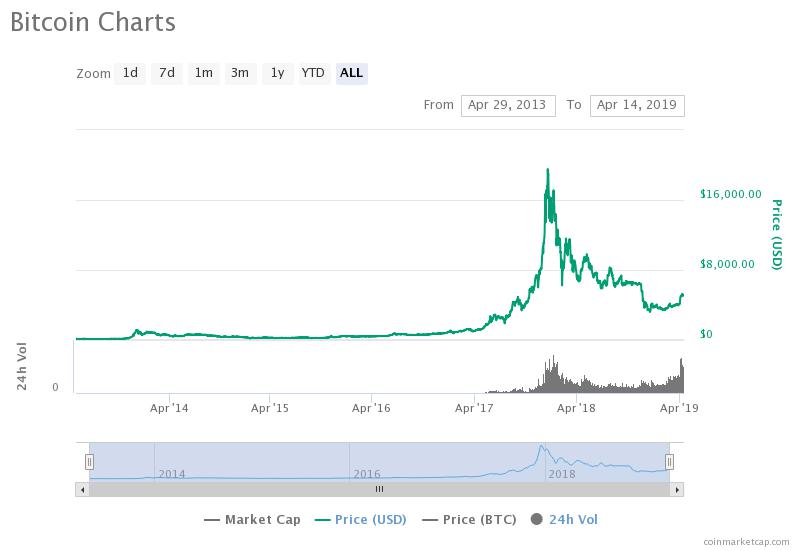
bitcoin mining plays a crucial role in the operation and security of the bitcoin network, as miners validate transactions and add new blocks to the blockchain. currently, miners are incentivized through block rewards-newly minted bitcoins awarded for successfully mining a block. However, since the total supply of bitcoin is capped at 21 million coins, a point will eventually be reached when all bitcoins have been mined. this raises crucial questions about the future income of miners and how the bitcoin network will sustain itself once block rewards cease.Understanding the implications for miners’ revenue streams and the dynamics of transaction fees in a post-mining era is essential for grasping the long-term viability of the bitcoin ecosystem.
bitcoin Mining and the Fixed Supply Limit
bitcoin’s design includes a fixed supply cap of 21 million coins, which means that once this number is reached, no new bitcoins will enter circulation. This limited supply makes bitcoin deflationary by nature, distinct from traditional fiat currencies that can be printed endlessly. As a result, the mining landscape will shift dramatically when the final coin is mined, affecting how miners sustain their operations.
Currently, miners are rewarded with a combination of newly minted bitcoins (block rewards) and transaction fees. however, with the block reward scheduled to halve approximately every four years, it steadily diminishes untill it eventually reaches zero. At that point, miners’ income will rely solely on transaction fees paid by users to have their transactions processed and confirmed on the blockchain.
- Transaction Fees Only: Miners will compete to validate transactions with higher fees to maximize profits.
- Increased Importance of Fee Market: Demand and congestion in the network can drive fees higher during peak activity.
- Potential for Miner Consolidation: Smaller or less efficient miners may exit,leading to a more concentrated mining landscape.
- Energy and Cost efficiency: Mining operations will need to prioritize cost-effective technology to maintain profitability.
The future economic model for miners can also be summarized as follows:
| Phase | Reward Type | Impact on Miners |
|---|---|---|
| Current | Block rewards + fees | Higher income, incentivizes robust mining |
| Post-Halving | Reduced block rewards + fees | Revenue decreases, reliance on fees grows |
| Final Phase (All mined) | Transaction fees only | Competition for fees, need for efficient mining |
This evolution implies that the security of the bitcoin network will continue to depend on the incentives of miners and their ability to adapt to a fee-only system. While this could mean higher fees for users, it also underpins the long-term sustainability and scarcity that define bitcoin’s value proposition.

Transition from Block rewards to Transaction Fees
As the bitcoin network approaches the point where the final bitcoin is mined, miners will no longer receive new coins as block rewards. Instead, their sole revenue will come from the fees that users attach to their transactions. This essential shift will transform miners’ income dynamics, making transaction fees the primary incentive for validating and securing the blockchain.
Transaction fees currently play a supplementary role to block rewards,incentivizing miners to prioritize transactions based on fee size. When congestion occurs, higher fees encourage miners to include specific transactions faster. After all bitcoins are mined, miners will depend entirely on this fee market to sustain their operations, pushing the ecosystem to naturally balance transaction demand and fee levels.
The future stability of miners’ income will rely on several factors, including:
- Network usage intensity and average transaction volume
- Fee market dynamics reflecting supply and demand
- Technological improvements such as scaling solutions that may reduce fees
- Overall value and adoption of the bitcoin network
Below is a concise comparison illustrating the shift:
| Current Era | Post-Mining Era |
|---|---|
| Block Reward: ~6.25 BTC/block (reducing every 4 years) | block Reward: 0 BTC/block |
| Transaction Fees: Supplementary incentive | transaction Fees: Primary income source |
| miner Revenue: Block reward + fees | Miner Revenue: Transaction fees only |
This transition will likely encourage innovation in transaction fee estimation and prioritization mechanisms to ensure miners remain rewarded fairly while maintaining network security and transaction throughput.
Impact on Miners’ Revenue Streams and profitability
As the final bitcoin is mined, the primary source of income for miners-the block reward-ceases to exist, fundamentally altering their revenue model. Miners will then rely exclusively on transaction fees paid by users to validate and add new blocks to the blockchain. This shift places greater emphasis on the network’s transaction volume and fee market dynamics, which can fluctuate considerably.
While transaction fees may increase to compensate miners adequately, there’s no guarantee that this revenue alone will sustain the same level of profitability. The transition could lead to:
- Increased competition among miners focusing on high-fee transactions.
- Higher transaction costs for users aiming to have their transactions processed swiftly.
- Potential centralization risks if only miners with lower operational costs can remain profitable.
Miners’ profitability will also depend on advancements in mining hardware efficiency and electricity costs. Operating with optimized equipment and locations with low energy prices will be essential for survival in a fee-only reward system.Moreover, some miners might pivot their business models toward choice services or cryptocurrencies to maintain revenue diversity.
| Factor | Impact on Miners | Long-Term Outlook |
|---|---|---|
| Block Rewards | Eliminated | Zero direct income from new bitcoin issuance |
| Transaction Fees | Primary income source | dependent on network usage and fees market |
| Operational Costs | Critical for profitability | Lower costs improve long-term viability |
| Hardware Efficiency | Major competitive edge | Continuous innovation needed |
Technological Advancements and Efficiency Improvements
Over the past decade, the mining landscape has undergone significant transformations driven by cutting-edge technologies aimed at increasing efficiency and reducing operational costs.Innovations such as request-specific integrated circuits (ASICs) have revolutionized the mining process, enabling miners to process transactions at unprecedented speeds and hash rates. These devices, optimized for bitcoin mining algorithms, are now the backbone of major mining operations, setting new benchmarks for energy efficiency and output.
Moreover, advancements in energy management and cooling systems have played a pivotal role in enhancing miners’ sustainability. Leveraging renewable energy sources like hydroelectric, solar, and wind not only diminishes carbon footprints but also lowers electricity expenses, which constitute the bulk of mining costs. simultaneously, state-of-the-art liquid cooling and immersion technologies minimize hardware overheating, thereby extending machine lifespan and ensuring consistent mining performance.
Efficiency improvements aren’t limited to hardware alone. Software innovations, including dynamic load balancing and real-time performance analytics, empower miners to optimize their computational resources effectively. These tools facilitate adaptive mining strategies that respond to fluctuating network conditions, electricity pricing, and block difficulty, maximizing profitability in an increasingly competitive ecosystem.
Below is a comparative overview illustrating the impact of technological advancements on mining efficiency over recent years:
| Year | Hash Rate (EH/s) | Energy Consumption (J/TH) | average Profit Margin (%) |
|---|---|---|---|
| 2014 | 0.05 | 130,000 | 40 |
| 2018 | 30 | 50,000 | 55 |
| 2023 | 250 | 20,000 | 70 |
- ASIC hardware advancements drive improved hash rates.
- Renewable energy adoption reduces carbon footprint and costs.
- Innovative cooling methods enhance hardware durability.
- Smart mining software optimizes resource allocation.
Strategic Recommendations for Sustaining Miner Operations
To maintain profitability after the bitcoin block reward halving to zero, miners must pivot their focus to transaction fees as the primary revenue source. This shift necessitates optimizing operational efficiency by upgrading to the latest, energy-efficient mining hardware. Devices with superior hash rates and lower power consumption not only reduce electricity costs but also improve competitiveness in fee collection through faster block confirmation rates.
mining farms should explore diversification strategies, such as integrating multi-currency mining or cloud mining contracts. By leveraging platforms that allow mining other profitable cryptocurrencies or renting hash power remotely, operators can mitigate the risks associated with bitcoin’s evolving reward structure. Such versatility ensures a steadier income flow even with fluctuating market conditions.
Enhancing infrastructure sustainability through renewable energy adoption presents another avenue to lower operational expenses and secure long-term viability. Establishing partnerships with green energy providers reduces environmental impact and strengthens social duty credentials-beneficial for accessing incentives and maintaining community support. Additionally, software upgrades in mining algorithms that improve efficiency can further extend hardware lifecycle.
| Recommendation | Benefit | Action |
|---|---|---|
| Hardware Upgrades | Higher efficiency and profitability | Invest in ASICs with better hash rates |
| Revenue Diversification | Reduced dependence on bitcoin alone | Mine altcoins or use cloud mining contracts |
| Renewable Energy | Lower costs and environmental impact | Partner with green energy suppliers |
| Algorithm optimization | Extended equipment lifespan | Update mining software periodically |
Continuous monitoring of transaction fee trends and network difficulty is vital for adapting operational strategies swiftly. Decision-makers must employ data analytics tools to forecast profitability metrics and adjust mining intensity accordingly. By staying informed and flexible, mining operations can sustain income flow and remain competitive long after the final bitcoin has been mined.
Q&A
Q: What does it mean when all Bitcoins are mined?
A: When all Bitcoins are mined, it means that the total supply of bitcoin has reached its maximum limit, which is capped at 21 million coins. No new Bitcoins will be created beyond this point.
Q: When is it estimated that all Bitcoins will be mined?
A: It is estimated that all Bitcoins will be mined around the year 2140, due to the halving events that reduce mining rewards approximately every four years.Q: How do bitcoin miners currently earn income?
A: bitcoin miners earn income primarily through two sources: block rewards (newly minted Bitcoins given for validating blocks) and transaction fees paid by users to have their transactions included in the blockchain.
Q: What will happen to miners’ income when all Bitcoins are mined?
A: When all Bitcoins are mined,miners will no longer receive block rewards. Their income will rely solely on transaction fees paid by users.
Q: Will transaction fees be sufficient to sustain miners after all Bitcoins are mined?
A: The sustainability of miners’ income from transaction fees alone depends on the level of network usage and the fee market. If bitcoin usage remains high and transaction fees increase accordingly, miners can continue to earn income and secure the network.
Q: How might miners’ operational strategies change after mining ends?
A: Miners may focus on improving efficiency to reduce operational costs,adjust their hardware investments,and prioritize transactions with higher fees to maximize revenue.
Q: What impact could this have on the bitcoin network’s security?
A: If miners’ profitability declines significantly, there might potentially be less incentive to maintain network security, potentially reducing the hash rate. Though, strong transaction fees and continued demand for network security are expected to mitigate this risk.
Q: Are there any proposed solutions to address miners’ income challenges in the future?
A: Some proposed solutions include layer-2 scalability improvements, increasing off-chain transaction capacity, and developing more efficient fee markets to ensure miners remain compensated for their work post-block rewards.
Q: Does the end of bitcoin mining mean the end of bitcoin?
A: No, the end of mining new Bitcoins means the fixed supply has been reached, but bitcoin will continue to operate with miners verifying transactions and maintaining network security through transaction fees alone.
key Takeaways
As the total supply of bitcoin approaches its fixed cap of 21 million coins, the mining landscape is set to undergo significant changes. While miners currently rely on both block rewards and transaction fees for income, the eventual cessation of new bitcoin issuance means their earnings will become solely dependent on transaction fees. This shift will likely impact mining incentives, network security, and fee market dynamics. Understanding these future changes is crucial for anticipating how the bitcoin network will sustain itself and continue operating efficiently once all Bitcoins have been mined. For miners and stakeholders alike, adapting to this new phase will be essential for ongoing participation in the ecosystem.