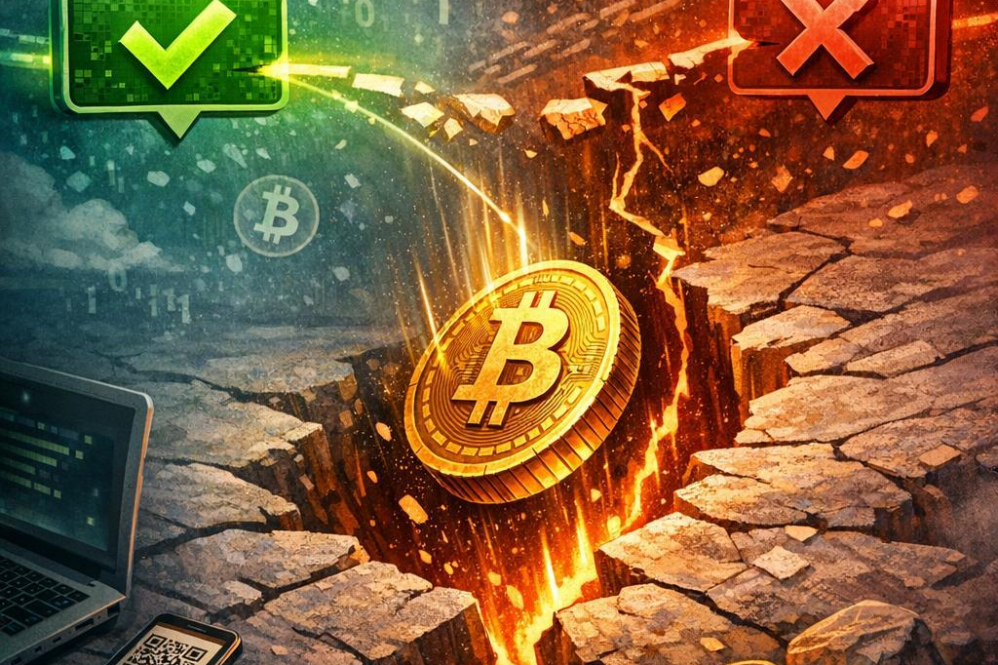
Potential Consequences of Sending bitcoin to an Incorrect Address
when bitcoin is sent to an address that does not correspond to the intended recipient, the consequences can be severe and often irreversible. Unlike customary banking systems, the bitcoin network operates on a decentralized blockchain, meaning there is no central authority to correct mistaken transactions.Once confirmed, a transaction recorded on the blockchain cannot be reversed or canceled, sealing the fate of the funds sent to an incorrect address.
Financial loss is the most immediate and important impact. If the wrong address is valid but belongs to an uncooperative party or an unknown recipient, recovering those funds becomes nearly unachievable. In cases were the address is invalid or does not exist, the transaction typically fails, but this is rare once the transaction is confirmed by miners. Users must thus exercise extreme caution, double-checking addresses before committing transactions.
| Potential Consequences | Description |
|---|---|
| Permanent Loss of Funds | bitcoin sent to an incorrect address is generally unrecoverable due to the immutable nature of blockchain. |
| Inability to Reverse Transactions | the blockchain does not support reversing incorrect payments once finalized. |
| Increased Risk of Fraud | Funds could be sent to malicious actors who exploit accidental transfers. |
| Loss of Trust | repeated errors might undermine confidence in using cryptocurrencies for transactions. |
- Double and triple-checking addresses before sending bitcoin is essential to mitigating these risks.
- Using QR codes and copy-paste functions can definitely help reduce human error.
- Educating oneself on wallet interfaces and best security practices is crucial for every user.
Technical Limitations and Irreversibility of bitcoin Transactions
The bitcoin network operates on the principle of decentralization and cryptographic security, which inherently results in irreversible transaction finality. once a bitcoin transaction is confirmed and recorded on the blockchain, it cannot be undone or retrieved by any central authority or service provider. This immutability is a basic feature designed to prevent fraud, but it also means human errors—such as sending funds to an incorrect address—are permanent and irreversible.
The technical architecture relies on public and private key pairs,where the sender must enter the correct recipient’s address,which is a complex alphanumeric string. Mistyping even a single character leads to sending bitcoin to a different wallet, frequently enough with no possibility of recovery. Additionally, bitcoin addresses that do not exist or are invalid will cause the transaction not to be confirmed, but valid addresses owned by strangers or lost keys mean the coins are effectively gone. This irreversible nature underscores the critical importance of double-checking addresses before confirming payments.
Below is a summary of critical points illustrating this irreversibility:
| Aspect | Implication |
|---|---|
| Blockchain Confirmation | Permanent and immutable on ledger |
| Address Errors | Funds sent to wrong address are lost |
| No Central Authority | No intermediaries to reverse transactions |
| Transaction Validation | Invalid addresses rejected, no loss |
Understanding these limitations enables users to appreciate why caution and verification practices are essential in bitcoin transactions.
Strategies for Preventing bitcoin Sending Errors
Ensuring accuracy before confirming a bitcoin transaction is paramount. One effective way to prevent sending errors is to double-check the recipient address meticulously. Due to the long string of alphanumeric characters that make up bitcoin addresses, even a single mistyped character can lead to irreversible loss. Users should always copy and paste addresses rather than typing them manually, and then verify the first and last few characters visually to ensure they match exactly what the recipient provided.
Implementing a multi-step verification process adds an additional layer of security. As a notable example,using a trusted wallet software that supports address whitelisting—where only predefined addresses can receive payments—reduces risk. Additionally, if available, enabling two-factor authentication (2FA) for transaction approvals can prevent unauthorized sends. For businesses or frequent traders, setting up internal protocols like requiring multiple sign-offs for high-value transfers also minimizes human error.
| Best Practices | Description |
|---|---|
| Copy & Paste Addresses | Reduces manual typing errors by using exact strings from source to wallet. |
| Use QR Codes | Leveraging QR code scanning minimizes the risk of incorrect address input. |
| Perform Test Transactions | Sending a small amount first confirms address validity without risking large sums. |
| Keep Wallet Software Updated | Maintains security features and compatibility to avoid glitches during sending. |
Steps to Take Immediatly After Sending bitcoin to the Wrong Address
First,immediately stop any further transactions from your wallet. This prevents compounding the issue and helps you maintain control over your remaining funds. Double-check the transaction details, including the recipient address and transaction ID, and record them for reference. Having these details ready is crucial if you need to seek support or file a report.
Next, contact your wallet provider or exchange.even though most cryptocurrency transactions are irreversible, some centralized platforms might offer limited assistance or solutions in special cases. Provide them with the transaction ID and any contextual information. Keep in mind that direct recovery is unlikely, but they may offer guidance or flag the involved address to prevent fraud.
alert the community or forum groups related to bitcoin transactions. Publicly sharing the details might increase the chance of recovering your funds if the recipient is cooperative or if the funds are sent to a known entity. Meanwhile, be vigilant and update your security settings to avoid similar mishaps:
- Enable address whitelisting if available
- Verify addresses carefully before confirming transactions
- use QR codes or trusted copy-paste methods to reduce errors