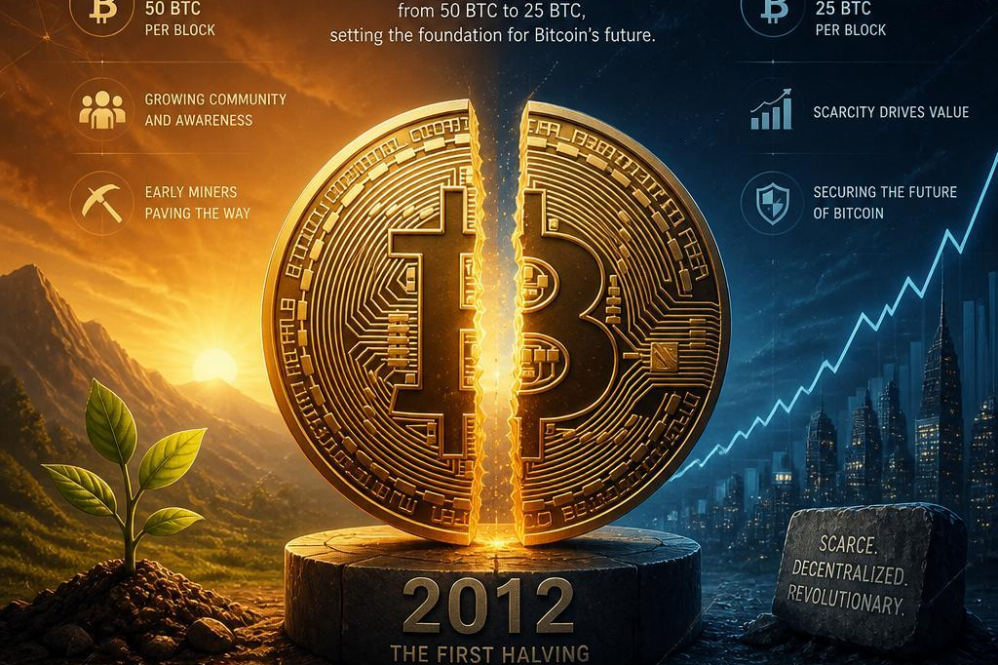
bitcoin’s long-term viability has been shaped by its cryptoeconomic principles, which have increasingly dictated market trends over time-setting the stage for future cryptographic innovation.
Exploring the Role of Reduced Block Rewards in Network Stability
bitcoin’s transition to reduced block rewards began with its first halving event in 2012,marking a significant shift in the network’s economic model and stability framework. Halvings are programmed events that cut miner rewards for creating new bitcoin blocks in half every 210,000 blocks or roughly every four years. As miners earn less from block rewards, they must rely more on transaction fees to offset their earnings.
Before 2012, miners were primarily motivated by high block rewards, which made up a large portion of their income from validating transactions. The reduction in these rewards pushed miners towards more efficient operations and greater reliance on transaction fees as a revenue source.
This structural change has profound implications for the network’s stability. A diversified income stream helps ensure fewer sudden dips or spikes in activity, reducing volatility. this economic shift enhances decentralization by discouraging monopolistic tendencies among miners who might previously have been incentivized by high rewards to form large pools. This balance is crucial as bitcoin matures and its user base grows.
Strategic Insights for Investors Navigating the Post-Halvening Landscape
When bitcoin’s first halving occurred in November 2012, it marked more than just a technical event; it reshaped perceptions and investment strategies surrounding cryptocurrencies. The reduction in block rewards directly impacted supply scarcity and exerted upward pressure on bitcoin’s price.Early recognition of this shift rewarded investors handsomely as the market reacted with growing interest from customary financial entities and retail traders.
To navigate these changes effectively after a halvening event like in 2012, investors should understand block reward mechanics to gauge long-term performance trends. Staying informed about regulatory frameworks and technological advancements can also provide deeper insights into market movements. It’s wise to assess liquidity across various exchanges, ensuring access to platforms with robust trading volumes during periods of high volatility.
| Indicator | Description |
|---|---|
| Liquidity Ratio | Reflects trading volume and ease of converting assets into cash. |
| HODL Waves | Show wallet activity based on holding periods, indicating long-term commitment. |
These tools serve as a comprehensive framework for investors to capitalize on the opportunities presented by halvening events. By integrating ancient context with contemporary market dynamics, savvy players can position themselves for future success in what may be a rapidly evolving digital landscape.
A Comprehensive Analysis of Mining Profitability Adjustments
Since bitcoin’s debut, mining profitability has seen a series of adjustments tied to network-wide halving events that cut block rewards in half. These changes fundamentally alter the economic landscape for miners and investors.
Following the first bitcoin halving in 2012, mining communities had to recalibrate their approach. The immediate effects were multifaceted-hardware became more specialized, electricity costs climbed as new entrants entered with powerful rigsand profit margins tightened significantly.
The transition post-2012 was marked by rapid advancements in mining technology.New ASIC devices came onto the scene, offering unprecedented levels of hashing power while reducing energy consumption per unit hash rate. This technological leap wasn’t without challenges; existing miners had to invest heavily just to maintain their position on the network.
| Year | Mining Hardware | Type of Mining |
|---|---|---|
| 2010 – 2011 | CPU/GPU miners | General-purpose mining |
| 2012 onwards | ASIC devices | Specialized and efficient mining |
The impact of these changes extended beyond technical improvements.bitcoin’s value saw significant volatility, with periods of high demand driving up the price, making it economically viable to invest heavily in mining hardware despite reduced block rewards. This interplay between technological progress and market forces laid the groundwork for future cycles of growth and adjustment within the cryptocurrency ecosystem.

![Searching for bitcoin [btc]s in github repositories with google bigquery](https://ohiobitcoin.com/storage/2019/01/wynyiX.jpg "Searching for bitcoin [btc]s in github repositories with google bigquery")