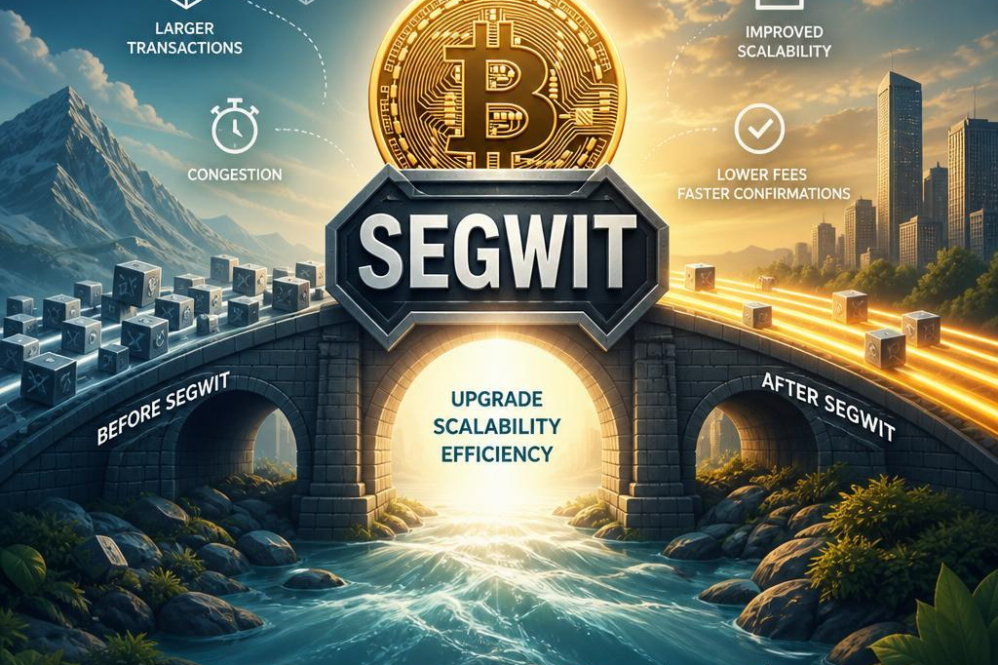
The Benefits Of SegWit Beyond Transaction Speed Improvements
SegWit, introduced to bitcoin in 2017, offers more than just transaction speed improvements by enhancing the system’s security and efficiency in several ways beyond its immediate benefits. One of the key advantages is its capability to alleviate the threat of transaction malleability attacks-an issue that could possibly allow malicious actors to alter transactions mid-flight, rendering them void or causing double spending issues. SegWit addresses this concern by altering how transaction signatures are stored within blocks, making it much harder for attackers to manipulate these transactions.
Another aspect where SegWit shines is in its support for second-layer solutions like the Lightning Network. By separating signature data from transaction data, SegWit makes it feasible for users to engage in off-chain transactions that are quicker and less costly than those conducted directly on the bitcoin blockchain. This capability means that users can send funds instantly with incredibly low fees-frequently enough just a few cents or even fractions of a cent per transaction, which traditional on-chain payments typically cannot match due to higher scalability limitations.
In addition to these benefits, SegWit also improves user experience by reducing block size requirements for new transactions, thus freeing up space within individual blocks. This has a direct impact on the overall network capacity and makes it possible for more transactions to pass through the system at any given time without straining resources excessively. Consider a scenario where multiple users simultaneously need to send low-value payments; with SegWit enabled nodes operating smoothly alongside legacy ones, this process becomes far quicker and less resource-intensive, contributing to a less congested network overall.Table 1: Key Benefits of Segregated Witness Over Traditional Transactions
| Benefit | Impact |
|---|---|
| Enhanced Security | Mitigates transaction malleability risks, preventing double spending. |
| Boosts overall network integrity by safeguarding against malicious interference. | |
| Actionable Support for Second-Layer Technologies | Promotes the progress and adoption of platforms like Lightning Network. |
| Increased Capacity and Efficiency | Reduces block size constraints, allowing more transactions to be processed simultaneously. |
How SegWit Solves The bitcoin Block Size Dilemma And Promises Cost Efficiency
SegWit, short for Segregated Witness, is one of bitcoin’s most meaningful upgrades, introduced to address the block size dilemma that was causing congestion and high transaction fees in the network. By separating the witness data from the core blockchain transactions, it allows each block to carry more details without increasing its actual storage requirements.This innovation effectively increases bitcoin’s capacity while reducing bottlenecks at no additional cost.
The crux of SegWit lies in how it reorganizes data within blocks, enabling them to accommodate up to four times the number of typical transactions. Without this upgrade, miners often prioritize high-fee transactions due to limited block space, which pushes smaller or lower-value users away and exacerbates network congestion. By increasing block efficiency, SegWit encourages a broader range of participants in the bitcoin ecosystem by lowering transaction costs for everyone involved.
Table 1: Comparison between traditional blocks and Segregated Witness (SegWit) blocks
| Feature | Traditional Block | SegWit Block |
|---|---|---|
| Block Size Limit (MB) | 1 | Up to 4x more efficient |
| Data Structure | Data + Witness Data | Data Only (Witness Separated) |
| Transaction Capacity | Average capacity, high transaction costs for congestion | Four times the transactions, lower fees due to efficiency |
SegWit’s introduction to bitcoin signifies a pivotal moment in its evolution towards addressing scalability and operational effectiveness. This change not only mitigates current issues but also prepares the network for more significant advancements down the line.
A Comprehensive Guide For Users And Merchants To Adopt Segwit Today
SegWit adoption is crucial for both merchants accepting bitcoin and end users to improve transaction efficiency and reduce fees. By integrating Segregated Witness (SegWit), the blockchain can process more transactions per block, enhancing scalability without changing the core protocol of bitcoin itself. Merchants and users should understand that upgrading from traditional addresses to SegWit addresses involves a few changes but offers significant benefits in security and performance.
When converting your setup, start by identifying which wallet or service providers support SegWit technology. Most mainstream wallets like BitPay and Coinbase now include this feature natively. Users must activate their SegWit keys within these platforms before any transactions are processed as SegWit-enabled. This can sometimes be managed through settings under an account’s security section. Ensure you verify the address format, which will usually begin with a ‘3’ for P2SH or a ‘bc1′ code for native Bech32 addresses, marking them distinct from traditional bitcoin addresses.
The transition to SegWit doesn’t just benefit large-scale merchants; it also provides tangible advantages to individuals trading modest amounts of cryptocurrency. With faster confirmation times and reduced transaction fees, users can save money on every transfer while enjoying more reliable service overall. Implementing SegWit is especially beneficial for regular small transactions such as micropayments or daily expenses in bitcoin. Below are some key points to highlight about the advantages:
| Feature | Description |
|---|---|
| Cashflow Optimization | Reduces fees, enabling more affordable micropayments. |
| Transaction Speed | Offers quicker confirmation times, ideal for real-time purchases. |
| Security Enhancements | Increases resistance against certain attack vectors without compromising private keys. |
This upgrade is essential not only to stay competitive but also to adapt to future demands in the evolving cryptocurrency landscape.
Understanding And Implementing Segregated Witness In Modern bitcoin Wallets
Segregated Witness (SegWit) is a significant upgrade to bitcoin’s technology designed to increase scalability and efficiency by separating witness data from transaction inputs, which are used for validation. This separation reduces the size of transactions in the blockchain, allowing more transactions to fit within each block, thus reducing fees and improving overall network performance. One of the crucial changes brought about by SegWit is the inclusion of a new transaction version number; transactions that use SegWit now have a version 1 flag.
Modern wallets need to support this new format in order to take full advantage of the benefits provided by SegWit. Wallets like Electrum, Armory, and Ledger Live offer support for native SegWit addresses (starting with “bc1”), which are optimized for users who want to send transactions faster at lower costs. Implementing SegWit also requires changes in terms of key management, specifically the introduction of P2SH-P2WPKH address format used to wrap native SegWit addresses for compatibility reasons.
Note: Users should ensure their wallets are updated and have enabled support for SegWit addresses before attempting to send or receive transactions with them.
For wallet developers and enthusiasts interested in the technical details, understanding how block space is freed up on the network through transaction weight optimization becomes essential. With SegWit, signature data (witnesses) is now stored outside of the main blockchain structure, which reduces overall transaction size significantly compared to traditional P2PKH transactions that were previously predominant in bitcoin’s ecosystem. This shift not only eases congestion but also paves the way for more complex use cases within the realm of smart contracts and decentralized finance (DeFi).Below is a simplified table comparing key elements of SegWit and legacy transactions:
| Transaction Type | Size per Transaction | Block Capacity |
|---|---|---|
| SigOp Cost (Legacy) | 146 bytes | ~700kb/block |
| P2SH-P2WPKH/Witness V0-SigScript | 34 + witness data bytes | Up to 1.8mb/block (1.5x increase) |