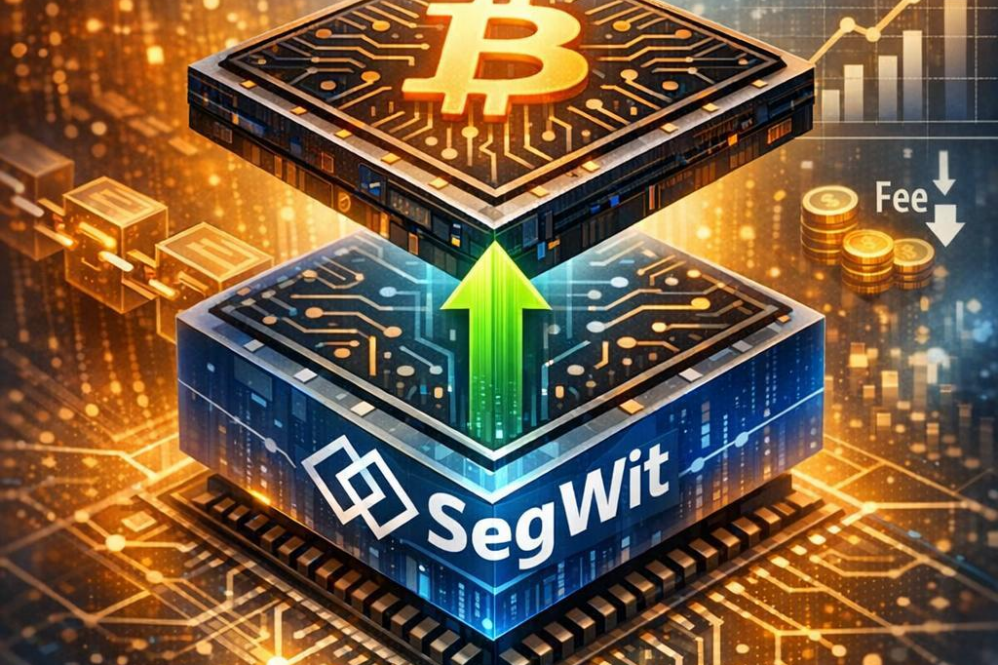
Understanding the Technical Foundations of SegWit and Its Impact on Transaction Efficiency
Segregated Witness (SegWit) represents a critical upgrade to bitcoin’s protocol, fundamentally altering how transaction data is stored on the blockchain. At its core, SegWit “separates” the witness data (the signatures) from the transaction data, reducing the original transaction size without compromising security or functionality. This separation allows more transactions to fit into each block, effectively increasing bitcoin’s throughput and addressing the long-standing scalability challenge.
The technical innovation of SegWit hinges on its ability to reduce transaction malleability, a vulnerability where transaction ids could be altered before confirmation. By moving signature data outside the customary block structure,SegWit secures transaction IDs,which enables second-layer solutions like the Lightning Network to function efficiently. Additionally, this structural change results in lower transaction fees, as fees are calculated based on “weight units” that assign less weight to the moved witness data, making usage more cost-effective for everyday transactions.
| Feature | Pre-SegWit | Post-SegWit |
|---|---|---|
| Block Size Limit | 1 MB | Up to 4 MB (block weight limit) |
| Transaction Malleability | Vulnerable | Mitigated |
| Transaction Fees | Higher | Lower |
| Second-Layer Compatibility | Limited | Enhanced |
- Increased block efficiency: More transactions per block without increasing the block size drastically.
- Improved security: Mitigation of malleability boosts the reliability of payment channels.
- Lower fees: Reduced effective transaction size decreases costs for users.
Analyzing the Role of SegWit in Enhancing bitcoin Scalability and Network Throughput
Segregated Witness (SegWit) fundamentally transforms how transaction data is stored and processed on the bitcoin blockchain. By separating the witness data-which contains signatures-from the transaction data, SegWit effectively increases the block capacity without altering the block size limit. This modification directly addresses transaction malleability,a vulnerability that previously hindered the progress of advanced scaling solutions. The result is a more robust and scalable network that can process a greater volume of transactions with improved speed and reduced fees.
Enhanced network throughput is another critical benefit realized through SegWit. Prior to SegWit, the weight of transactions limited how many could fit into a single block, often leading to congestion during peak times. SegWit’s novel approach introduces a new metric called “weight units” that balances the counting of transaction data and witness data differently. This recalibration not only accommodates more transactions per block but also optimizes block propagation time across nodes, thus reducing latency and enhancing overall network efficiency.
| Aspect | Pre-SegWit | Post-SegWit |
|---|---|---|
| Maximum block weight | 1,000,000 weight units | 1,000,000 weight units with witness data efficiency |
| Average transactions per block | ~1,500 | ~2,300 |
| Transaction malleability | Vulnerable | Resolved |
| Fee efficiency | higher average fees | Reduced fees through optimized data handling |
- Transaction Capacity: Increased block utilization through data segregation
- Malleability Fix: Enables second-layer technologies like Lightning Network
- Fee optimization: Lower transaction fees due to higher throughput
Evaluating Transaction Fee Optimization Through SegWit Implementation
Transaction fees have long posed a challenge in the bitcoin network, frequently enough rising sharply during periods of high demand. The implementation of Segregated Witness (SegWit) addresses this by fundamentally restructuring how transaction data is stored. By separating the witness data from the transaction data, segwit effectively increases the block size limit without altering the original 1MB cap. This change allows more transactions to fit into each block, thereby reducing congestion and lowering fees.
Key factors contributing to fee optimization include:
- Reduced transaction size: Signature data, stored separately, consumes less space in the crucial block capacity metric.
- Batching efficiency: SegWit enables better aggregation of multiple inputs and outputs, optimizing data use.
- Lowered incentive for excessive fee bidding: With more room in blocks, users face less competition, stabilizing fees.
| Fee Metric | Before SegWit | After SegWit | Improvement |
|---|---|---|---|
| Average Fee per Transaction (USD) | $7.50 | $2.30 | -69% |
| Average Transaction Size (vBytes) | 600 | 350 | -42% |
| Daily Transactions per Block | 2,000 | 3,200 | +60% |
Best Practices for Adopting SegWit to Maximize Benefits in bitcoin Transactions
Implementing SegWit begins with ensuring yoru wallet or payment processor supports the protocol. To maximize benefits, prioritize wallets that have full SegWit (bech32) address compatibility, as these addresses enable lower transaction fees and faster confirmations. Transitioning incrementally by sending from legacy to SegWit addresses before fully switching ensures smooth adaptation.Additionally, merchants should enable SegWit on thier payment infrastructure to reduce operational costs while boosting transaction throughput.
Security remains paramount during SegWit adoption. Take advantage of SegWit’s inherent protection against transaction malleability to improve the reliability of second-layer solutions like the lightning Network. Regularly update software to leverage the latest SegWit improvements and monitor network consensus changes actively. A multi-layered approach encompassing tested SegWit-supported hardware wallets, secure key management, and clear user education minimises risks associated with protocol upgrades.
| Best Practice | Benefit | Recommended Tool/Technology |
|---|---|---|
| Use Native SegWit (bech32) Addresses | lowest fees and enhanced efficiency | Electrum, Ledger Live |
| Enable SegWit on merchant Payment Gateways | Reduced processing costs, faster settlements | BTCPay Server, OpenNode |
| Keep Software Updated | Enhanced security and bug fixes | bitcoin Core, Wasabi Wallet |
- Test transactions with small amounts to validate SegWit functionality
- Educate users about address formats and transaction fee differences
- Monitor mempool and fee market to optimize transaction timings
