understanding the Functionality and Security Features of Hot Wallets
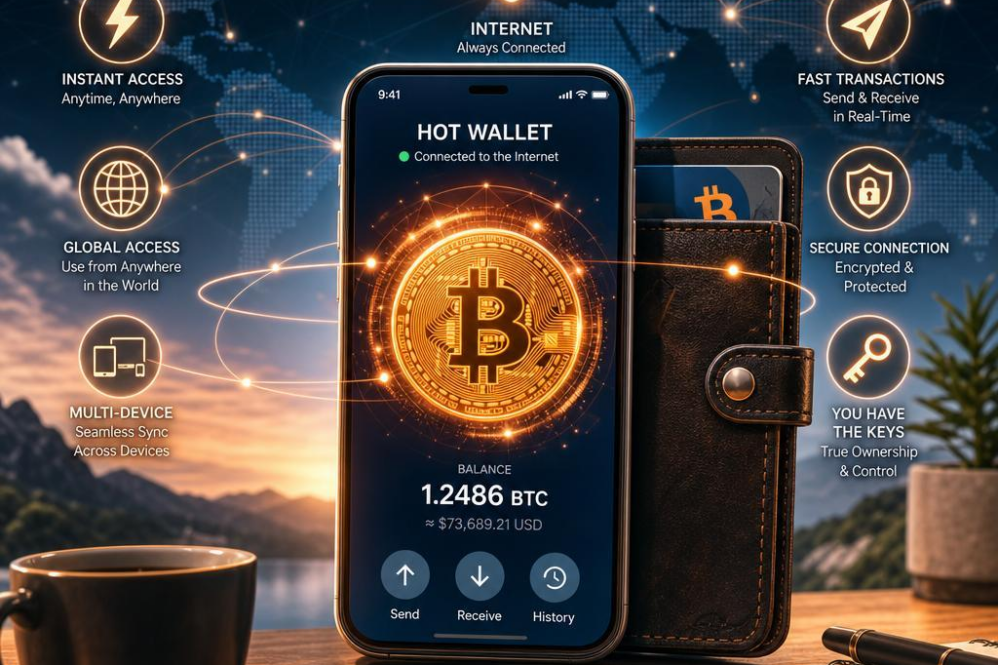
Hot wallets are essential tools for cryptocurrency users who require swift and seamless access to their bitcoin holdings. These wallets operate by connecting directly to the internet, enabling instantaneous transaction capabilities. Their core functionality revolves around managing private keys on devices such as smartphones, computers, or web browsers, which facilitates immediate sending and receiving of bitcoin. This constant connectivity, however, makes them inherently more vulnerable compared to cold storage solutions.
Security features embedded in hot wallets are designed to counteract potential risks associated with online exposure. these include multi-factor authentication (MFA), biometric verificationand encryption of private keys to prevent unauthorized access. Additionally, many hot wallets incorporate automatic logout functions and transaction alerts to safeguard users against theft or hacking attempts. Despite these measures, users must remain vigilant and employ best practices such as maintaining strong passwords and using reputable wallet providers.
| Feature | Purpose | Example |
|---|---|---|
| Multi-factor Authentication | Enhances login security | SMS code, Authenticator app |
| Encryption | Protects private keys | AES-256 standard |
| Auto Logout | Minimizes unauthorized access risk | Timeout after inactivity |
| Transaction Alerts | Notifies user of wallet activity | Push notifications |
Using a hot wallet demands a balanced approach that combines convenience with cautious security measures. It is ideal for everyday transactions,allowing users to quickly access and utilize their bitcoin without delay. However, for long-term storage or holding large amounts, combining hot wallets with cold storage is advised to benefit from both accessibility and enhanced protection.
Comparing Hot wallets to Cold Wallets for bitcoin Storage
Hot wallets serve as the most accessible method for managing bitcoin, relying on an active internet connection to facilitate transactions.they provide users with immediate access to their funds, enabling swift sending and receiving of bitcoin.This real-time connectivity, though, also introduces potential vulnerabilities, as hot wallets are continually exposed to online threats such as hacking and phishing attacks.
In contrast, cold wallets operate offline, storing bitcoin in hardware devices or paper wallets that are disconnected from the internet. This isolation from digital networks substantially reduces the risk of unauthorized access, making cold wallets the preferred choice for long-term storage and large bitcoin holdings. Yet, this enhanced security comes at the cost of convenience, as accessing and transferring bitcoin from cold wallets requires additional steps and setup.
| feature | Hot Wallets | Cold wallets |
|---|---|---|
| Internet Connection | Required | Not Required |
| Security Level | Moderate | High |
| Access Speed | Instant | Slow |
| Use Case | Daily Transactions | Long-Term Storage |
| Risk Exposure | Higher (Online threats) | Lower (Offline) |
- Hot wallets empower user flexibility, blending speed and convenience for frequent bitcoin use.
- Cold wallets prioritize security, providing peace of mind for storing ample bitcoin reserves.
- Choosing between them depends on balancing daily accessibility with protective measures suited to user needs.
Best Practices for Safeguarding bitcoin in Hot Wallets
Regularly update your wallet software to defend against vulnerabilities. Hot wallets constantly connected to the internet face heightened risks from hackers exploiting outdated or unpatched software. Ensuring your wallet app and any associated security tools are up-to-date reduces exposure to known exploits and strengthens your defense against malicious attacks.
Implement two-factor authentication (2FA) and strong passwords. A robust password combined with 2FA drastically minimizes unauthorized access attempts.Whenever possible, use hardware-based authentication devices or authenticator apps rather than SMS-based 2FA, which can be vulnerable to SIM swapping. Layered security protocols form a key part of a multi-faceted approach to safeguarding digital assets held in hot wallets.
Consider maintaining a clear segregation between funds you use actively and reserves.Employ multiple hot wallets for daily transactions and keep only minimal balances online to limit exposure. The table below summarizes a practical approach to hot wallet fund allocation:
| Usage | Recommended Balance | Security Focus |
|---|---|---|
| Daily transactions | Low (1-5% of total holdings) | Fast access, 2FA enabled |
| Short-term holding | Moderate (5-20%) | Regular software updates, encrypted backups |
| Longer-term reserves | Kept offline or in cold storage | Maximum protection away from internet |
Evaluating Trusted Hot Wallet Providers and Their Access Protocols
Choosing the right hot wallet provider hinges on evaluating the security protocols that govern access and transactions. Trusted providers implement multi-layered authentication methods, such as two-factor authentication (2FA), biometric verification, and hardware token integration, which significantly reduce unauthorized entry risks. Additionally, end-to-end encryption standards ensure that private keys transmit securely over the internet, protecting sensitive data from interception during online sessions.
It is indeed critical to analyse how these wallets handle session management and recovery options.Reliable hot wallets usually limit session durations, require frequent re-authenticationand provide users with robust backup and recovery mechanisms like seed phrases or encrypted cloud backups. These features safeguard assets against both digital threats and accidental user errors, promoting a balance between convenience and stringent security.
| Provider | access Protocols | Security Highlights |
|---|---|---|
| CryptoSafe Wallet | OAuth 2.0 + 2FA | Encrypted keys,Real-time alerts |
| SecureBit Wallet | Biometric + Hardware Token | Segregated accounts,Multi-layer encryption |
| NetGuard Wallet | Password + SMS verification | Cold storage integration,Auto-lock sessions |
Apart from technical specifications,examining user reviews and transparency reports offers valuable insight into a provider’s reliability. Reputable hot wallets disclose their security audits, response plans to breaches, and compliance with regulatory standards. By thoroughly vetting these aspects, bitcoin users can confidently choose wallets that not only offer seamless internet access but also uphold the integrity and safety of their digital assets.