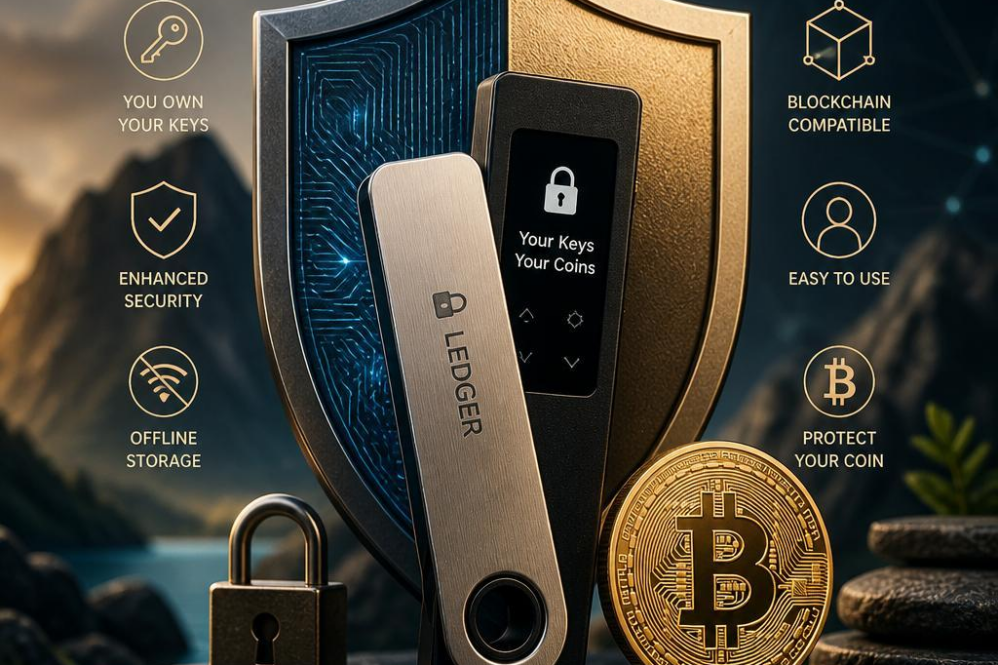
Here are 4 consecutive headings for an article about hardware wallets:
Hardware Wallets 101: Safeguarding Your bitcoin Private Keys
A hardware wallet is a dedicated electronic device designed to securely store and manage your cryptocurrencies offline. Unlike software wallets that rely on computer security, hardware wallets focus exclusively on protecting your private keys, the encrypted codes that grant access to your digital assets. By storing these keys on a separate,tamper-resistant device,you effectively shield yourself from online threats and hacking attempts. A dedicated hardware wallet isolates your finances from your daily computing risks.
When choosing a hardware wallet, several factors come into play: security features, ease of use, compatibility with various cryptocurrenciesand cost. Some popular options include USB-based wallets like the Ledger or Trezor, which are widely regarded for their durability and user-friendliness. Others might opt for less mainstream brands or alternatives that prioritize specific functionalities. Consider these key factors to make an informed decision:
* security reputation of the manufacturer
* Hardware requirements (e.g., USB ports)
* Cryptocurrency compatibility and potential limitations
* Price point in relation to wallet features and support
Each wallet model often comes with a detailed specification sheet, outlining it’s unique features and capabilities. Take Ledger as an example:
| Model | Security Features | Supported coins |
|---|---|---|
| Ledger X | Double-verified PIN lockout mechanism, Tamper-evident and self-destruct mechanisms, Secure Operating System (SOS) architecture | bitcoin, Ethereum, Ripple |
Please note that the specifications vary across brands. For detailed specifics on each model, always refer to their official documentation or manufacturer’s website.
Choosing the Right Hardware wallet for Your Needs
Secure Storage Made Simple
When it comes to safeguarding your cryptocurrencies, there’s no one-size-fits-all approach. different situations require different levels of security and convenience. at the heart of this decision is the hardware wallet – a specialized device designed specifically for storing private keys securely.
But what exactly sets a hardware wallet apart from other storage solutions? For starters, these devices are equipped with their own processors, operating systemsand interfaces that run independently of your computer or mobile device. This means they’re not connected to the internet, reducing the risk of hacking or unauthorized access. In fact, many hardware wallets can be considered air-gapped, since they don’t come into contact with any online networks.
Consider the similarities between different hardware wallet designs:
• Ledger and Trezor
• KeepKey
• CoolWallet
understanding the key Components of Hardware Wallets
Hardware wallets serve a crucial function in the digital assets ecosystem: secure, offline storage of private keys. At their core, they are more than just devices – they’re tangible vessels protecting sensitive facts from cyber threats and human error.
A common misnomer is that hardware wallets directly safeguard funds; though,this isn’t entirely accurate – the actual storage occurs on an external platform or exchange untill transferred to the wallet. What a hardware wallet does provide is key management: through input via a physical interface (usually a keypad), sensitive information remains encrypted and detached from online networks.
Consider the following comparison of various form factor designs:
• Metal-bodied wallets often emphasize durability,
• Plastic solutions prioritize sleekness.• Card-shaped designs attempt to harmonize these aspects.one vital aspect of hardware wallet functionality lies in their user interfaces.The majority use 8-16 character alpha-numeric input for key entry,though some also incorporate touchscreen capabilities and more extensive display screens,providing the ability to access various settings and statistics directly.
advanced Features for Enhanced Security and Convenience
advanced Security Measures in Hardware Wallets
Hardware wallets are designed to provide an extra layer of protection for your sensitive data and cryptocurrencies. One key advanced security feature is the use of secure boot mechanisms, which ensure that the wallet’s firmware has not been tampered with or compromised. This helps prevent malicious code from being loaded onto the device. many hardware wallets use encryption protocols such as elliptic curve cryptography (ECC) to safeguard your private keys and other sensitive data.
Hardware wallets also often come equipped with passphrases or PIN numbers that must be entered before transactions can be initiated. These secure authentication methods add an extra hurdle for potential hackers or unauthorized users attempting to access your wallet. many models include features such as cold storage capabilities, which allow private keys to never leave the device’s surroundings during normal use – further minimizing exposure.
Some popular hardware wallets offer a wide range of security settings and options,including adjustable authentication methods (e.g., keyboard-only vs. keyboard + mouse). Others include device-based keychains or QR code scanning, reducing reliance on external peripherals.
| Feature | description |
|---|---|
| Encrypted Storage | Secure storage for data and keys |
| Secure Boot | Verifies authenticity of firmware |
| Cold Storage | Private keys never leave the device |
with so many advanced security features on offer, it can be overwhelming to decide which wallet best fits your needs.