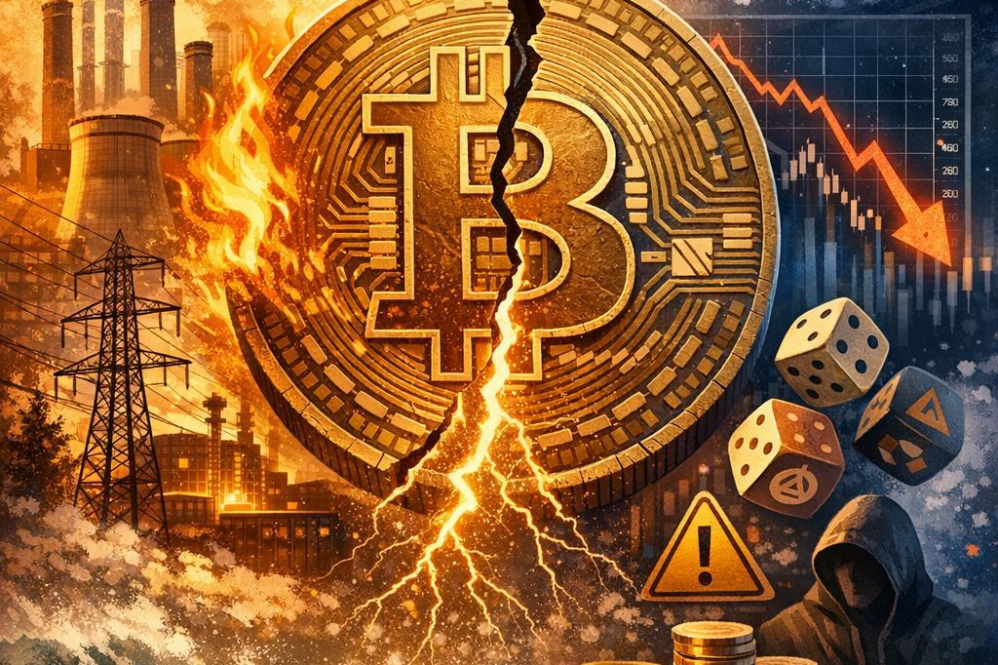
The Environmental Impact of bitcoin Mining and Sustainable Alternatives
bitcoin mining relies heavily on computational power, which in turn demands important electricity consumption. This intensive energy use often draws criticism, especially when the power originates from fossil fuels, leading to increased carbon emissions. The environmental footprint of mining varies globally, largely influenced by the regional energy mix and mining efficiency. To put this into outlook, consider the following breakdown of energy sources commonly used for bitcoin mining:
| Energy Source | Global Mining Share (%) | carbon Emissions Impact |
|---|---|---|
| Hydroelectric | 35 | Low |
| Coal | 40 | High |
| Natural Gas | 15 | Medium |
| Renewables (Solar, Wind) | 10 | Very Low |
Amidst growing environmental concerns, the bitcoin community and innovators have been exploring sustainable alternatives to reduce ecological damage without compromising network security. These efforts include:
- Transitioning to renewable energy sources such as solar, wind, and hydroelectric power to fuel mining operations.
- Developing energy-efficient mining hardware that can perform computations with reduced electricity consumption.
- Implementing carbon offset initiatives where miners invest in projects that neutralize their carbon emissions.
While bitcoin’s Proof-of-Work mechanism remains energy-intensive, advancements in blockchain technology like Proof-of-Stake and hybrid consensus models show promise for more sustainable crypto ecosystems. Transition strategies and innovations could reshape the future, balancing energy consumption with responsible environmental stewardship, ensuring the longevity and acceptance of digital currencies across societies.
Analyzing bitcoin’s Price Volatility and Market Behavior
bitcoin’s price is notorious for it’s dramatic fluctuations, which are driven by a combination of speculative trading, market sentiment, and macroeconomic factors. Unlike traditional assets, bitcoin’s value is heavily influenced by investor psychology, leading to sudden rallies or crashes that can occur within hours. This volatility frequently enough deters conservative investors but attracts those willing to speculate on rapid gains. Understanding these price swings requires analyzing factors such as trading volumes, regulatory news, and global economic uncertainties that consistently impact market behavior.
Several key characteristics underpin bitcoin’s market dynamics:
- liquidity Constraints: bitcoin markets are less liquid compared to traditional financial markets, which amplifies price swings when large trades occur.
- 24/7 Market Operation: bitcoin trading never pauses, meaning global events can influence prices at any time, increasing unpredictability.
- Market Maturity: As an emerging asset class,bitcoin is still developing institutional support and regulatory frameworks,contributing to frequent market corrections.
| Factor | Impact on Volatility |
|---|---|
| News & Announcements | High volatility spikes due to speculation and sentiment shifts |
| Regulatory Changes | Sudden market corrections or growth opportunities |
| Large Investor Moves | Price surges or dips from whale transactions |
| Global Economic Trends | Influences bitcoin’s safe-haven appeal and risk perception |
Assessing Security Risks and Regulatory Challenges in bitcoin Usage
bitcoin’s decentralization comes at a cost, notably in terms of security vulnerabilities and evolving regulatory landscapes. One key concern is the potential for cyberattacks targeting wallets and exchanges, which can lead to significant financial losses for users. Additionally, the pseudonymous nature of bitcoin transactions sometimes complicates efforts to combat illicit activities such as money laundering and fraud. regulatory bodies worldwide grapple with creating frameworks that both foster innovation and mitigate these risks.
Among the most pressing challenges is the lack of consistent regulations across jurisdictions.While some countries embrace bitcoin and establish clear guidelines, others impose stringent restrictions or outright bans. This patchwork regulatory environment introduces uncertainty for investors and businesses alike. The following table summarizes key regulatory stances in major regions:
| Region | Regulatory Approach | Primary Concern |
|---|---|---|
| North America | Progressive regulation | Consumer protection |
| Europe | Mixed-some friendly, some cautious | Anti-money laundering compliance |
| Asia | Varied with strict bans in some countries | Financial stability and fraud prevention |
Security risks are exacerbated by the inherent volatility of bitcoin’s market price, which can hinder its adoption as a stable currency. This volatility complicates compliance for businesses that accept bitcoin, as rapid price swings may translate to unpredictable valuations. Furthermore, evolving hacking techniques demand that users continually upgrade their security measures to safeguard their assets, positioning security as a moving target rather than a fixed guarantee.
- Wallet security depends heavily on user practices and the technology employed
- Exchange vulnerabilities remain a prime target for cybercriminals
- Regulatory clarity is critical to fostering both trust and innovation
Strategic Recommendations for Mitigating bitcoin’s Criticisms and Enhancing Adoption
Embracing sustainable innovation is paramount to reducing bitcoin’s substantial energy consumption.Transitioning mining operations to renewable energy sources such as solar, wind, or hydropower can dramatically lower the environmental footprint. Collaborations between miners and green energy providers should be incentivized through tax benefits and grants, creating a strong economic case for sustainability. Additionally, advancing research in more energy-efficient consensus mechanisms or layer-two solutions will help mitigate criticism tied to bitcoin’s energy demands without compromising decentralization or security.
Addressing market volatility demands a multi-faceted approach aimed at fostering greater stability and trust. Institutional involvement, through regulated bitcoin investment vehicles and futures markets, can offer liquidity and reduce abrupt price swings by providing hedging tools for investors. Furthermore, enhancing transparency and market surveillance can curb manipulation and speculative excesses. Educational initiatives targeting retail investors must emphasize risk awareness and portfolio diversification to promote a more resilient ecosystem.
Systematic risk management and regulatory clarity are essential for building widespread adoption and mitigating associated concerns. Governments and regulatory bodies should cooperate to establish clear frameworks that define legal protections, anti-money laundering measures, and consumer rights specific to cryptocurrencies. This clarity will foster innovation while safeguarding against fraud and misuse. In parallel, the advancement of secure custodial solutions and insurance products can alleviate user anxieties about theft, loss, and hacking, paving the way for institutional adoption and mass acceptance.
