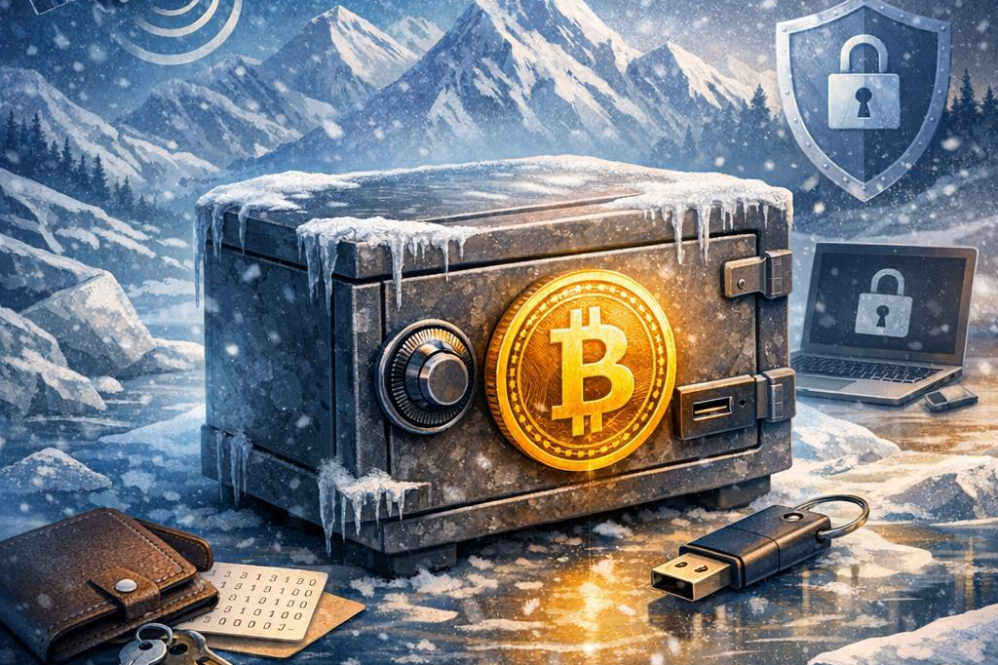
Understanding the Fundamental Principles of Cold Wallets and their Role in bitcoin Security
At the core of safeguarding bitcoin lies the concept of cold wallets – specialized storage devices or methods designed to keep private keys completely disconnected from the internet. This offline status effectively eliminates digital attack vectors such as hacking, phishingor malware infiltration, which are prevalent threats to hot wallets. By isolating bitcoin keys from the online surroundings, cold wallets provide users with an uncompromising layer of protection that significantly reduces the risk of unauthorized access and theft.
Key principles defining cold wallets include:
- Air-gapped storage: Devices or mediums that never interface directly with the internet or networks.
- Minimal exposure: Limiting interaction to signed transactions only, often via QR codes or USB transfers handled with caution.
- Physical control: Ownership of the wallet equates to physical custody of the storage device, enhancing security through tangible safeguards.
| Feature | Cold Wallet | Hot Wallet |
|---|---|---|
| Internet Connection | none (Offline) | Connected (Online) |
| Risk of Hacking | Minimal | High |
| Access Method | Physical Device | Software Interface |
| Use Case | Long-term storage | Frequent transactions |
Analyzing Different Types of Cold Wallets and Their Comparative Advantages
Cold wallets provide a critical layer of security by storing private keys completely offline, making them impervious to online threats such as hacking and malware. Among the most popular types are hardware wallets, paper wallets, and air-gapped computers. Each type offers distinct features suited for different user needs, from ease of use and portability to maximum security and longevity. Understanding these distinctions helps to select the most appropriate cold storage solution for securing bitcoin assets effectively.
Hardware wallets are physical devices specifically designed to securely store private keys offline. They combine user-pleasant interfaces with robust security measures like PIN codes and recovery seed phrases. Their portable nature supports frequent yet secure transactions, making them ideal for users who want convenience without compromising safety. Common examples include devices from Ledger and Trezor, both of which offer firmware updates to combat emerging threats.
Paper wallets and air-gapped computers represent option approaches with unique advantages.Paper wallets involve printing private keys and QR codes on physical paper, eliminating electronic exposure altogether. Though, they are vulnerable to physical damage and loss, requiring careful storage. Air-gapped computers,on the othre hand,operate completely offline,isolating private keys within an environment that never connects to the internet. This option is suited for advanced users needing the highest level of assurance but demands technical expertise to set up and maintain.
| Cold Wallet Type | Security Level | Ease of Use | Best For |
|---|---|---|---|
| Hardware Wallet | high | Moderate | Everyday Secure Transactions |
| Paper Wallet | Medium | Low | Long-Term Cold Storage |
| Air-Gapped Computer | Highest | Low | Maximal Security Enthusiasts |
Best Practices for Setting Up and Maintaining a Cold Wallet for Maximum Security
Setting up a cold wallet properly begins with selecting a trusted, reputable hardware device or generating a paper wallet in a secure environment. it is indeed critical to ensure that the private keys are created offline, far from any internet-connected devices, to eliminate risks from hackers or malware. During the initial setup, isolate your cold wallet on an air-gapped computer or deviceand use strong, unpredictable passwords or passphrases. Additionally, writing down your recovery seed phrase with a durable, non-digital method ensures that you maintain access without exposure to online threats.
Maintaining your cold wallet requires disciplined practices that prioritize physical security and systematic verification. Always store the wallet and backup phrases in concealed, fireproofand waterproof safes or vaults, ideally in multiple geographically separated locations. Regularly check your cold wallet storage environment for any signs of tampering or environmental damage. Avoid unnecessary handling of private keys or hardware to reduce wear and the chance of accidental compromise. Implementing multisignature wallets can also add an extra security layer without reducing offline safety.
Operational best practices extend to how and when assets are moved from cold storage to active use. before conducting any transaction, verify the integrity of the signing device and connected software through trusted sources. Never connect your cold wallet to an internet-enabled computer unless absolutely necessaryand consider using an intermediary air-gapped device for transaction signing. Document all transaction steps meticulouslyand keep firmware on hardware wallets up to date, only updating from official, verified sources. Below is a fast reference table summarizing key actions:
| action | recommended practice | Reason |
|---|---|---|
| Key Generation | Generate offline and air-gapped | Prevents online exposure to private keys |
| storage | Use fireproof & waterproof safes | Protects against physical damage and theft |
| Transaction Signing | Use air-gapped intermediary devices | Maintains offline security during transfers |
| firmware Updates | Update only from official sources | Ensures authenticity and security |
Mitigating Common Risks and Vulnerabilities Associated with Offline bitcoin Storage
While offline bitcoin storageor “cold wallets,” dramatically reduces exposure to hacking and online threats, it is not without its own unique risks. One significant vulnerability lies in physical security – if the device or paper wallet holding private keys is lost, stolenor damaged, the bitcoin it secures becomes irretrievable. To mitigate this, it is crucial to maintain multiple, geographically separated backups in tamper-evident, environmentally resistant storage. Encryption of private keys before storage adds an additional layer of safety, ensuring that even if physical access is compromised, the assets remain protected.
Another common risk is human error, particularly during setup and transaction signing.Cold wallets require manual handling of keys and offline devices,which introduces the potential for mistakes such as exposing private keys during transfer,or incorrectly verifying transaction details on limited display interfaces. Best practices include using well-vetted hardware devices, following step-by-step instructions meticulouslyand verifying transaction details on a separate, trusted device. Employing multisignature schemes can further reduce risk by requiring multiple approvals before funds can be moved,thereby minimizing reliance on a single offline key.
| risk Category | Mitigation Strategy | Benefit |
|---|---|---|
| Physical Loss or Damage | Multiple backups in secure locations | preserves access if one copy is compromised |
| Human Error | Using hardware wallets and multisig | Reduces key exposure and transaction mistakes |
| Theft or Tampering | Encryption and tamper-evident storage | Secures keys even if accessed physically |
Adopting a disciplined approach that combines physical safeguards with technical best practices can substantially lower the risks inherent to offline bitcoin storage. Regularly reviewing security protocols and staying informed about emerging threats ensures that cold wallets remain a robust tool for long-term digital asset protection.
![What if bitcoin [btc]?](https://ohiobitcoin.com/storage/2019/01/ZrzWB4.png "What if bitcoin [btc]?")
