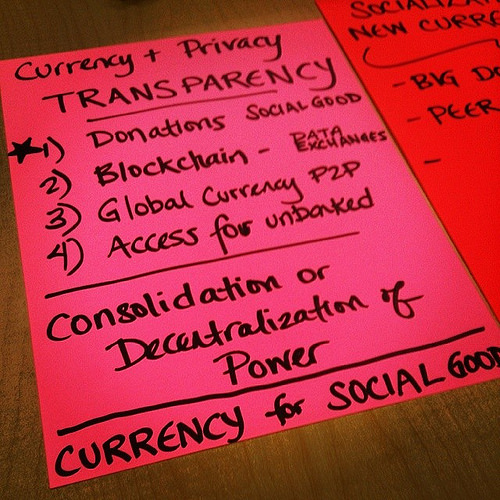
bitcoin nodes are vital for keeping the blockchain network secure and decentralized. A bitcoin node runs the bitcoin software, validating and relaying transactions and blocks. By doing this, nodes ensure that the network remains decentralized, meaning no single entity can control it. When you run a full node, you become a validator, checking the blockchain’s integrity independently without relying on centralized third parties.
One of the main jobs of a bitcoin node is to perform security checks on transactions and blocks. Node operators download and store the entire blockchain,which includes every transaction ever made. This full copy lets nodes verify the validity of new transactions and blocks against the existing blockchain data. Nodes prevent double-spending attacks, ensuring the network stays secure by consensus. A double-spending attack tries to spend the same bitcoin twice, but nodes detect and reject such attempts because each transaction must be unique and verifiable within the blockchain.
Running a bitcoin node not only secures the network but also enhances privacy by reducing reliance on third parties for transaction verification. Without a node, users typically rely on third-party services to process and validate transactions.These services can monitor and record transaction data, potentially compromising privacy. By running a node,users can transact privately,as their transactions are verified solely within their own node and the wider peer-to-peer network. This setup also helps in decentralizing the network since more participants actively validate transactions and blocks, making it harder for any single point of failure or control to dominate the system.
Best Practices for Operating bitcoin Nodes Efficiently and Safely
Operating a bitcoin node efficiently and safely is crucial for blockchain participation. A node acts as both a validator and a relayer, ensuring the integrity of transactions and the distribution of the blockchain across the network. To maintain optimal performance and security, it’s important to configure your node correctly from the start. Setting up a dedicated machine or virtual server with a reliable internet connection can minimize the risk of node downtime due to system malfunctions or resource shortages caused by other network activities. Keeping your node software updated to the latest version is also wise, as it ensures you receive critically important security patches and feature enhancements automatically.
To further enhance the security of your bitcoin node, implement strong access controls and monitor for unusual activity.Use strong, unique passwords and enable two-factor authentication wherever possible. use firewalls and security software to block unauthorized access attempts. Regularly review your node’s logs to identify and address any potential threats or errors early on. This vigilance is key to maintaining your node’s health and the overall network’s integrity.
Understanding the performance implications of your node is equally important. Nodes with limited resources might struggle to keep up with transaction verification demands, especially during busy times. To mitigate these issues,consider optimizing your node’s settings for better performance without compromising security. Such as, you can adjust your node’s memory pool settings to control the number of transactions waiting to be confirmed. This adjustment helps to prevent your node from becoming overloaded and falling behind. However, being too aggressive with optimizations can lead to missed transactions and decreased validation accuracy.
running a bitcoin node isn’t just about setting it up and forgetting it. It requires regular attention, proactive security measures, and performance tuning to ensure it remains a valuable contributor to the network’s health and resilience. By following these best practices, you can enhance the reliability and safety of your node, contributing positively to the broader bitcoin community.
Recommendations for Choosing Between Full Nodes and Light Nodes
When deciding between running a full node and a light node for your bitcoin network needs, consider several factors. A full node offers the highest level of security and decentralization by storing the entire bitcoin blockchain and validating every transaction. However, running a full node requires significant disk space and computing power, which can be a challenge for users with limited resources. Conversely, a light node, also known as an SPV (Simplified Payment Verification) node, uses far fewer resources and connects to a full node to verify transactions. While this approach is more efficient and accessible, it relies on others for verification, which can introduce some security risks and limited autonomy.
To help you make an informed decision, consider your primary use case for running a node. If privacy and security are top priorities,and you want to have total control over your financial transactions without relying on third parties,a full node is the best choice.Conversely, if you’re more concerned with ease of setup and ongoing maintenance, a light node might suit you better. A light node can be set up in minutes on a smartphone, whereas installing a full node can take hours and require continuous hard drive space management.
| Aspect | Full Node | Light Node |
|---|---|---|
| Storage Requirements | Large (currently over 350 GB and growing) | Small (less than 1 GB) |
| Reliance on Others | Doesn’t rely on other nodes for validation | Relies on full nodes for transaction validation |
| Processing Power | High (due to the need to validate all transactions) | Low (minimal processing power needed) |
This comparison highlights the trade-offs between the two node types and can definitely help you decide which option aligns best with your personal and technical requirements.