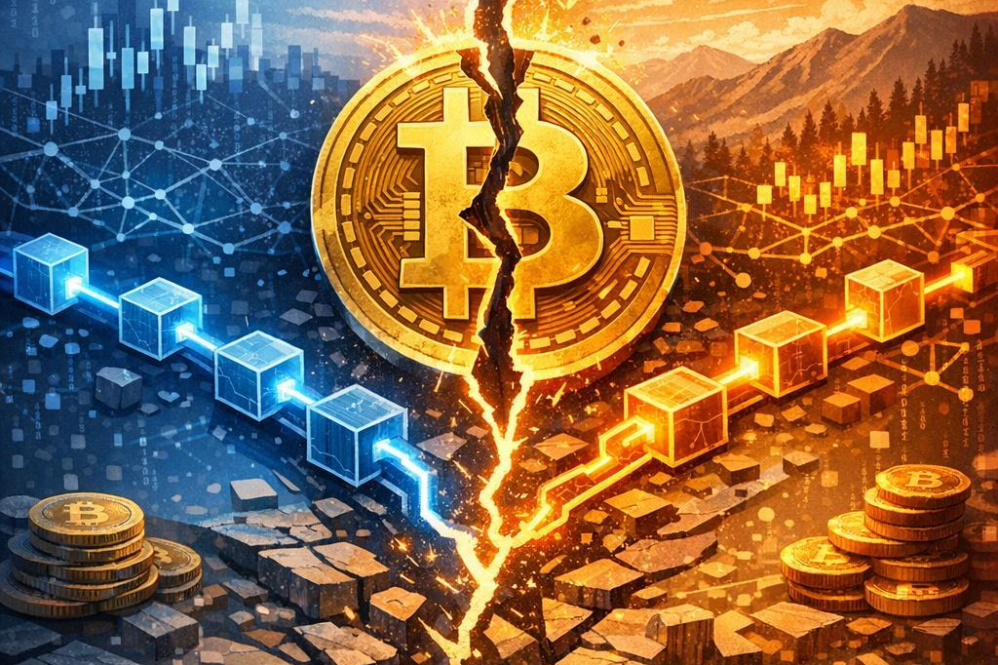
Understanding the Technical Foundations of bitcoin Hard forks
At the core of bitcoin’s architecture lies a decentralized ledger known as the blockchain, where every transaction is recorded within a chain of blocks.A hard fork occurs when this blockchain diverges into two incompatible paths due to rule changes embedded in new software versions. Unlike soft forks, which remain backward-compatible, hard forks necessitate that all participants upgrade to the new protocol version to maintain consensus. This divergence frequently enough results in the creation of a separate cryptocurrency, retaining past data but operating under distinct rules.
Several technical factors contribute to this splitting:
- Consensus protocol updates: Basic changes in how transactions and blocks are validated, such as adjustments to block size or transaction formats.
- Disagreement among miners or developers: Conflicting visions on network upgrades may trigger a fork when consensus cannot be reached.
- Security enhancements: Forks can implement protocols that enhance resistance against attacks or improve privacy features.
| aspect | Hard Fork Impact |
|---|---|
| Consensus rules | Conflict causing blockchain split |
| Node Compatibility | Pre-fork nodes reject post-fork blocks |
| Network Participants | Split communities & distinct currencies |
| Transaction History | Shared until fork block height |
Analyzing the Impact of Blockchain Splits on network Security and Consensus
When a blockchain undergoes a split, often termed a hard fork, it directly challenges the network’s cohesion by creating two separate chains with diverging transaction histories. This bifurcation can significantly impact network security as miners and nodes must decide which chain to support. The security model of decentralization is weakened if the community divides its hash power, potentially lowering the cost for bad actors to mount 51% attacks on either chain. This fragmentation demands careful coordination amongst participants to uphold the integrity and trustworthiness of the network.
The consensus process, at the heart of blockchain operation, faces unique stresses under splintered chain conditions. each chain may adopt different rules or protocol upgrades post-split, resulting in separate consensus mechanisms that no longer recognize one another’s valid blocks. This divergence can lead to complexities in transaction finality and block validation, confusing wallets, exchanges, and users. Maintaining consensus amidst dual or multiple competing chains necessitates enhanced interaction and robust protocol governance to mitigate discrepancies.
| Impact Aspect | Description | Potential Outcome |
|---|---|---|
| Hash Power Distribution | Division of mining resources between chains | Lower security threshold for attacks |
| Transaction Validity | Different consensus rules on chains | Possible double spending risk |
| Community Consensus | Varied protocol adherence among nodes | fragmentation of user trust |
Ultimately, the ramifications of blockchain splits extend beyond technical challenges-they test the resilience and adaptability of the entire ecosystem. Developers and stakeholders must strategically plan and communicate ahead of proposed forks to minimize disruptions. By understanding these impacts, the community can better safeguard network security and maintain a harmonious consensus mechanism crucial for sustainable blockchain operation.
Examining Key Examples of bitcoin Hard Forks and Their Market Implications
bitcoin hard forks represent pivotal moments where the blockchain undergoes a structural split due to meaningful consensus disagreements. These forks can lead to the creation of entirely new cryptocurrencies or updates that diverge from the original protocol. A prime example is the bitcoin Cash fork in 2017, which resulted from disputes over block size limitations. As an inevitable result, bitcoin Cash emerged with larger block sizes to facilitate faster transaction processing, presenting a fundamental ideological and technical divergence from bitcoin’s initial design.
The market implications of these forks are multifaceted. Investors often react to forks with a mix of anticipation and volatility, as the creation of new tokens can cause shifts in market capitalization and liquidity. Notably, some forks deliver immediate value to holders by crediting them with new coins proportional to their bitcoin holdings. Tho, the long-term market performance depends on the adoption, developer community support, and perceived improvements over the original chain. For instance, while bitcoin Cash gained initial traction, its price evolution contrasted sharply with that of bitcoin, illustrating how forks can split market confidence.
| Fork Name | Year | Key Change | Market Impact |
|---|---|---|---|
| bitcoin Cash (BCH) | 2017 | Increased block size | new token creation, initial price spike, market split |
| bitcoin SV (BSV) | 2018 | Restored original bitcoin protocol | market confusion, moderate adoption |
| bitcoin Gold (BTG) | 2017 | New mining algorithm | Promotion of mining decentralization, niche market presence |
Beyond price fluctuations, bitcoin hard forks frequently enough spark intense debates among developers and users about the future of decentralization and scalability.They also test the resilience of bitcoin’s ecosystem by revealing how adaptable its network and community are to evolving technical challenges.Ultimately, understanding these forks sheds light on the broader narrative of innovation and contention that continues to shape the cryptocurrency landscape.
Strategic Recommendations for Navigating and Investing in bitcoin fork Events
Effective navigation through bitcoin fork events demands an informed strategy rooted in clear understanding and timely decision-making. Investors should prioritize monitoring developer communities and official announcements as these provide crucial insights into the intent and technical direction of any proposed fork. Staying updated helps anticipate market reactions and positions you to safeguard yoru assets from sudden volatility.
Diversification remains a cornerstone recommendation during fork events. Allocating holdings across different cryptocurrencies, including those emerging from forks, can mitigate risks inherent to unpredictable outcomes. However, it’s vital to conduct diligent research on the successor chains’ technological viability and support to avoid holding depreciating or unsupported tokens.
| Strategy | Benefits | Risks |
|---|---|---|
| Hold Pre-Fork | Entitlement to new coins; potential profit | Price volatility; possible chain abandonment |
| Sell Before Fork | Avoid volatility; secure current value | Missed chance if fork succeeds |
| Use Reputable Wallets | Safer coin claims; reduced scam risk | Limited wallet support can hinder access |
it is indeed crucial to prioritize security and utilize reputable wallets or exchanges when handling forked tokens. Many new chains emerge with less robust infrastructure, increasing susceptibility to scams and technical failures. Ensuring proper custody and withdrawal methods reduces exposure to loss and enables smoother participation in post-fork developments.