Understanding bitcoin’s Energy Consumption and Environmental Impact
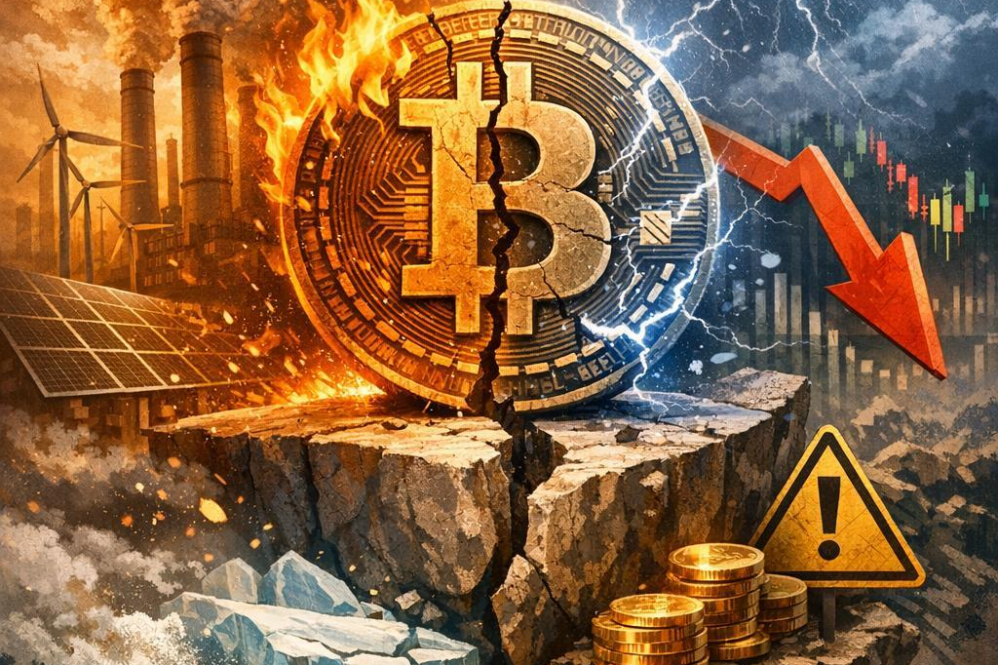
bitcoin’s energy consumption has become a lightning rod in debates surrounding its sustainability. The cryptocurrency’s decentralized ledger relies on a process called proof-of-work mining, which requires vast computational power and, consequently, significant electrical energy. Critics argue that the net environmental cost of this process is disproportionately high compared to conventional financial systems, especially in regions where electricity production is heavily reliant on fossil fuels. this concern is amplified by the fact that bitcoin mining farms often operate 24/7,consuming continuous amounts of power to validate transactions and secure the network.
An significant factor to consider is the geographic distribution of mining operations. While some bitcoin miners utilize renewable energy sources, such as hydroelectric or solar power, a substantial percentage still depend on coal or natural gas. This results not onyl in a considerable carbon footprint but also in local environmental strains,including increased air and water pollution. The environmental footprint is not only about carbon emissions; it encompasses ecosystem disruption and resource depletion, creating a multifaceted challenge for policymakers and the crypto community alike.
| Energy Source | estimated % of bitcoin Mining | Environmental Considerations |
|---|---|---|
| renewables (Hydro, Solar) | 39% | Low emissions, sustainable |
| Coal | 28% | High CO2, pollution |
| Natural Gas | 19% | Moderate emissions, methane leaks |
| Other | 14% | Variable impact |
- Energy intensity per transaction: bitcoin transactions consume more energy compared to traditional banking.
- Efforts for sustainability: Emergence of mining operations powered by green energy and exploration of option consensus algorithms.
- Regulatory challenges: Balancing innovation and environmental responsibility remains ongoing.
Analyzing bitcoin’s Price Volatility and Market Stability Challenges
bitcoin’s price behaviour is famously unpredictable, driven by a blend of market sentiment, regulatory news, and macroeconomic factors. This volatility poses a significant challenge for both investors and users hoping to adopt it as a stable medium of exchange.Prices can swing dramatically within hours,with daily percentage changes often surpassing those of traditional assets. Such fluctuations increase risk and complicate bitcoin’s potential role as a reliable store of value or unit of account in everyday commerce.
Market participants face several intertwined issues that contribute to instability:
- Limited liquidity in some exchanges amplifies price swings during large trades.
- Speculative trading dominates, frequently enough disconnected from the underlying network activity or adoption.
- Regulatory developments can trigger sudden market reactions, reflecting uncertainty and fear.
| Factor | Impact on Volatility | Market Consequences |
|---|---|---|
| Liquidity Depth | Low | Price spikes and drops with high-volume trades |
| Regulatory News | High | Rapid market sentiment shifts |
| Speculative Interest | High | Price detached from long-term value fundamentals |
Evaluating the Security risks and Fraud Concerns in bitcoin Transactions
When analyzing bitcoin transactions, one must consider the intrinsic security challenges posed by the network’s decentralized nature. Although blockchain technology provides an immutable ledger, vulnerabilities remain, especially in the context of wallet security, phishing attacks, and private key mismanagement. Users are often targeted through social engineering tactics, which can lead to irreversible losses as bitcoin transactions are final and cannot be reversed. Moreover,transaction delays and network congestion can sometimes expose users to double-spending risks during confirmation lags,albeit these instances are relatively rare due to the robust consensus protocols.
Fraud concerns are amplified by the pseudonymous characteristics of bitcoin, which, while promoting privacy, also facilitate illicit activities.The anonymity layer can be exploited by bad actors for money laundering, ransomware payments, and darknet marketplace transactions, complicating law enforcement efforts globally. this duality highlights the tension between user privacy and regulatory oversight, prompting ongoing debates on the balance necessary to prevent misuse without stifling innovation.
| risk Type | Description | Mitigation Strategies |
|---|---|---|
| Private Key Theft | Loss of access due to stolen or compromised keys | Use hardware wallets, multi-signature protocols |
| Phishing Attacks | Deceptive attempts to gain login credentials or wallet access | Strong authentication, awareness campaigns |
| Double Spending | Attempting to reverse or duplicate a transaction | Wait for confirmations, network monitoring |
| Regulatory Evasion | Use of bitcoin for illegal financial activities | Improved KYC/AML frameworks, chain analysis tools |
while bitcoin offers revolutionary potential for decentralized finance, its transaction ecosystem is not without significant security and fraud challenges. It demands a proactive approach combining technical safeguards, user education, and regulatory cooperation. Understanding these concerns equips stakeholders-from casual users to institutional investors-with the critical knowledge to navigate bitcoin’s complex risk landscape effectively.
Strategies for mitigating bitcoin’s Risks and Enhancing Investor Protection
Mitigating the inherent risks of bitcoin demands a multifaceted approach that prioritizes both technological innovation and regulatory oversight. Energy consumption concerns can be addressed by promoting alternative consensus mechanisms, such as proof-of-stake, or supporting networks that harness renewable energy sources.Additionally, pushing for more transparency about mining operations encourages accountability and helps reduce environmental impact. Institutional investors and miners should align on sustainability goals to transform bitcoin into a greener asset class without sacrificing its decentralized nature.
Volatility remains one of the biggest challenges for investor confidence and market stability. To counteract this, educational initiatives must emphasize the importance of risk management strategies including portfolio diversification and the use of hedging instruments like futures and options. creating robust, regulated crypto exchanges with clear safeguards can protect investors from extreme price swings and manipulative practices. Moreover, stablecoins and bitcoin-backed financial products could serve as tools to reduce exposure to wild fluctuations while maintaining digital asset accessibility.
broader investor protection protocols must also encompass stringent compliance frameworks that identify and prevent fraudulent schemes and cyber threats. Regulators worldwide are increasingly collaborating to unify standards that safeguard consumer rights and enhance market integrity. Below is a table summarizing key strategies and their purposes:
| Strategy | Purpose |
|---|---|
| Green Mining Initiatives | reduce environmental footprint and ensure sustainability |
| Risk Management Education | empower investors to handle volatility confidently |
| regulatory Collaboration | Enhance protection and prevent fraud across jurisdictions |