Understanding the Structure and Function of Legacy bitcoin Addresses
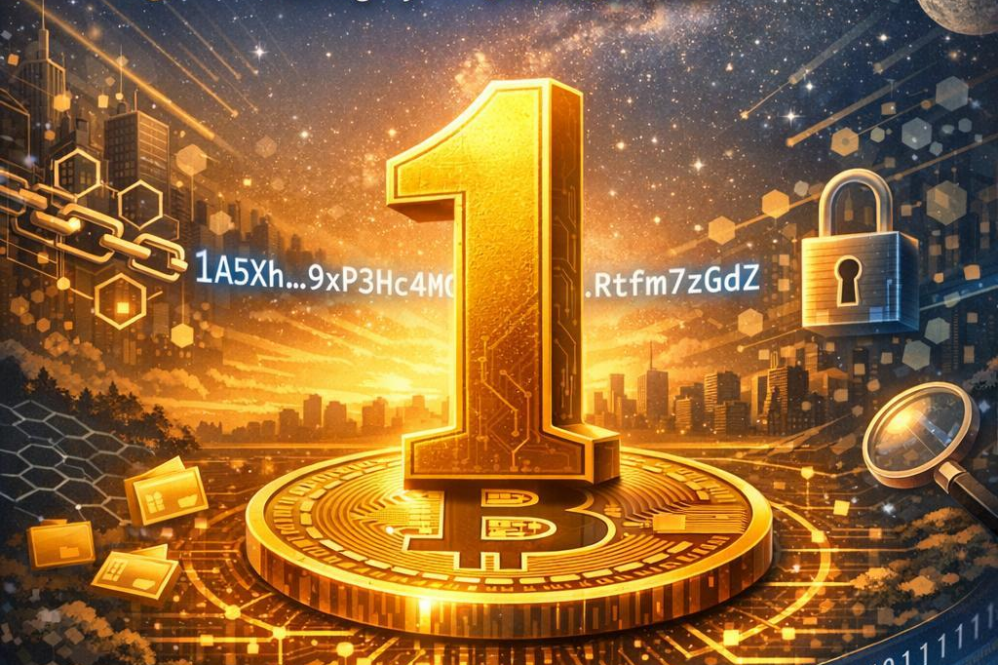
The legacy bitcoin addresses, identifiable by their initial ‘1’, are fundamentally different from newer formats in both structure and usage.These addresses are based on the Pay-to-Public-Key-Hash (P2PKH) scheme,which was the first widely adopted bitcoin address format. they represent a hash of the user’s public key and are encoded using Base58Check to ensure readability and error detection. This simplicity contributed to their longevity and trust across the bitcoin community,forming the backbone of early bitcoin transactions.
At the core of the legacy address’s functionality lies its capability to securely link bitcoin ownership with cryptographic keys. When bitcoins are sent to a legacy address, the bitcoin network validates ownership by requiring the spender to provide an elliptic curve digital signature derived from the corresponding private key. This process confirms control over the address without exposing sensitive key facts, thus maintaining transaction security and integrity - a hallmark of bitcoin’s decentralized trust model.
| Feature | Description | Impact |
|---|---|---|
| Address Prefix | Always starts with ‘1’ | Easy format recognition |
| Encoding | Base58Check | Reduced transcription errors |
| Signature Method | ECDSA | Strong cryptographic security |
| Compatibility | Supported by most wallets | Broad, reliable use |
Legacy addresses remain relevant despite the emergence of SegWit and Taproot formats due to their ubiquitous support across virtually all bitcoin wallets and services. However, they are somewhat less efficient in terms of transaction size and fees, a reason why many users gradually transition to newer address types. Nonetheless, understanding the legacy ‘1’ format is crucial for anyone delving into bitcoin’s history and fundamental operation principles.
Examining the Role of the P2PKH Format in bitcoin Transactions
The P2PKH (Pay-to-Public-Key-Hash) format, distinguished by the classic bitcoin addresses starting with the number “1”, plays a foundational role in the bitcoin network’s transaction mechanism. this format is the original address style introduced by bitcoin’s creator, Satoshi Nakamoto, and remains widely recognized for its simplicity and effectiveness in securely managing ownership of bitcoins. By embedding a hashed version of a public key in the address, P2PKH offers a secure link between a user’s public identity and their ability to authorize transactions.
When a bitcoin transaction is executed using a P2PKH address,the spender must produce a valid digital signature that matches the public key hash encoded in that address. This two-step verification ensures coins can only be spent by the rightful owner, enhancing the integrity of transactions. The address itself, typically 26-35 characters long, is designed for error detection via built-in checksum features, reducing transaction errors caused by mistyped addresses.
Key characteristics of the P2PKH format include:
- Addresses always begin with the digit “1”.
- Compatibility with nearly all bitcoin wallets and exchanges worldwide.
- Strong, proven cryptographic security through the use of hashed public keys.
- Simple structure that aids in easy verification of ownership during transactions.
| Attribute | P2PKH Detail |
|---|---|
| Address Prefix | 1 |
| Length | 26-35 characters |
| Security | Public Key Hash + Checksum |
| Compatibility | Widely supported |
Security Implications and Vulnerabilities of Legacy Address Usage
Legacy bitcoin addresses, recognizable by their initial “1”, are inherently linked to the Pay-to-Pubkey-Hash (P2PKH) transaction type. While they were pioneering in bitcoin’s early transaction framework, their architecture exposes certain vulnerabilities when compared to more modern formats. One primary concern is the larger transaction size associated with these addresses.The scriptSig used for legacy spends is more data-heavy, which not only increases transaction fees but also propagates slower synchronization times across the network. This has potential implications for users who depend on fast and cost-efficient transactions.
Security-wise, legacy addresses rely on older cryptographic standards that lack some of the enhanced protections found in Segregated Witness (SegWit) addresses. For instance, legacy transactions do not benefit from the malleability fixes introduced in SegWit, making them susceptible to transaction ID manipulation. This can create confusion in transaction tracking and pose risks for complex multi-signature setups and Lightning network interactions. Moreover, wallets that still support legacy formats might not employ the latest security patches, leaving them more exposed to threats such as replay attacks or double-spending.
| Legacy Address Concern | Impact | Modern Alternative |
|---|---|---|
| Increased Transaction Size | Higher fees, slower confirmations | SegWit (Bech32) addresses |
| Transaction Malleability | potential TXID manipulation | SegWit’s TXID protection |
| Backward Compatibility | Limited feature support | P2SH-P2WPKH nested addresses |
Despite these limitations, legacy address usage remains widespread due to the extensive compatibility with older wallets and services. However, users and developers are encouraged to transition towards SegWit and native Bech32 formats to mitigate security risks and improve efficiency. The evolution of bitcoin address standards reflects an ongoing commitment to enhancing privacy, scalability, and security within the ecosystem.
Comparative Analysis of Legacy Addresses versus Modern Alternatives
Legacy bitcoin addresses beginning with the prefix ‘1’, known as Pay-to-Public-Key-Hash (P2PKH) addresses, have long been the backbone of bitcoin transactions. These addresses are notable for their straightforward design and widespread early adoption, ensuring compatibility across nearly all wallets and exchanges. Though,while their simplicity ensures maximum interoperability,they are less efficient in terms of space and security features compared to more recent address formats.
the evolution toward modern alternatives such as P2SH (“3” prefix) and Bech32 (“bc1” prefix) addresses introduces several advancements that legacy addresses lack.These newer formats enable features like Segregated Witness (SegWit), which significantly reduces transaction size and fees. Additionally, enhanced error detection in Bech32 addresses reduces the risk of mistyped characters during transactions, compared to the base58-check encoding used by legacy addresses.
| Feature | Legacy ‘1’ (P2PKH) | Modern Alternatives (P2SH & Bech32) |
|---|---|---|
| Prefix | 1 | 3 (P2SH),bc1 (Bech32) |
| Transaction Size | Higher | Lower (due to SegWit) |
| Compatibility | Universal | Mostly modern wallets |
| Fee Efficiency | Less efficient | more efficient |
| Error Detection | Basic (Base58Check) | Advanced (Bech32) |
- Legacy ‘1’ addresses: Maximum compatibility but higher cost and larger size.
- Modern addresses: Lower fees, faster transactions, and enhanced error protection.
- Choosing the right address: Depends on wallet support and transaction efficiency preferences.
Best Practices for Managing and Using P2PKH Addresses Safely
When working with P2PKH addresses, security must be paramount, as these legacy addresses directly link to your bitcoin holdings. Always use a reputable wallet that supports robust encryption and backup features. Avoid exposing your private keys or seed phrases online, and refrain from reusing addresses to minimize tracking risks. Staying updated with your wallet software ensures you benefit from patches that close vulnerabilities related to P2PKH transactions.
It’s also critical to verify addresses before sending funds. As P2PKH addresses begin with the numeral “1,” this makes them uniquely identifiable, but be cautious of phishing attempts where malicious actors create similar-looking addresses. Implement a double-check routine-either manually or via trusted software-to confirm that the destination address exactly matches the intended recipient’s. For high-value transfers, consider small test transactions first to mitigate potential losses.
| Best Practice | Benefit | tip |
|---|---|---|
| Use hardware Wallets | Enhances security by keeping keys offline | Pair with trusted software wallets |
| Regularly Backup Private Keys | Prevents loss due to device failure | store backups in multiple secure locations |
| Enable two-Factor Authentication | Adds additional protection layer | Use authenticator apps, not SMS |
Lastly, maintain awareness of transaction fees and network congestion. P2PKH transactions can sometimes be less efficient in terms of size and fees compared to newer address formats. Optimizing your transaction timings and understanding fee structures can help you avoid excessive costs and delays. monitoring mempool status periodically gives you an edge in managing when to broadcast transactions for faster confirmations and minimal expense.
Recommendations for Transitioning from Legacy Addresses to SegWit Formats
Transitioning from legacy bitcoin addresses to SegWit formats demands a thorough understanding of the benefits and technical nuances involved. Users should first ensure their wallets support SegWit, as older software versions might not recognize native SegWit addresses. Prioritizing wallets with native SegWit (bech32) compatibility allows enhanced transaction efficiency, reduced fees, and improved network security.
Before initiating any migrations, it is vital to back up existing private keys and seed phrases securely. Moving funds to a SegWit address involves generating new receiving addresses and transferring coins, which can be done incrementally to minimize risk.Consider using batch transactions where possible, as consolidating smaller inputs reduces network load and costs. Additionally,ensure all counterparties and services involved in your transactions support SegWit to avoid unexpected compatibility issues.
For clarity, below is a concise comparison of legacy versus SegWit address formats to guide transition efforts:
| Feature | Legacy (P2PKH) | SegWit (Bech32) |
|---|---|---|
| address Prefix | 1 | bc1 |
| Transaction Fee | higher | Lower |
| Block Weight Efficiency | Standard | Improved |
| Compatibility | Universal | mostly modern Wallets |