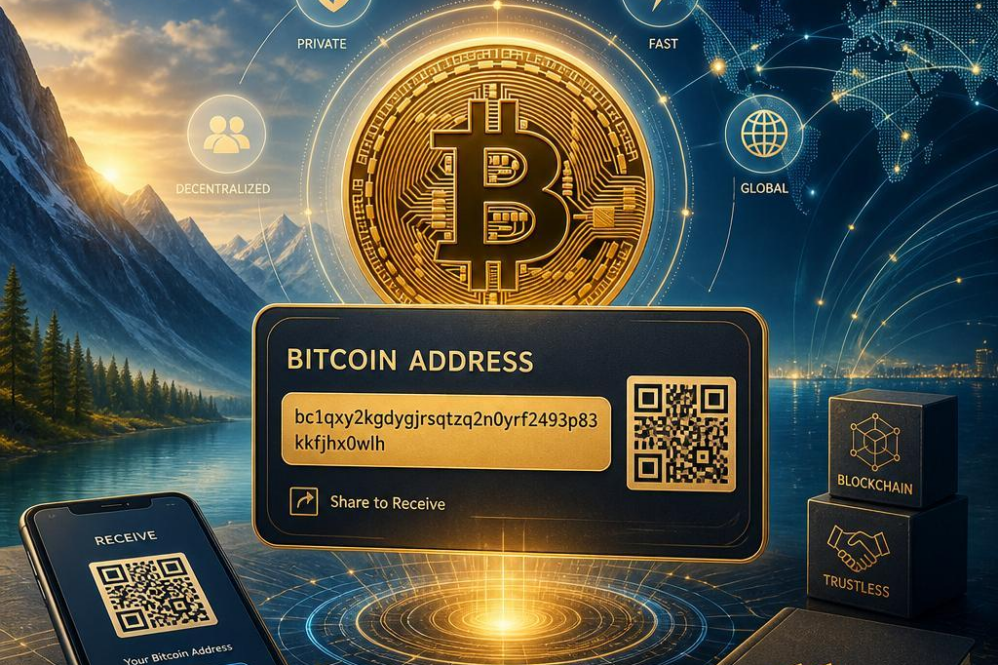
The Anatomy of a bitcoin Address Explained
A bitcoin address is an essential component of the cryptocurrency world, acting as the digital destination where funds are sent and received.Similar to how a physical mailbox is specific to your home, a bitcoin address is unique to each user, ensuring secure and private transactions. This alphanumeric identifier, which could start with a ‘1’ or a ‘3′, depending on the type of address it is, is derived from the user’s public key through a process that involves cryptographic hashing and encoding steps.
The anatomy of a bitcoin address is layered and intricate. First, there’s the public key, a string of letters and numbers that is derived from your private key-the secret key which should be safeguarded like a password. When a user wants to receive bitcoins, their public key is run through a mathematical algorithm to generate the address. This hash function ensures the address is shorter and easier to transmit than the public key itself. The resulting bitcoin address is what others see when sending funds to you. As an example, if you’re a user named Alex, your bitcoin address might be something like 1A1zP1eP5QGefi2DMPTfTL5SLmv7DivfNa, which is a unique identifier for your wallet.
To further secure the process, a checksum is added to the address. This checksum is a validation code that ensures the integrity of the address.When a bitcoin address is entered, the checksum works to verify its legitimacy and detect any errors, such as a mistyped character or a typo.This is crucial because it prevents the unintentional sending of funds to an incorrect address. While generating an address, a version number is used to determine whether the address is a P2PKH (Pay-to-PubKey-Hash) or a P2SH (Pay-to-Script-Hash) address, signifying its compatibility with different types of transactions.Here’s a quick table to illustrate:
| Address Type | Version Number | Feature |
|---|---|---|
| P2PKH | 0x00 | Used for traditional bitcoin transactions |
| P2SH | 0x05 | Supports advanced features and smart contracts |
Ensuring Security Through Unique bitcoin Address Usage
Cryptocurrency security hinges substantially on the unique use of bitcoin addresses. Each bitcoin address is like a digital mail box designed specifically for you to receive funds. Much like the randomness and uniqueness of a street address for a physical home, these addresses ensure that no two transactions get mixed up or misdelivered.When you generate a new address for each transaction, you’re not only protecting your privacy but also making it much harder for potential attackers to track your financial dealings.
Using unique addresses protects against common pitfalls such as phishing scams or accidental sharing of an address, which can lead to your funds being compromised. Once you’ve shared your bitcoin address, even inadvertently, you run the risk of it being used in multiple transactions, making it easier for others to see the sum total of your wealth. This revelation can possibly put you at risk if anyone decides to target your address specifically. By sticking to a policy of unique addresses, you substantially reduce the exposure of your transaction history to prying eyes.
To illustrate the importance of using unique addresses, consider a simple scenario where you receive multiple payments to the same address. Suppose you operate an online store and accept bitcoin for your products. Over time, this could leave you vulnerable. Scammers might impersonate your customers and send fake bitcoin to your address, attempting to trace your activity to launch more complex attacks. Even without malicious intent, a shared address means anyone can potentially learn the extent of your interactions and your financial habits.Using unique addresses safeguards this details by compartmentalizing each transaction. Just remember: the rule of thumb is to generate a fresh address for every new transaction. This simple yet crucial measure can be the difference between safeguarding your funds and falling prey to common cryptocurrency scams.
Best Practices for Managing Multiple bitcoin Addresses
When dealing with multiple bitcoin addresses, it’s vital to maintain a clean and organized record. This ensures that you can track transactions easily and prevent any mix-ups that could lead to losing funds. One effective method is to categorize your addresses by their purpose. Such as, you might have a separate group for cold storage addresses, another for daily spending, and yet another for invoicing or receiving payments from clients.
Regularly updating your address management system is another best practice. It’s not just about making sure your transaction records are current but also about security. Reviewing your addresses allows you to verify that no unauthorized access has occurred. If you notice any unusual activity in any of your addresses, it’s crucial to act quickly, potentially involving a backup wallet or emergency recovery process. This proactive approach can save you from potential headaches and financial losses.
For convenience, some users prefer to use address generation tools that can create a large number of addresses upfront. However, be cautious when using such tools and ensure you securely back up the addresses and their encryption keys. A simple table can help organize new addresses along with relevant details like creation date, encryption typeand purpose, making them easy to track. Keeping a meticulous record of all bitcoin addresses, especially in a multi-address setup, is the cornerstone of triumphant cryptocurrency management.
Understanding Transaction Privacy With bitcoin Addresses
Transaction privacy in the bitcoin network heavily relies on the use of unique address identifiers. Each time you receive or send bitcoin, your wallet generates a new address. This feature helps keep your transaction details private by dissociating your activity from your personal identity. Each new address becomes a fresh starting point for each transaction, effectively acting as a digital alias. By creating a new address for every bitcoin movement,you limit the visibility of your overall financial activity to just those who you directly transact with.
To understand how bitcoin addresses enhance privacy, consider their role in breaking the link between a user’s identity and their transactions. For instance, if you use the same address repeatedly, anyone who knows your address can trace all your transactions on the blockchain. This poses a risk to your financial privacy. Though, with the creation of new addresses for each transaction, it becomes virtually impossible to link all your transactions to a single identity or activity pattern.
Below is a simple comparison to illustrate the value of using unique addresses in relation to transaction privacy. Using a single address repeatedly is akin to signing all your emails with identical signatures, which could reveal patterns over time. Conversely, switching to new addresses for each transaction is similar to changing your online handle with every forum post, making it harder to track your participation patterns.
| Single Address Usage | Multiple Address Usage |
|---|---|
| Reveals transaction history | Breaks transaction pattern |
| Less privacy | Enhanced privacy |