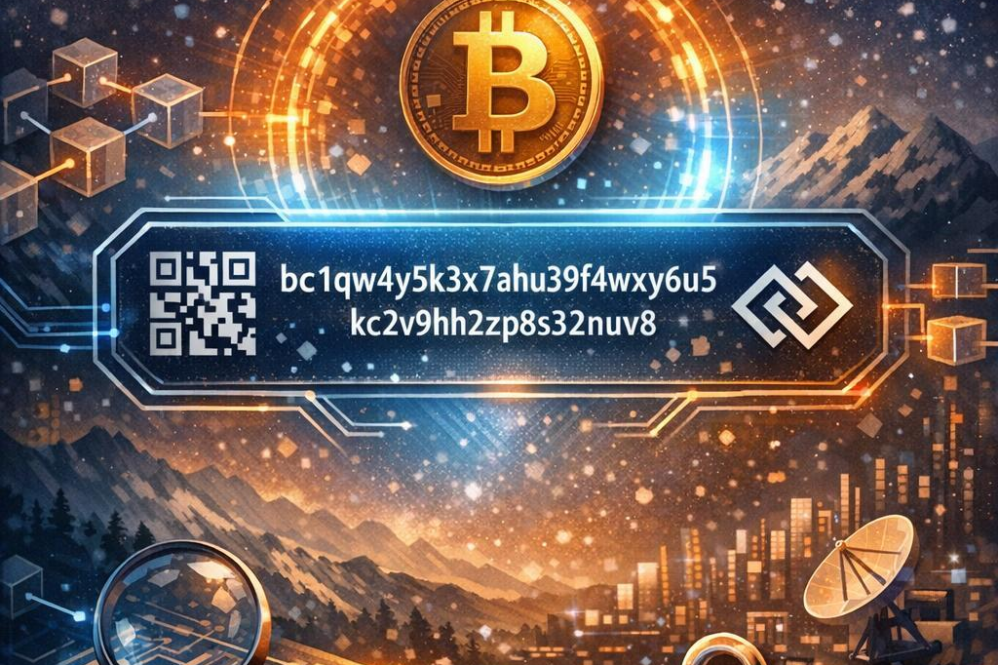
Understanding the Structure of bitcoin addresses and Their evolution
bitcoin addresses are basic to the cryptocurrency ecosystem, serving as the destination for transactions and a means to identify ownership of funds.Over the years, these addresses have evolved to enhance usability, security, and efficiency. The Bech32 SegWit format represents a meaningful shift from earlier address constructions such as Legacy (P2PKH) and Pay-to-Script-Hash (P2SH) formats, optimizing transaction costs and reducing the likelihood of human error during address entry.
Key advantages of Bech32 addresses include:
- Improved error detection: The format incorporates a checksum that detects up to four errors, making mistyped addresses easier to identify and correct.
- Lower transaction fees: Bech32 is designed exclusively for SegWit (Segregated Witness) transactions, which reduce the size of transaction data and thus lower transaction fees.
- Enhanced readability: The use of lowercase letters without ambiguous characters improves clarity and reduces confusion during manual entry.
| Address Type | Prefix | Typical Use Case | Benefits |
|---|---|---|---|
| Legacy (P2PKH) | 1… | original bitcoin addresses | Broad compatibility, but higher fees |
| P2SH | 3… | multi-signature & script-based wallets | Increased functionality, moderate fees |
| Bech32 (SegWit) | bc1… | Modern wallets supporting SegWit | Lower fees, better error detection |
Decoding the Bech32 SegWit Format and Its Technical Advantages
Bech32 is a modern encoding scheme designed specifically for segregated Witness (SegWit) bitcoin addresses, improving on older formats by enhancing readability, error detection, and efficiency. Unlike legacy address formats that use base58, Bech32 utilizes an alphanumeric set that avoids visually ambiguous characters, vastly reducing the risk of transcription errors. This encoding supports a human-amiable structure with a separator character (‘1’) that clearly delineates the human-readable part from the data payload, facilitating easier integration and presentation across software wallets and exchanges.
The technical innovation behind this format lies in its checksum algorithm, which is stronger than previous methods, enabling the detection of up to four errors in an address and the correction of one. This makes Bech32 addresses more resilient to common input mistakes during transactions. Furthermore,the format’s use of a case-insensitive character set enhances user experience across varied platforms,while the SegWit-specific encoding dramatically reduces transaction sizes,resulting in lower fees and faster confirmations on the bitcoin network.
Below is a breakdown of key advantages that differentiate Bech32 from other address formats:
- Improved Error Detection: Robust checksum detects errors more effectively, reducing failed transactions.
- lower Transaction Fees: SegWit encoding reduces data size, optimizing blockchain storage and costs.
- User-Friendly Design: Avoids confusing characters and supports case insensitivity for easier use.
- Future-Proof Compatibility: Designed for seamless adoption as bitcoin protocols evolve.
| Feature | Bech32 Format | Legacy Base58 Format |
|---|---|---|
| Character Set | Alphanumeric, no visually similar chars | Includes similar looking chars, prone to errors |
| Checksum Strength | detects up to 4 errors, 1 correction | Detects fewer errors |
| Transaction Size | Smaller, optimized for SegWit | Larger, legacy transaction size |
| Fee Efficiency | Lower fees due to compact structure | higher fees due to larger data |
Comparing Bech32 with Legacy and P2SH Address formats
bitcoin address formats have evolved to optimize transaction efficiency and security. The legacy format, known as P2PKH (Pay-to-PubKey-Hash), begins with a “1” and has been the standard as bitcoin’s inception. This format is widely supported but tends to generate larger transaction sizes, impacting fees. The P2SH (Pay-to-Script-Hash) format, starting with a “3”, introduced flexibility by enabling multi-signature and other advanced scripts, helping reduce complexity in some transactions while still maintaining compatibility with legacy wallets.
The Bech32 format, used primarily with Segregated Witness (SegWit), starts with “bc1” and represents a significant leap forward. It offers a cleaner, more error-resistant encoding method by excluding similar-looking characters, reducing the risk of transcription errors. Bech32 addresses also allow for smaller transaction sizes, translating directly into lower fees and increased network efficiency. This format supports native SegWit implementations,optimizing how witness data is stored and validated within the blockchain.
| Feature | legacy (P2PKH) | P2SH | Bech32 (SegWit) |
|---|---|---|---|
| Prefix | 1 | 3 | bc1 |
| Transaction Size | Largest | Moderate | Smallest |
| Checksum | Base58Check | Base58Check | Bech32 checksum |
| Compatibility | Worldwide | Wide | increasingly supported |
| Error Resistance | Low | Low | High |
- Legacy addresses remain relevant due to their broad compatibility but suffer from inefficiency.
- P2SH formats introduce scripting versatility while maintaining a reasonable footprint.
- Bech32 addresses stand out for their advanced error detection and cost-effective transactions,marking the future of bitcoin addressing.
Security Enhancements and Error Detection in Bech32 addresses
Bech32 addresses introduce a robust error detection mechanism that significantly reduces the chance of users sending funds to incorrect addresses—a common risk in cryptocurrency transactions. Unlike legacy address formats, Bech32 employs a specialized checksum optimized to detect not only common typographical errors but also character substitutions and transpositions. this heightened level of error checking helps prevent irreversible transaction mistakes, adding an essential layer of security across wallets and exchanges supporting this format.
One of the key innovations lies in the design of the checksum itself. Bech32 divides the address into segments and generates a polymod checksum that can detect up to four errors within an address string. The encoding excludes visually ambiguous characters like zero ‘0’ and uppercase ‘O’ to minimize misinterpretation. This design choice improves human readability and ensures that even when users manually input or verify addresses,the risk of errors is dramatically reduced compared to Base58 formats.
| Error Type | Detection in Bech32 | Impact on Security |
|---|---|---|
| Single-character substitution | Detected | Prevents sending funds to mistyped addresses |
| Character transposition | Detected | Reduces accidental swaps in address characters |
| Multiple-character errors | Partially detected | Still provides strong protections against common mistakes |
Furthermore, the all-lowercase format of Bech32 addresses improves consistency and compatibility without sacrificing security. Combined with its checksum strength, this results in a more reliable user experience for both software and manual interactions.Collectively, these enhancements empower the bitcoin ecosystem with heightened address integrity, reducing fraudulent and erroneous transactions as SegWit adoption grows worldwide.
Practical Guidelines for Using Bech32 SegWit Addresses Safely
When handling Bech32 SegWit addresses, the first and foremost rule is to always double-check the address before making any transactions. Bech32 addresses begin with “bc1” and contain only lowercase letters, which helps reduce errors during manual entry or copying. Many wallets now support automatic QR scanning and address validation to minimize mistakes, but a manual confirmation remains crucial, especially when sending significant amounts of bitcoin.
Security practices also emphasize the importance of using wallets and services that are fully compatible with Bech32 SegWit addresses. Some legacy wallets might not recognize them correctly or could display them in a way that invites user error. To avoid the risk:
- Verify that your wallet explicitly lists Bech32 SegWit support in its features.
- Update your wallet software regularly to maintain compatibility and security patches.
- Avoid mixing address types carelessly; keep a clear record of receiving and change addresses to prevent confusion.
Lastly, monitoring transaction fees when using Bech32 addresses is vital. Due to their efficiency,SegWit transactions typically incur lower fees and faster confirmations. Below is a quick comparative overview:
| Address Type | Typical Fee Rate (sats/vByte) | Confirmation Speed |
|---|---|---|
| Legacy | 50-70 | Standard |
| P2SH SegWit | 30-50 | Faster |
| Bech32 SegWit | 10-30 | Fastest |
By embracing these guidelines, users ensure their bitcoin transactions are not only safer but also cost-effective and aligned with the latest standards in blockchain technology.
Future Implications of Bech32 Adoption in bitcoin transactions
As Bech32 continues to gain traction within the bitcoin ecosystem, its adoption is poised to transform how transactions are processed and verified. One of the most significant future implications lies in increased network efficiency. Thanks to the native SegWit format, transactions using Bech32 addresses typically demand less block space, enabling faster confirmation times and reduced transaction fees.This enhanced throughput capability not only supports a scalable network but also encourages broader user adoption by making bitcoin more accessible and cost-effective for everyday usage.
security enhancements are another critical outcome of widespread Bech32 adoption. The design of Bech32 addresses incorporates robust error detection and minimization of human transcription errors through its distinctive checksum mechanism. This inherently reduces the risk of sending funds to incorrect addresses—a common pitfall in legacy address formats. Moreover, the simpler and clearer address structure facilitates easier integration with wallets and other bitcoin infrastructure, which can bolster overall ecosystem reliability and user confidence.
| Feature | Legacy Addresses | Bech32 Addresses |
|---|---|---|
| Transaction Size | Higher | Lower |
| Error Detection | basic | Advanced |
| Fee Efficiency | Standard | Improved |
| User Experience | Challenging | Streamlined |
Looking beyond the immediate technical benefits, Bech32 adoption could also influence regulatory and compliance frameworks. As the bitcoin network continues evolving, standards that promote transparent yet secure transaction methods will likely become mandatory. Bech32’s clarity and compatibility with advanced features such as Taproot can aid in creating more easily auditable transactions, fostering a compliant surroundings that maintains user privacy while satisfying regulatory requirements. This alignment could further propel bitcoin’s legitimacy as a global financial system.